
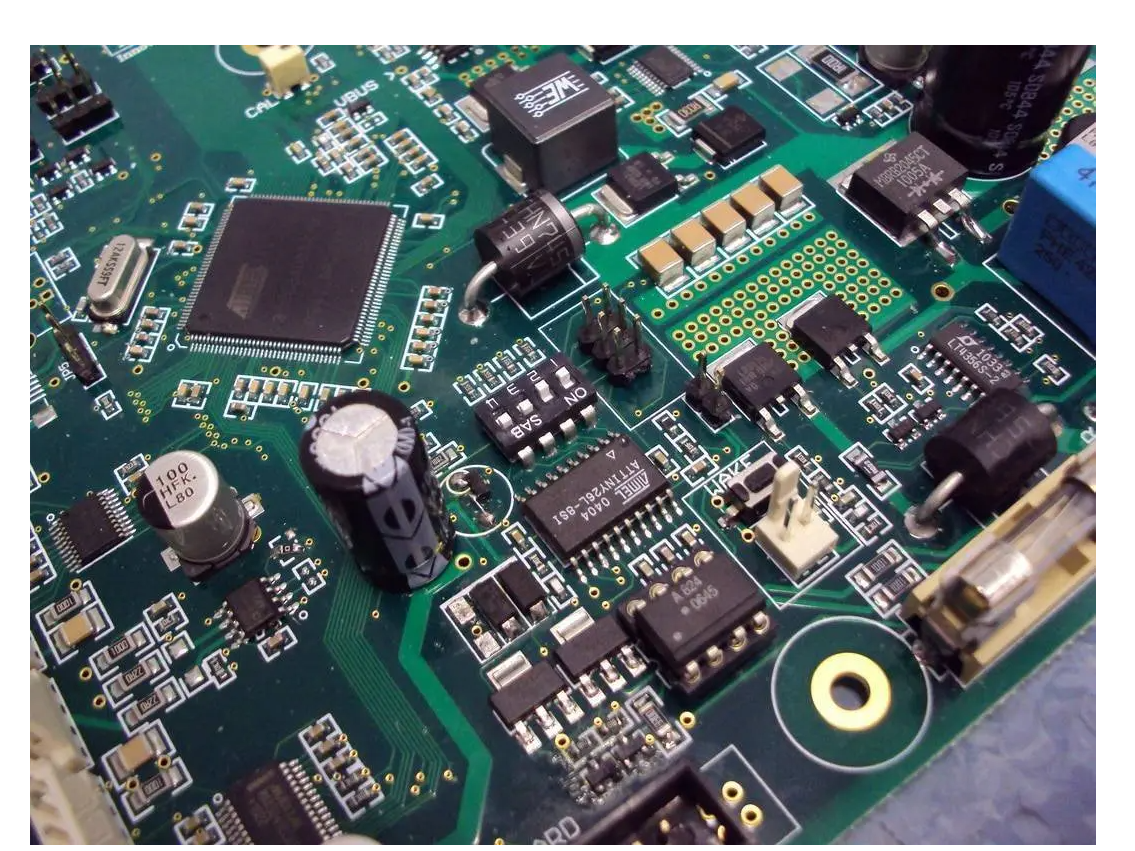
05-06 | KingshengPCBA
Shenzhen Kingsheng PCBA draws on 10 years of experience in Class II medical device PCB services to present this pitfall guide — helping manufacturers avoid 90% of common issues.
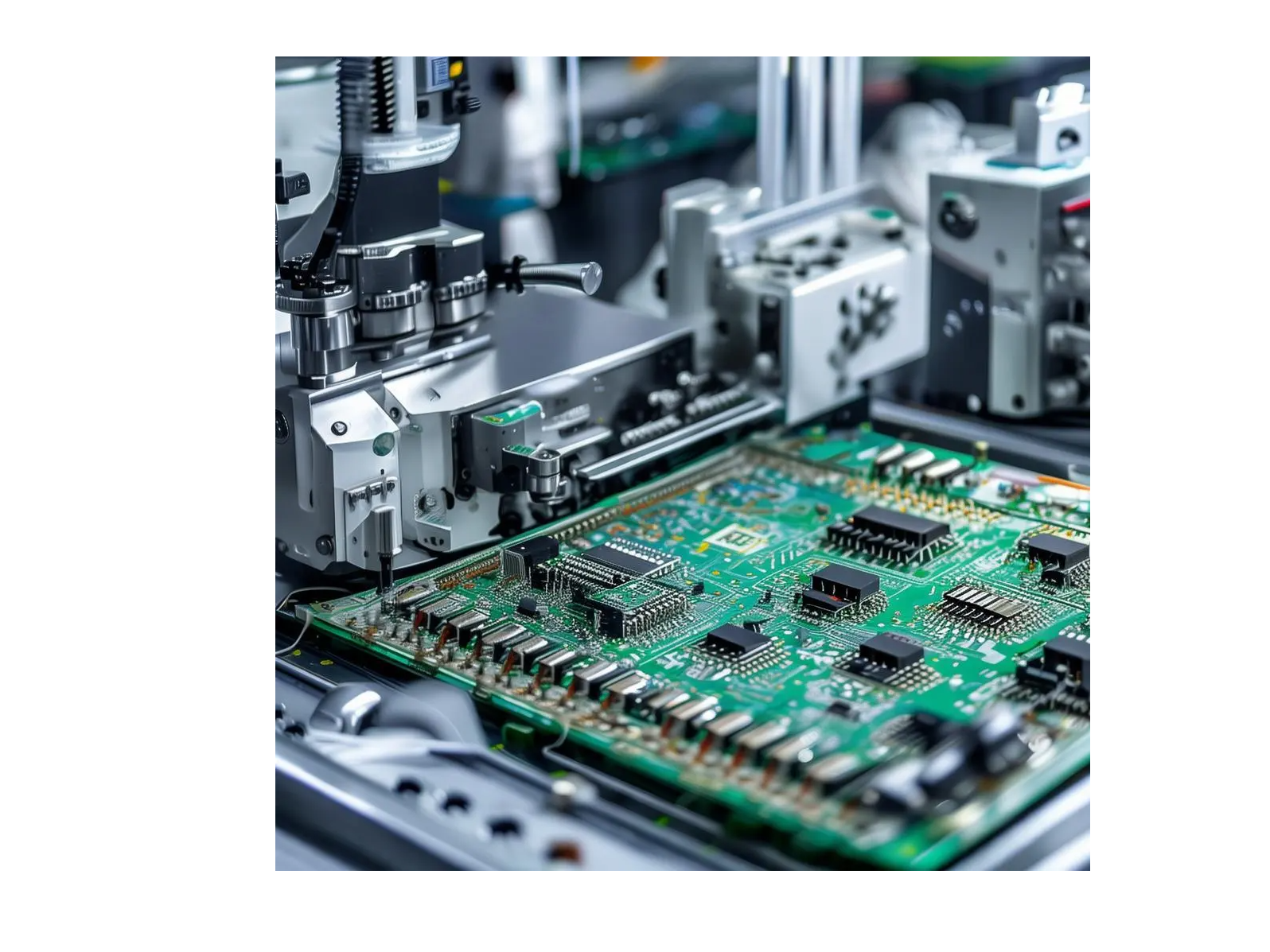
05-06 | KingshengPCBA
A Third-Party Technical Perspective on Core Requirements for Automotive-Grade Manufacturing.
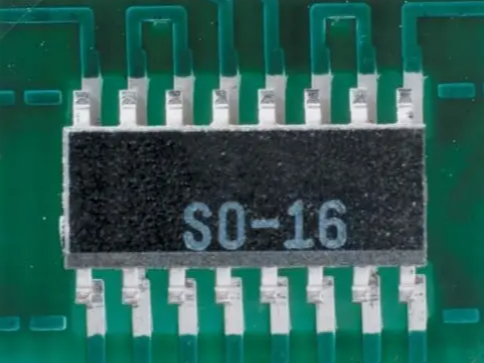
05-06 | KingshengPCBA
Component shift stems from multi-factor SMT issues; prevention via process/equipment/material control is key
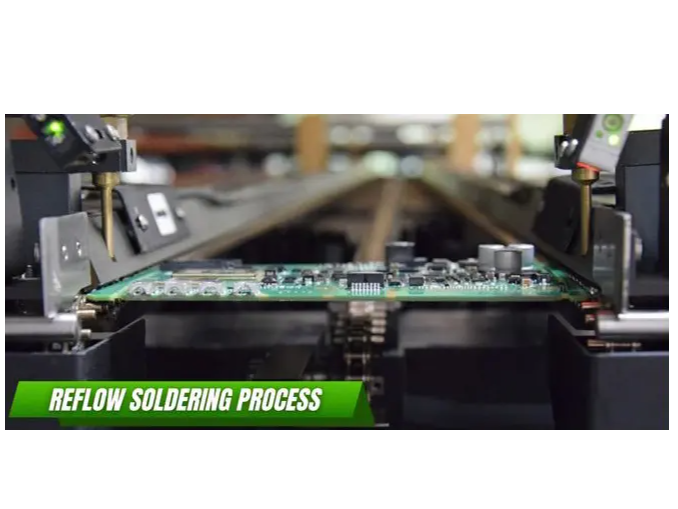
05-06 | KingshengPCBA
Reflow temp curve optimization boosts yield & reliability; verify per shift
05-06 | KingshengPCBA
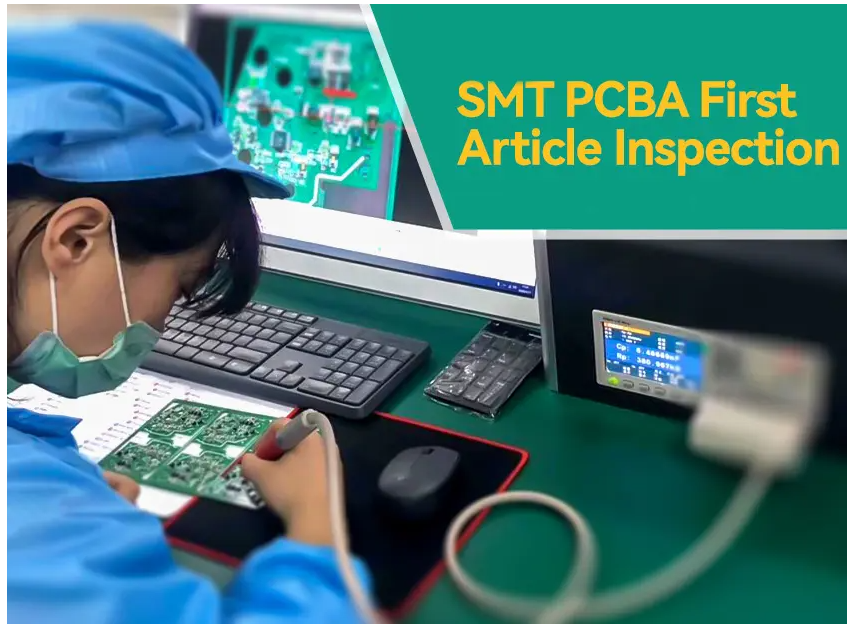
FAI ensures SMT quality via standardized, intelligent, traceable systems
05-06 | KingshengPCBA
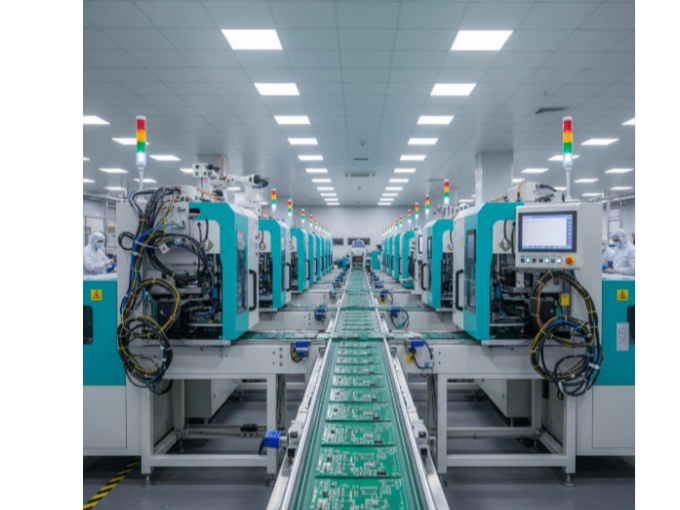
Key challenges of ultra-thin PCBs (≤0.5mm) include manufacturing complexities, yield drops to 70-85%, and the need for specialized materials/processes, making partner selection critical for reliability in wearables and medical devices
05-05 | KingshengPCBA
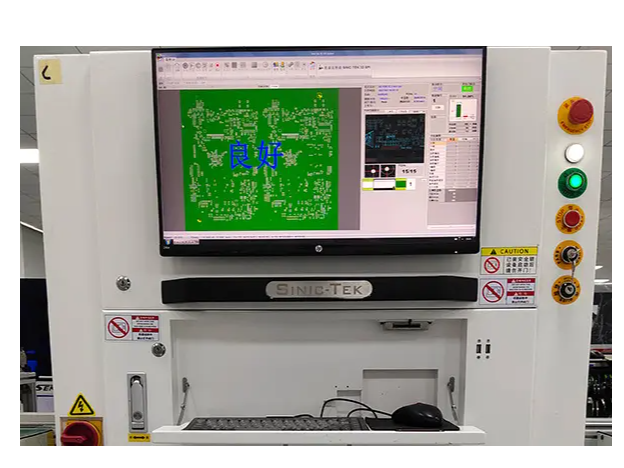
AOI uses high-resolution cameras to capture images of the circuit board and compares them against a golden template to identify various appearance and soldering defects. Below are the main defect categories detectable by AOI.
05-05 | KingshengPCBA
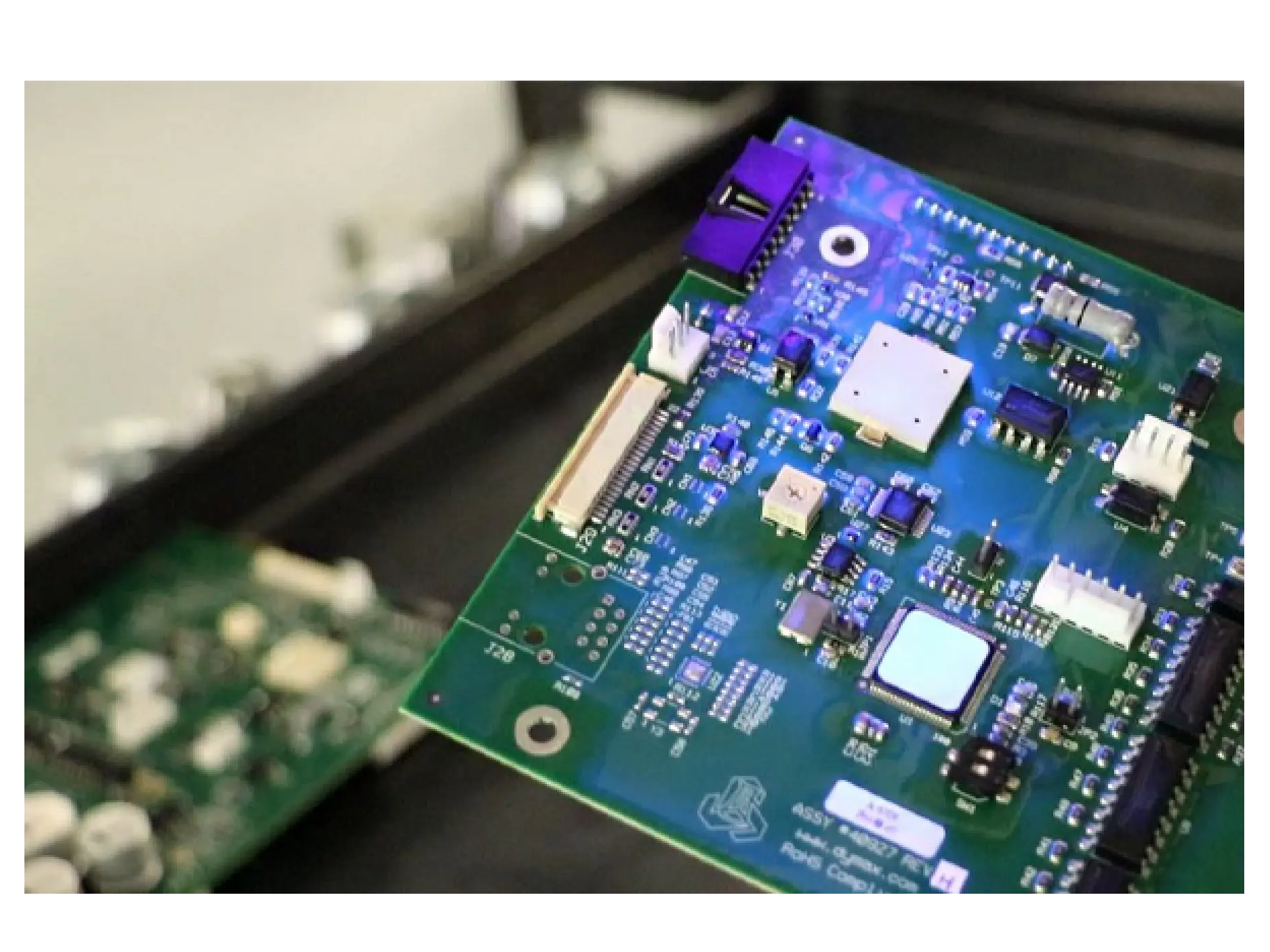
This article compares spray, dip, and brush coating methods from four perspectives: operating principles, process advantages, limitations, and selection recommendations.
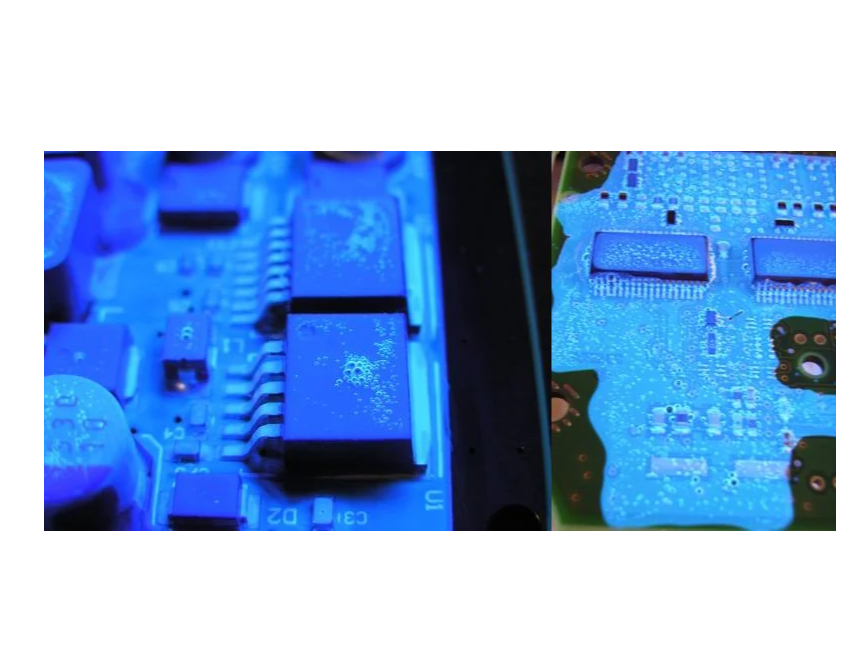
05-05 | KingshengPCBA
Bubbles can lead to reduced insulation performance, while capillary action may contaminate connectors, switches, or test points. The following methods address these issues from two perspectives: process control and material selection.
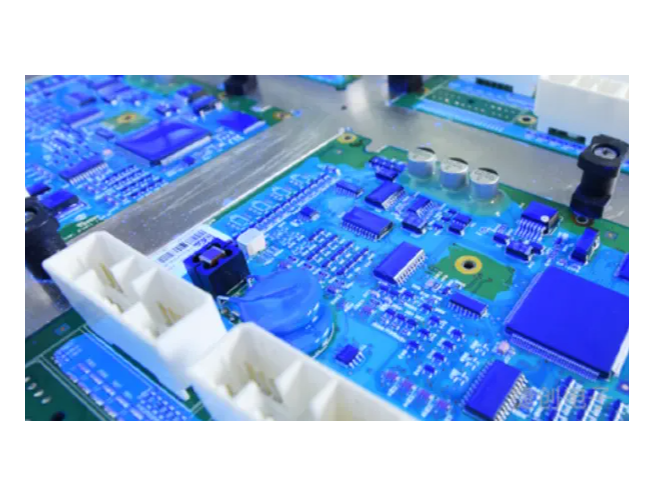
05-05 | KingshengPCBA
During PCBA processing, conformal coating is used to protect circuit boards from moisture, dust, and chemical contaminants.
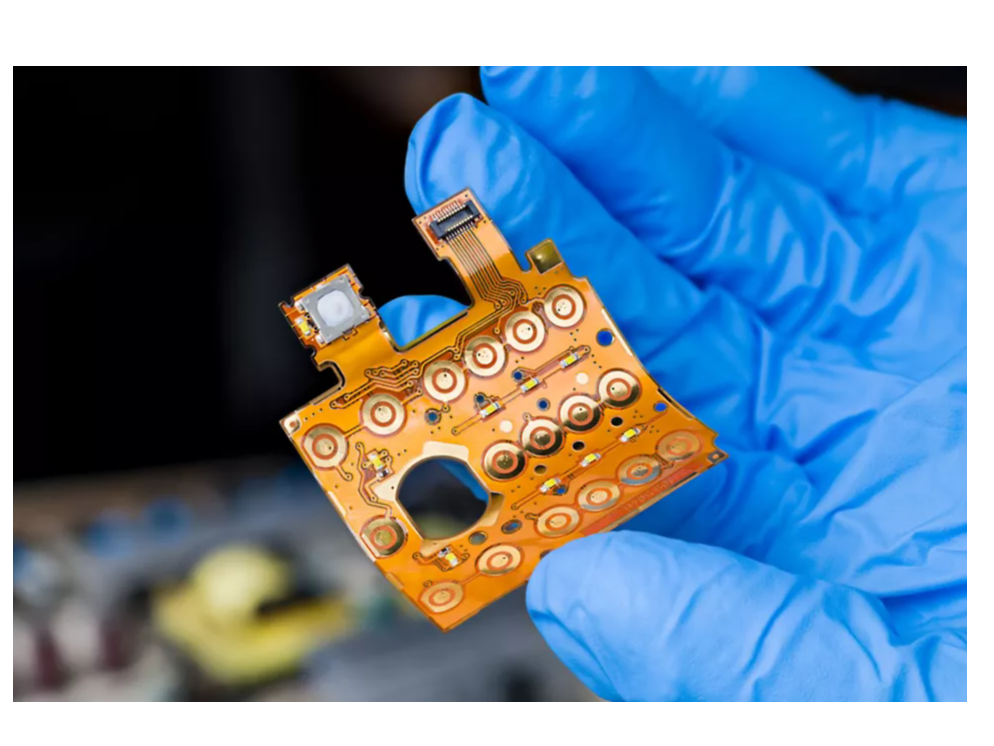
05-05 | KingshengPCBA
This article analyzes the specific impacts of four common PCB substrate materials on assembly from a production perspective.
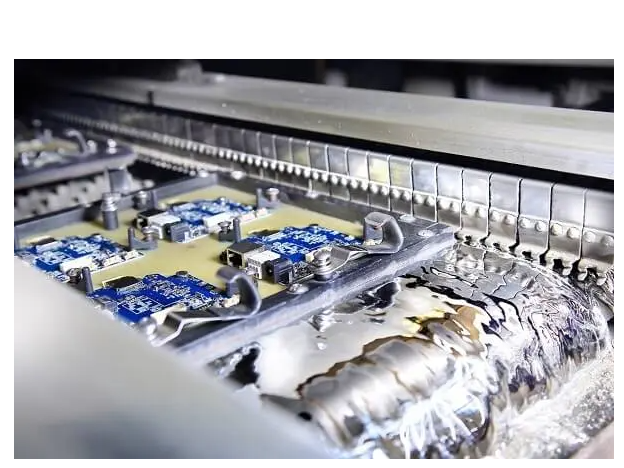
04-29 | KingshengPCBA
Wave soldering bridging and icicles require six-factor integration: flux, temperature, angle, wave, pads, and solder.

We would also like to thank our customers for their trust and support. The company's outstanding achievements are mainly due to the loyalty of our customers, which also encourages and spurs our company to forge ahead.