* On your first PCB Assembly order!
* Up to $300 discount
 C - A L L E Y
 Home | Events | PCB | About Us | News | Contact Us
Class II medical devices (e.g., blood glucose meters, ECG monitors, ultrasound probes) rely on PCBs that directly impact device accuracy and patient safety. Any oversight during prototyping or small-batch production can lead to costly rework in mass production or even compliance failures. As a one-stop manufacturer specializing in medical & industrial PCB/PCBA, Shenzhen Kingsheng PCBA draws on 10 years of experience in Class II medical device PCB services to present this pitfall guide — helping manufacturers avoid 90% of common issues.
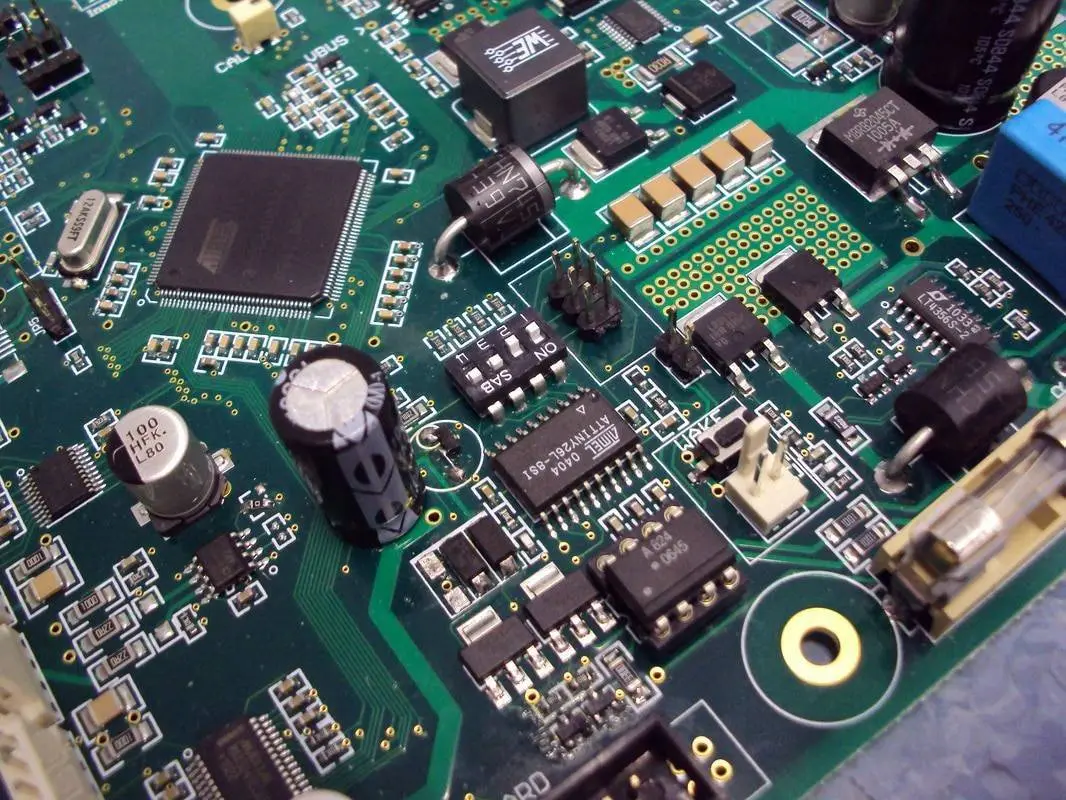
I. First, Avoid These 3 Core Risk Zones: Many Manufacturers Fail at These Fundamentals
Risk Zone 1: Ignoring the Exclusive Compliance Requirements for Class II Medical Devices
Conventional consumer electronics PCB prototyping often focuses only on dimensions and performance. However, Class II medical device PCBs must meet three core standards: ISO13485 (medical quality management system), biocompatibility, and electromagnetic compatibility (EMC). Many manufacturers opt for general PCB vendors to save time, only to find their prototypes fail compliance testing — wasting both time and cost with no path to the next stage.
Risk Zone 2: Inconsistent Processes Between Prototyping and Small-Batch Production
The most common failure during small-batch production is "prototype passes, production fails" — for example, using high-precision solder mask during prototyping but switching to a lower-cost process during production to cut expenses, leading to reduced thermal resistance and insulation performance. Another example: strict component procurement during prototyping, but mixing substandard parts during small-batch runs. Such cost-cutting shortcuts not only compromise product stability but also introduce medical safety risks.
Risk Zone 3: Disconnect Between Delivery Lead Time and Quality Control
Class II medical device R&D timelines are often tight. Many manufacturers push for "rush prototyping" while overlooking quality control measures — for instance, demanding 24-hour expedited delivery. To meet the deadline, some PCB vendors skip AOI and X-Ray inspection, resulting in hidden defects such as circuit shorts or cold solder joints. These issues only surface during later assembly, severely delaying the entire project.
II. 4 Key Control Points: Choose the Right Vendor + Collaborate Effectively for First-Pass Success from Prototype to Production
1. Prioritize Vendors with Proven Experience in Class II Medical Device PCB Services
Not every PCB manufacturer can handle Class II medical device orders. You must verify that the vendor holds an ISO13485 certificate and has documented case histories with similar products (e.g., blood glucose meter PCBs, monitor PCBAs). Shenzhen Kingsheng PCBA has 10 years of deep experience in medical PCBs — from prototyping to small-batch production, every step follows medical-grade standards. All products undergo third-party compliance testing and are delivered with complete test reports.
2. Define Technical Specifications Before Prototyping to Avoid Communication Gaps
Class II medical device PCBs have extremely high technical requirements. Before prototyping, clearly communicate the following parameters to your vendor:
Please send Email to kspcba@c-alley.com or call us through +86 13828766801 Or submit your inquiry by online form. Please fill out below form and attach your manufacturing files( PCB Gerber files and BOM List) if need quotation. We will contact you shortly.
 +86 13828766801
 kspcba@c-alley.com
 https://www.kingshengpcba.com/
 2/F, Building 6, Tangtou 3rd Industrial Zone, Tangtou Community, Shiyan Town, Baoan District, Shenzhen, China, 518108
We would also like to thank our customers for their trust and support. The company's outstanding achievements are mainly due to the loyalty of our customers, which also encourages and spurs our company to forge ahead.