* On your first PCB Assembly order!
* Up to $300 discount
 C - A L L E Y
 Home | Events | PCB | About Us | News | Contact Us
In PCBA (Printed Circuit Board Assembly) processing, PCB (Printed Circuit Board) baking is an easily overlooked yet critical step. PCB substrates (such as FR4) are hygroscopic, and will absorb moisture from the air when stored in humid environments. If a moisture-laden PCB undergoes reflow soldering, water vapor will expand sharply under high temperatures, potentially causing PCB delamination, blistering, deformation, and in severe cases, solder pad detachment and component cold soldering. Today, C-alleywill explain in detail the standards and requirements for PCB baking.
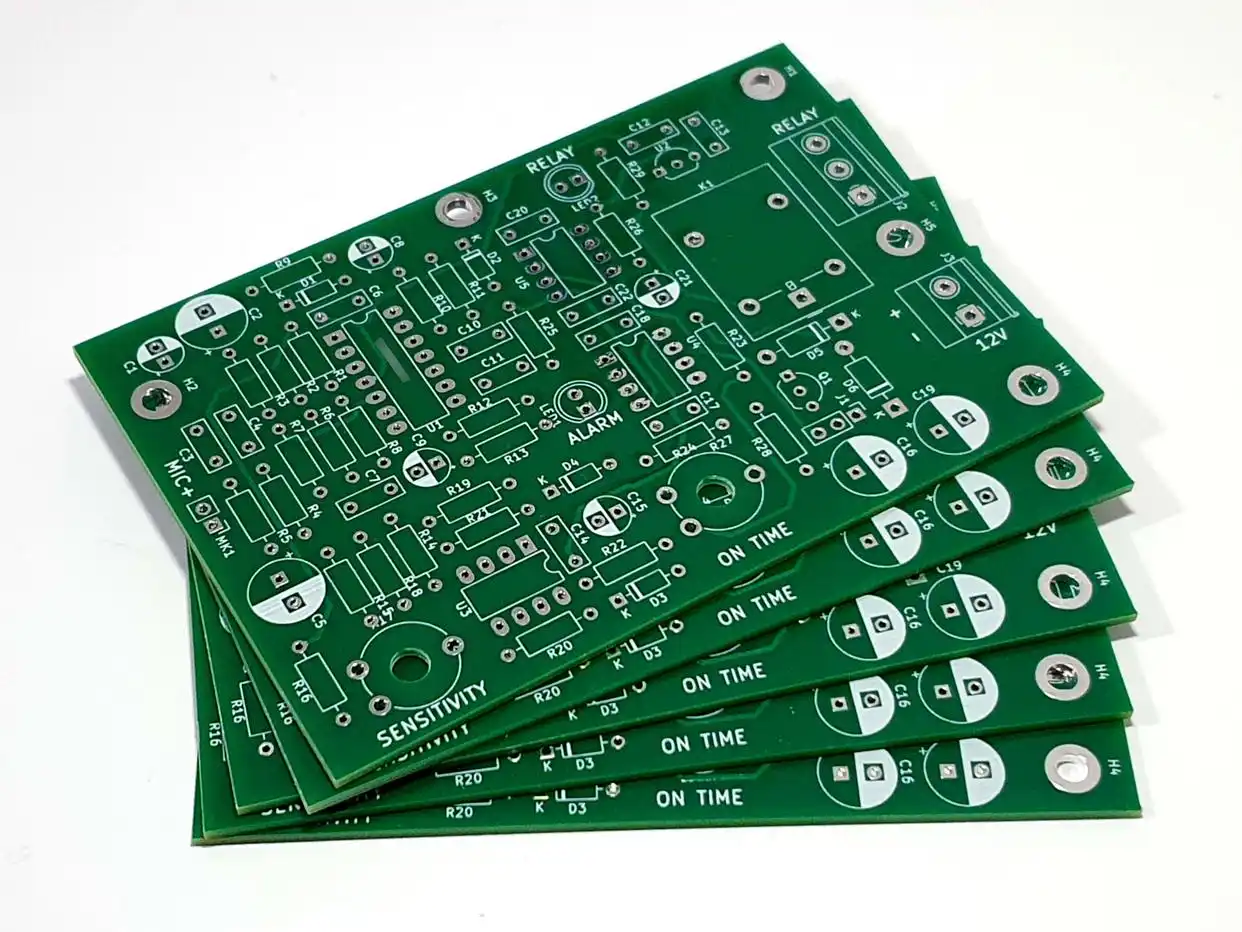
I. When is PCB Baking Required?
Not all PCBs need baking. Baking is mandatory before putting the PCB online in the following scenarios:
① Damaged vacuum packaging: If the vacuum packaging of the PCB is damaged upon delivery, or the moisture indicator card inside the package changes color, it indicates moisture absorption.
② Expired storage: The PCB is not used within the specified period (usually 24-72 hours, depending on workshop humidity) after being unpacked.
③ Excessive moisture in incoming materials: If the incoming batch has a history of delamination and blistering, batch baking is recommended before going online.
④ Customer-specified requirements: For high-reliability products such as automotive electronics and medical devices, customers may require mandatory baking.
C-alley inspects the status of all incoming PCBs: records the unpacking time for those with intact vacuum packaging; enforces baking for PCBs with damaged packaging or expired storage before they go online.
II. Standard Parameters for PCB Baking
PCBs of different thicknesses require different baking times. Overly high temperatures or prolonged baking will accelerate PCB aging, while insufficient temperature leads to incomplete dehumidification.
① Thin PCBs (thickness <1.0mm): Baking temperature of 120±5℃, time of 4-6 hours. Thin boards are more prone to deformation, so it is recommended to bake them flat with fixtures.
② Regular PCBs (thickness 1.0-2.0mm): Baking temperature of 120±5℃, time of 2-4 hours. This is the most commonly used parameter range.
③ Thick PCBs (thickness >2.0mm): Baking temperature of 120±5℃, time of 6-8 hours. Thick boards require longer dehumidification time.
④ Special substrates: High TG boards (TG≥170℃) can be baked at 125℃; aluminum substrates are recommended to be baked at 110℃ for 2-4 hours (excessively high temperature may cause delamination of aluminum substrates); flexible boards are recommended to be baked at 80-100℃ for 2-4 hours (high temperature will damage the PI substrate).
C-alley uses precision baking ovens with a temperature uniformity of ±3℃, and records the baking curve for each batch.
III. Service Life after Baking
PCBs are not permanently moisture-proof after baking, and SMT (Surface Mount Technology) placement must be completed within the specified time.
① Storage conditions: Baked PCBs should be stored in a dry cabinet (humidity ≤20%RH) or sealed packaging with desiccants.
② Service life: Reflow soldering must be completed within 72 hours after baking. If not used within 72 hours, re-baking is recommended.
C-alleymaintains traceable baking records and online usage times, ensuring every PCB is used within its valid period.
IV. Situations where Baking is Not Required
PCBs with intact vacuum packaging and no expired storage can be directly put online without baking. For PCBs with OSP (Organic Solderability Preservative) surface treatment, baking will damage the OSP film and cause solder pad oxidation. If baking is absolutely necessary for OSP boards, the temperature should be reduced to below 100℃ and the time controlled within 1 hour. C-alleyreminds: OSP boards should be used as soon as possible after unpacking (recommended within 24 hours) and not stored for long periods.
V. Precautions for PCB Baking
① Placement and stacking: Thin boards or flexible boards should be baked flat and fixed with fixtures to prevent deformation. Thick boards can be stacked, but gaps should be left between boards to ensure hot air circulation. ② Avoid contamination: No chemicals or volatile substances should be stored in the baking oven to prevent PCB contamination.
③ Oven temperature verification: Baking ovens should be calibrated regularly. If the temperature deviation exceeds ±5℃, maintenance is required. C-alleycalibrates baking oven temperatures monthly and verifies them with standard thermometers.
④ Record retention: Baking records (date, temperature, time, operator) should be kept for future reference.
VI. Consequences of Not Baking
If a moisture-absorbed PCB undergoes reflow soldering without baking, the following problems may occur: PCB delamination (separation of board layers, resulting in board scrapping), blistering (surface bulging, irreparable), solder pad detachment (separation of solder pads from the substrate, resulting in whole-board scrapping), increased BGA (Ball Grid Array) voids, and popcorn effect (internal cracking of BGA chips). Once these problems occur, the entire batch of boards may be scrapped, causing huge losses.
C-alley strictly implements baking standards to eliminate welding defects caused by PCB moisture absorption from the source.
VII. PCB Baking Management at Jiechuang Electronics
C-alley classifies and manages all incoming PCBs: records unpacking times for PCBs with intact vacuum packaging; enforces baking for those with damaged packaging or expired storage; manages OSP boards separately and does not place them in baking ovens; maintains complete, traceable baking records that customers can check at any time.
VIII. Summary
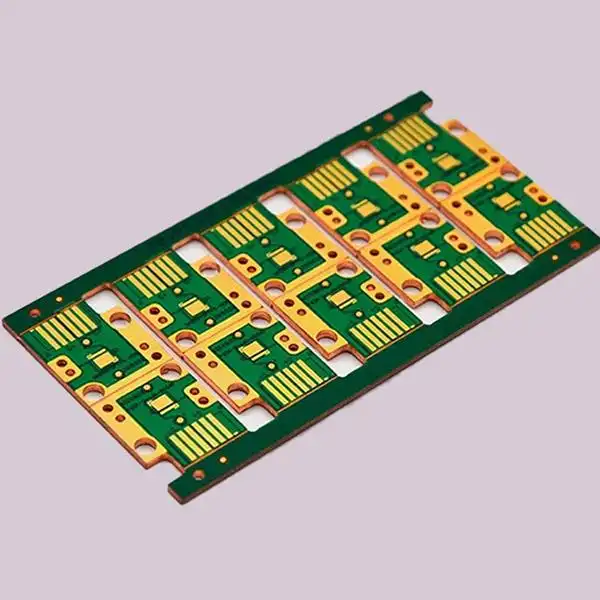
The standard for PCB baking is a temperature of 120±5℃, with time adjusted according to board thickness (2-8 hours). SMT placement must be completed within 72 hours after baking. OSP boards cannot be baked and should be used within 24 hours after unpacking. If you have PCBA processing needs, welcome to contact C-alley—we provide full-process quality assurance from PCB baking to SMT placement.
With 17 years of expertise in PCBA design, manufacturing, and service, KingshengPCBA is ready to help turn your ideas into reality. Feel free to contact us anytime to discuss your requirements and get a professional quotation.
Please send Email to kspcba@c-alley.com or call us through +86 13828766801 Or submit your inquiry by online form. Please fill out below form and attach your manufacturing files( PCB Gerber files and BOM List) if need quotation. We will contact you shortly.
 +86 13828766801
 kspcba@c-alley.com
 https://www.kingshengpcba.com/
 2/F, Building 6, Tangtou 3rd Industrial Zone, Tangtou Community, Shiyan Town, Baoan District, Shenzhen, China, 518108
We would also like to thank our customers for their trust and support. The company's outstanding achievements are mainly due to the loyalty of our customers, which also encourages and spurs our company to forge ahead.