* On your first PCB Assembly order!
* Up to $300 discount
 C - A L L E Y
 Home | Events | PCB | About Us | News | Contact Us
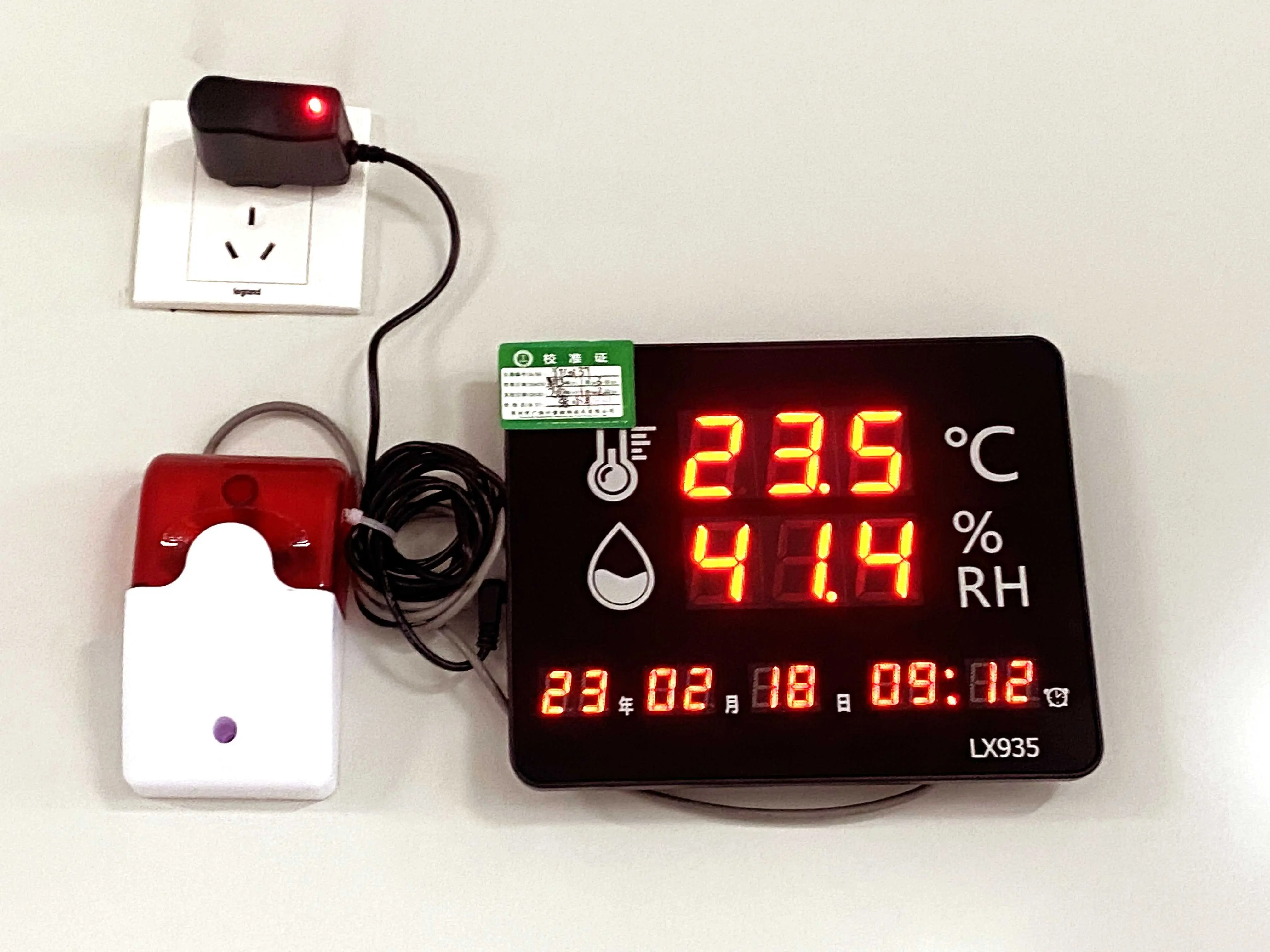
In the PCBA manufacturing process, the environmental conditions of the SMT workshop directly determine the quality of solder paste printing. Many quality issues such as solder bridging, insufficient solder, and slump are not caused by equipment or material failures, but by uncontrolled temperature and humidity in the workshop. Based on the IPC-A-610 standard and industry practice, SMT workshops must establish a strict temperature and humidity control system.
I. SMT Workshop Temperature and Humidity Control Standards
1.1 Temperature Control Range
The standard temperature setting for an SMT workshop is 23±3°C. The optimal process window is 23±1°C, with an allowable fluctuation range of 20°C to 26°C. The rate of temperature change must not exceed 1.5°C per hour. Exceeding this rate causes uneven expansion and contraction of the PCB substrate, leading to pad position shifts.
1.2 Humidity Control Range
The standard relative humidity range is 30% to 60%. For high-precision product manufacturing, 40% to 50% is recommended. When humidity exceeds the 60% upper limit, opening of stencils and solder paste packaging is prohibited. When humidity falls below 30%, humidification equipment must be activated to prevent electrostatic charge accumulation.
1.3 Monitoring and Recording Requirements
The workshop must be equipped with continuous-recording thermohygrometers. Monitoring points should be located 1.2 meters above the floor, away from air supply outlets and reflow furnace entrances. Manual data recording is required every two hours. Continuous monitoring systems should be equipped with alarm functions. Production lines must be stopped if parameters exceed the standard range for more than 15 minutes.
II. Mechanism of Temperature and Humidity Impact on Solder Paste Characteristics
2.1 Effect of Temperature on Solder Paste Viscosity
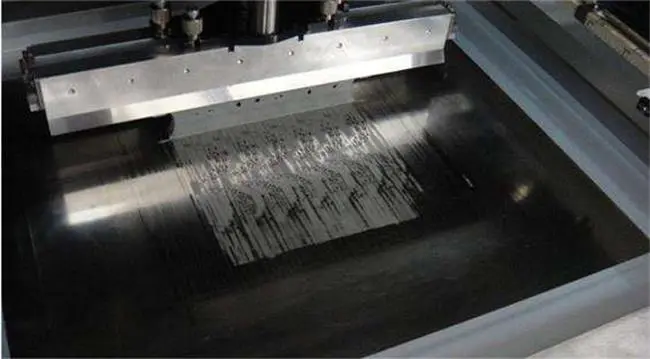
For every 3°C increase in temperature, solder paste viscosity decreases by approximately 8% to 12%. Reduced viscosity causes the solder paste to roll excessively on the stencil, preventing a clean cut when passing through apertures, resulting in tailing and pointed deposits. For every 2°C decrease in temperature, viscosity increases by more than 10%, making it difficult for the solder paste to pass through stencil openings, causing insufficient solder and missing prints.
2.2 Effect of Humidity on Solder Paste Moisture Absorption
When relative humidity exceeds 65%, the flux in the solder paste begins to absorb moisture from the air. This moisture rapidly vaporizes during the reflow stage, causing micro-explosions and solder ball formation. When humidity falls below 25%, solvent evaporation from the flux accelerates, causing the solder paste surface to skin over, which prevents proper release during printing. 2.3 Interaction of Temperature and Humidity
In high-temperature, high-humidity environments, the oxidation rate of solder paste increases by a factor of 3 to 5. An oxide film forms on the surface of the solder powder, reducing wettability during soldering, resulting in dull solder joints and insufficient solder wicking. Low-temperature, low-humidity environments accelerate the volatilization of active flux components, reducing the effective life of the solder paste by more than 40%.
III. Solder Paste Printing Defects Caused by Uncontrolled Temperature and Humidity
3.1 Defects Caused by Temperature Exceeding Limits
When the workshop temperature exceeds 26°C, solder paste exhibits slump after 15 minutes of dwell time on the stencil, with the printed paste height decreasing by 20% to 30%. Solder paste from adjacent pads bridges together, forming solder bridges, and yield for fine-pitch components (0.4mm pitch) drops by more than 20%. When temperature falls below 20°C, the solder paste cannot completely fill stencil apertures, and the missing print rate for pads below 0.5mm increases to 15%.
3.2 Defects Caused by Humidity Exceeding Limits
When relative humidity exceeds 60%, the solder paste surface absorbs moisture and turns white within 30 minutes after printing. Reflow results in numerous voids and solder balls, with more than five voids per solder joint considered a failure. When humidity falls below 30%, electrostatic attraction during printing prevents the solder paste from completely releasing from the stencil aperture walls, resulting in irregular insufficient solder and pointed deposits.
3.3 Hazards of Frequent Temperature and Humidity Fluctuations
When temperature and humidity fluctuate beyond 50% of the standard range over a short period (less than 30 minutes), inconsistent solder paste adhesion forces occur during stencil separation. The same PCB shows extreme variations with excessive solder paste on some pads and insufficient solder on others. This type of defect cannot be fully corrected by adjusting printing parameters.
IV. Control Measures and Practical Recommendations
4.1 Equipment Configuration Requirements
Each 100 square meters of workshop area must be equipped with at least two independent air conditioning units to prevent single points of failure. Dry steam humidifiers are required; ultrasonic humidifiers are prohibited to prevent white powder formation. Dehumidifier capacity should be selected based on 20 watts per cubic meter of workshop volume.
4.2 Daily Management Practices
Personnel entering and exiting the workshop must undergo secondary gowning to minimize outside air introduction. Stencils must be completely dry (compressed air blow-off plus 10 minutes of static drying) after cleaning before reuse. Solder paste that has been brought to room temperature and remains unopened must not be stored in the workshop for more than 4 hours.
4.3 Abnormal Handling Procedure
If temperature and humidity exceed control limits for 15 minutes, operators report to the engineer. If exceeded for 30 minutes, printing operations are suspended, and already printed PCBs are isolated pending inspection. If exceeded for one hour, the solder paste on the stencil is recovered and scrapped according to expired solder paste handling procedures.
Strict adherence to temperature and humidity control standards can maintain solder paste printing defect rates below 0.5%. It is recommended to calibrate monitoring instruments once per quarter and perform performance verification of the air conditioning system once per year. Environmental control is not a supporting activity but an independent critical process step in SMT manufacturing.
With 17 years of expertise in PCBA design, manufacturing, and service, KingshengPCBA is ready to help turn your ideas into reality. Feel free to contact us anytime to discuss your requirements and get a professional quotation.

Please send Email to kspcba@c-alley.com or call us through +86 13828766801 Or submit your inquiry by online form. Please fill out below form and attach your manufacturing files( PCB Gerber files and BOM List) if need quotation. We will contact you shortly.
 +86 13828766801
 kspcba@c-alley.com
 https://www.kingshengpcba.com/
 2/F, Building 6, Tangtou 3rd Industrial Zone, Tangtou Community, Shiyan Town, Baoan District, Shenzhen, China, 518108
We would also like to thank our customers for their trust and support. The company's outstanding achievements are mainly due to the loyalty of our customers, which also encourages and spurs our company to forge ahead.