* On your first PCB Assembly order!
* Up to $300 discount
 C - A L L E Y
 Home | Events | PCB | About Us | News | Contact Us
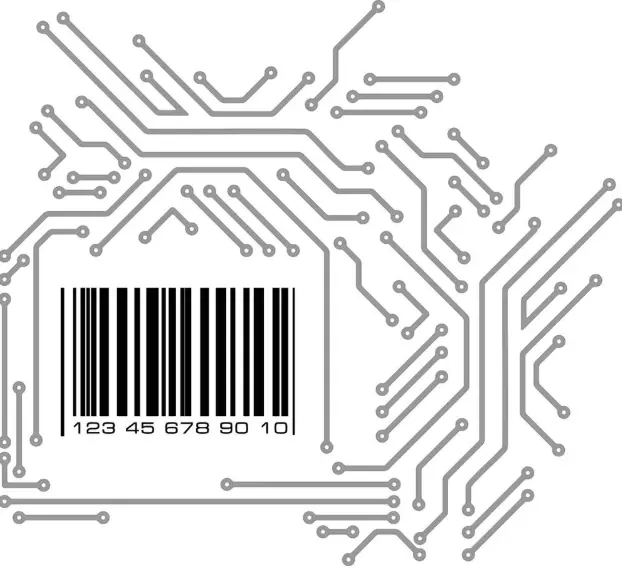
In the dynamic world of electronics manufacturing, the Printed Circuit Board Assembly (PCBA) industry is under constant pressure to deliver higher quality, greater reliability, and complete traceability. As consumer electronics shrink and automotive electronics become more complex, manufacturers are turning to a technology that leaves nothing to chance: laser marking. From etching scannable 2D codes to creating permanent identifiers on bare substrates, laser marking offers a "one-and-done" solution that modern PCB assembly lines cannot afford to ignore.
Ⅰ.Why Laser Outperforms Ink
For decades, inkjet printing was the standard method for applying identifiers to circuit boards. However, the harsh environment of a PCBA line is unforgiving. Ink can smear during reflow soldering, dissolve during chemical washing, or simply fade over time. Laser marking solves these issues by physically altering the surface of the solder mask or substrate. The result is a high-contrast, permanent mark that is resistant to high temperatures, solvents, and physical abrasion. Once a mark is laser-engraved, it is there to stay.
Ⅱ.Enabling End-to-End Traceability
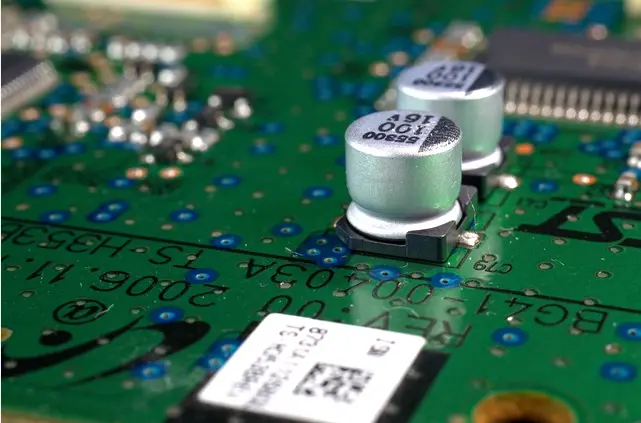
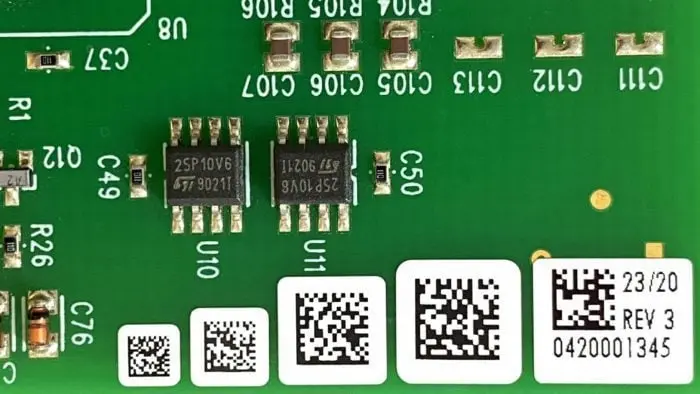
In an era of global supply chains and strict regulatory compliance, traceability is king. Laser markers excel at producing high-density 2D Data Matrix codes on PCB panels. These compact codes can store a wealth of information, including batch numbers, date codes, and supplier origin. By scanning these codes at various stages of production, manufacturers can track each board's journey in real time. If a field failure occurs, the laser-etched code allows engineers to trace the issue back to a specific component batch or production shift, enabling rapid root cause analysis and targeted recalls.
Ⅲ.The Importance of Substrate and Bottom-Side Marking
Beyond top-side labels, laser technology shines in marking the substrate itself—particularly on the bottom side of the board. As components crowd the primary surface, space for identifiers becomes scarce. Bottom-side marking utilizes the otherwise empty surface facing the conveyor. This "invisible" identifier becomes a critical asset once the board is installed in a final product. Technicians in the field can quickly identify board revisions and manufacturing details without disassembling the entire unit, saving time and reducing the risk of damage during repairs.
Ⅳ.A Truly Permanent Investment
The term "permanent" is not an exaggeration in this context. Unlike adhesive labels that can peel off or ink codes that can be chemically stripped, laser marks are integral to the board itself. They survive conformal coating applications, thermal cycling, and years of operational stress. For industries such as aerospace, medical devices, and automotive manufacturing, this durability is not just a benefit—it is a regulatory requirement.
In conclusion, laser marking is no longer just an optional upgrade for PCBA lines; it is a strategic necessity. By providing durable traceability from the 2D code to the substrate, it empowers manufacturers to build smarter, safer, and more reliable products, ensuring that every board's story is preserved for its entire lifecycle.
With 16 years of expertise in PCBA design, manufacturing, and service, KingshengPCBA is ready to help turn your ideas into reality. Feel free to contact us anytime to discuss your requirements and get a professional quotation.
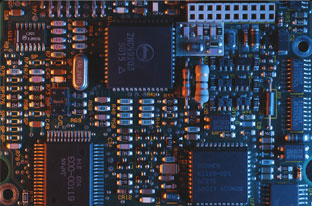
Please send Email to kspcba@c-alley.com or call us through +86 13828766801 Or submit your inquiry by online form. Please fill out below form and attach your manufacturing files( PCB Gerber files and BOM List) if need quotation. We will contact you shortly.
 +86 13828766801
 kspcba@c-alley.com
 https://www.kingshengpcba.com/
 2/F, Building 6, Tangtou 3rd Industrial Zone, Tangtou Community, Shiyan Town, Baoan District, Shenzhen, China, 518108
We would also like to thank our customers for their trust and support. The company's outstanding achievements are mainly due to the loyalty of our customers, which also encourages and spurs our company to forge ahead.