* On your first PCB Assembly order!
* Up to $300 discount
 C - A L L E Y
 Home | Events | PCB | About Us | News | Contact Us
In the PCBA (Printed Circuit Board Assembly) processing industry, cost control is often a core component of a company's competitiveness. For PCBA procurement managers or electronic engineers, understanding the key factors that influence PCBA costs not only helps optimize budgets but also ensures consistent product quality within a reasonable cost range. Today, we will explore several core elements that affect PCBA costs and provide some optimization suggestions.
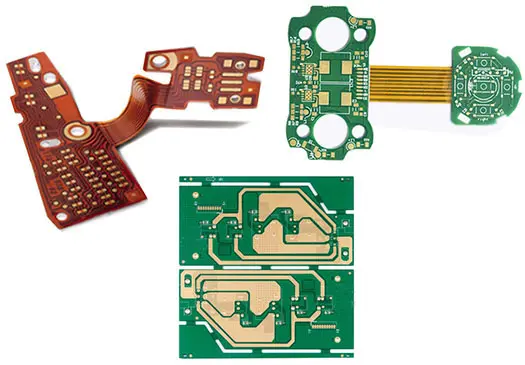
1. PCB Layer Count and Material Selection
The layer count and material of the PCB (Printed Circuit Board) are fundamental factors affecting PCBA costs. Generally, the more layers a PCB has, the more complex the manufacturing process, and consequently, the higher the cost. Simple single-layer or double-layer boards are relatively low-cost, but if the design requires multi-layer boards (such as 4-layer, 6-layer, or more), the manufacturing cost increases significantly. Additionally, the type of PCB material used also impacts cost. For example, using high-frequency materials or special substrates (like PTFE) is more expensive than standard FR4 material.
Optimization Suggestions: During the design phase, try to avoid unnecessary increases in layer count. For ordinary electronic products that do not require high-frequency performance, choosing standard FR4 material can effectively control costs.
2. Component Selection and Procurement
The type, brand, and procurement channels of components directly affect PCBA costs. Some high-end components or chips from specific brands may be more expensive, while general-purpose components are relatively cheaper. Furthermore, the components quantity influences the unit price; bulk procurement typically secures better pricing.
Optimization Suggestions: While meeting functional requirements, try to choose general-purpose components that are readily available in the market and have stable prices. Simultaneously, plan procurement reasonably to lower unit costs through bulk purchasing. Additionally, it is advisable to establish relationships with multiple suppliers to have backup options in case of component shortages or price fluctuations.
3. Complexity of the Assembly Process
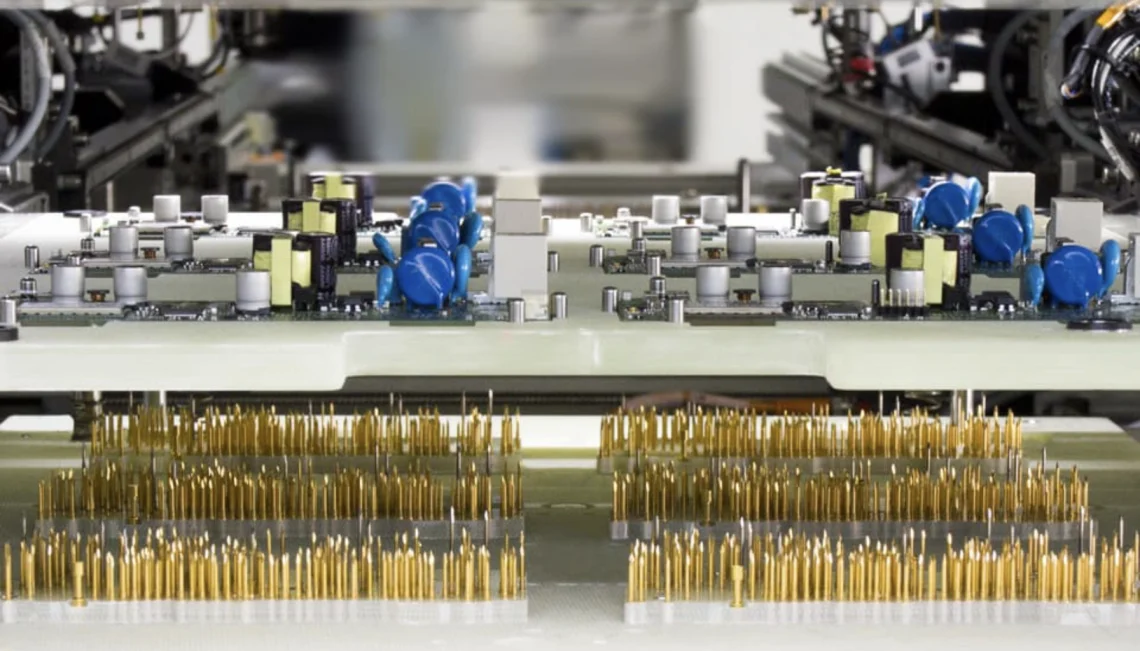
The complexity of the PCBA assembly process is also a crucial determinant of cost. Surface Mount Technology (SMT) and Through-Hole Technology (THT) are two common assembly methods. SMT is suitable for high-density, miniaturized circuit boards but requires higher equipment and precise process. THT is used for components that need to withstand greater mechanical stress, but its production efficiency is lower, leading to relatively higher costs. If a circuit board involves both SMT and THT, it may require double-sided assembly or a mixed process, further increasing costs.
Optimization Suggestions: During the design phase, try to minimize the use of through-hole components and prioritize surface mount components to improve production efficiency and reduce costs. If a mixed process is unavoidable, consider concentrating the through-hole components in one area to minimize process switching during production.
4. Investment in Testing and Quality Control
Testing is a vital step in ensuring PCBA quality, but different testing methods and coverage levels also affect costs. For example, In-Circuit Testing (ICT) can comprehensively check the electrical performance of a circuit board, but the development and maintenance costs for test fixtures are high. Functional testing focuses more on verifying the actual functionality of the product, with lower testing costs, but it may not cover all potential issues.
Optimization Suggestions: Choose a testing plan reasonably based on the product's complexity and application scenario. For high-volume production, consider combining ICT with functional testing to balance testing costs and quality assurance.
5. Order Quantity and Lead Time
Order quantity directly impacts the unit price of PCBA. Generally, larger batch sizes result in lower costs per circuit board because fixed costs (such as engineering fees, fixture fees, etc.) can be spread across more units. Conversely, small-batch or prototype orders often have higher unit prices. Additionally, tight lead times may lead to expedited fees, increasing the total cost.
Optimization Suggestions: Plan production needs reasonably to avoid urgent orders whenever possible. If feasible, use batch ordering to lower unit costs. At the same time, establish long-term cooperative relationships with PCBA suppliers to negotiate more flexible delivery terms.
6. Design for Manufacturing (DFM)
Design for Manufacturing (DFM) is a critical but often overlooked factor affecting PCBA costs. If the design has flaws or is unreasonable—such as insufficient pad spacing or improper component layout—it can lead to lower production efficiency and higher defect rates, thereby increasing costs.
Optimization Suggestions: During the PCB design phase, communicate with the PCBA manufacturer to ensure the design meets manufacturability requirements. Conducting DFM checks to identify and correct potential issues early on can effectively reduce rework and scrap rates during production.
Conclusion
PCBA costs are influenced by a variety of factors: from PCB design, component selection, production processes to testing plans, each of which deserves careful consideration. As a procurement manager or engineer, understanding these key factors and optimizing them accordingly can not only help companies control costs but also enhance product's market competitiveness.
With 16 years of expertise in PCBA design, manufacturing, and service, KingshengPCBA is ready to help turn your ideas into reality. Feel free to contact us anytime to discuss your requirements and get a professional quotation.
Please send Email to kspcba@c-alley.com or call us through +86 13828766801 Or submit your inquiry by online form. Please fill out below form and attach your manufacturing files( PCB Gerber files and BOM List) if need quotation. We will contact you shortly.
 +86 13828766801
 kspcba@c-alley.com
 https://www.kingshengpcba.com/
 2/F, Building 6, Tangtou 3rd Industrial Zone, Tangtou Community, Shiyan Town, Baoan District, Shenzhen, China, 518108
We would also like to thank our customers for their trust and support. The company's outstanding achievements are mainly due to the loyalty of our customers, which also encourages and spurs our company to forge ahead.