* On your first PCB Assembly order!
* Up to $300 discount
 C - A L L E Y
 Home | Events | PCB | About Us | News | Contact Us
In the PCBA assembly process, nothing troubles procurement and production departments more than unexpected shortage notices. Faced with production line stoppage pressures and looming delivery deadlines, many companies take shortcuts—using components that look similar based on parameters directly on the line. However, this approach often becomes the fuse for large-scale rework and batch quality incidents.
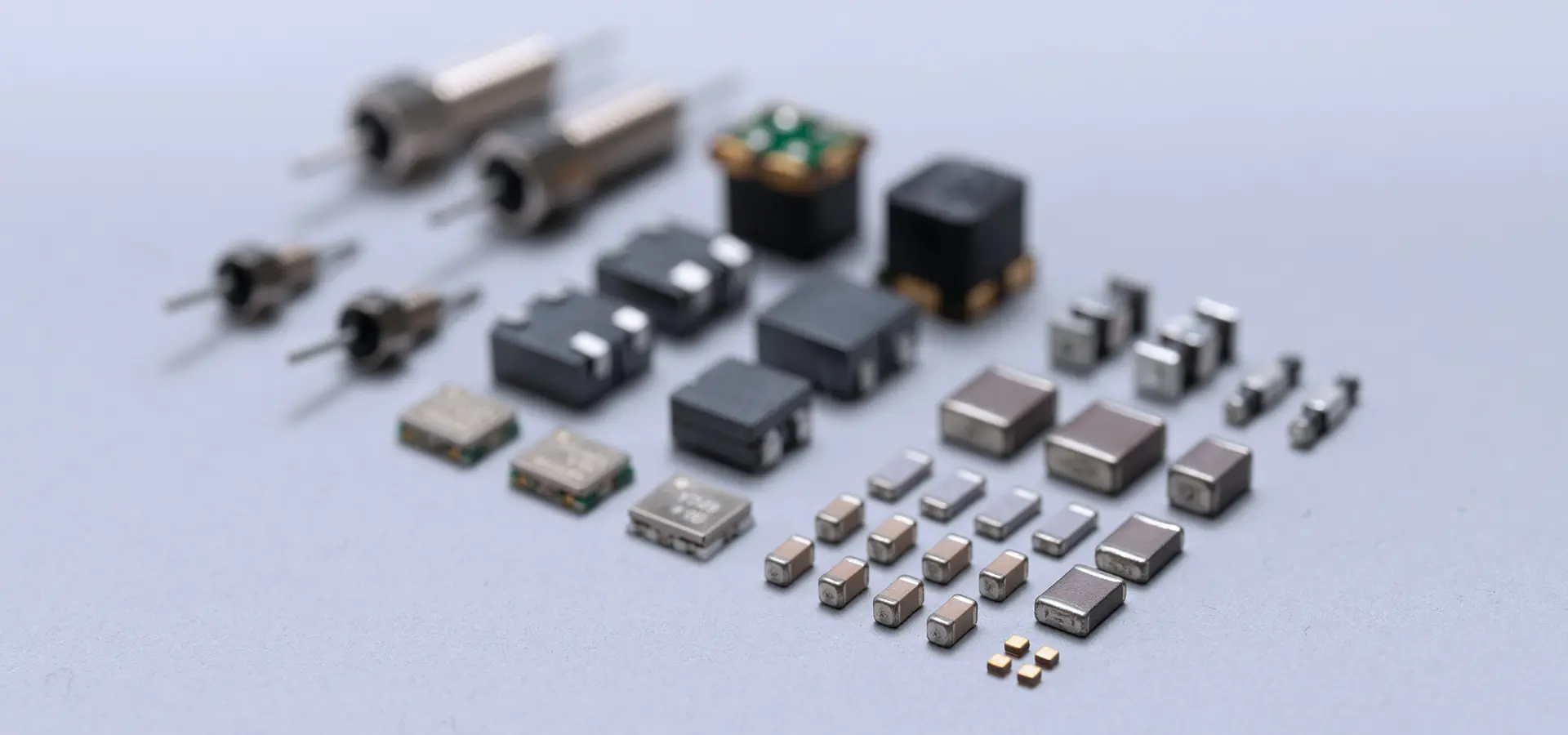
The introduction of alternative materials is not a simple issue about finding a replacement, but rather a rigorous engineering risk assessment process. To ensure that the alternative materials are available, reliable and producible, a systematic Four-Step Verification Method must be followed.
Step 1: In-depth Benchmarking of Documentation and Parameters
First, don't just look at the model number; delve into the Datasheet. In addition to comparing basic parameters such as resistor and capacitor values, for key components (such as ICs, MOS transistors, and power chips), it is necessary to confirm the "Pin-to-Pin" compatibility of the pins, as well as whether the power supply logic and communication protocols are completely consistent. A suffix difference in the model number might imply subtle changes in package dimensions, temperature coefficients, or ESR (Equivalent Series Resistance). These hidden parameters often determine product stability under extreme operating conditions.
Step 2: Process Feasibility and DFM Review
Electrical compatibility does not mean that production can proceed smoothly. At this stage, the key points to be reviewed include the tolerance of package dimensions, the material of the solder joints (such as the difference between SnAgCu and pure tin), and the MSL (Moisture Sensitivity Level) of the components. Process engineers must evaluate whether the new material is compatible with the existing reflow soldering temperature profile and if the pick-and-place machine nozzles can handle it successfully. By using professional DFM software for the review of substitute materials, the differences in component height and pin size between the main material and the substitute material can be automatically compared, thus avoiding problems such as pin detachment or bridging caused by minor deviations.
Step 3: Small-Batch Trial Production and Solder Joint Verification
This is the most critical step. It is recommended to conduct a small-batch trial production of 500-1000 pieces. Why such a quantity? Because suppliers might provide good units after selected when sending samples; only trials of a certain scale can reveal potential batch-to-batch consistency issues. During this trial production, SPI, AOI, and X-Ray inspection are mandatory to check solder joint quality. If necessary, slice analysis is required to confirm that the IMC (intermetallic compound) layer has been formed properly, without any risks of false soldering or cold soldering.
Step 4: Reliability and Environmental Stress Test
Ultimately, whether an alternative component is accepted depends on its durability in real-world scenarios. For industrial control, medical, or automotive products, stress tests like high/low-temperature cycling, vibration, and humidity storage are essential. A capacitor that tests fine at normal temperature may experience excessive capacitance drift at -40°C; a seemingly compatible chip might have an ESD (Electrostatic Discharge) protection level far lower than the original model. Only after passing environmental stress testing, can an alternative component be considered truly determined.
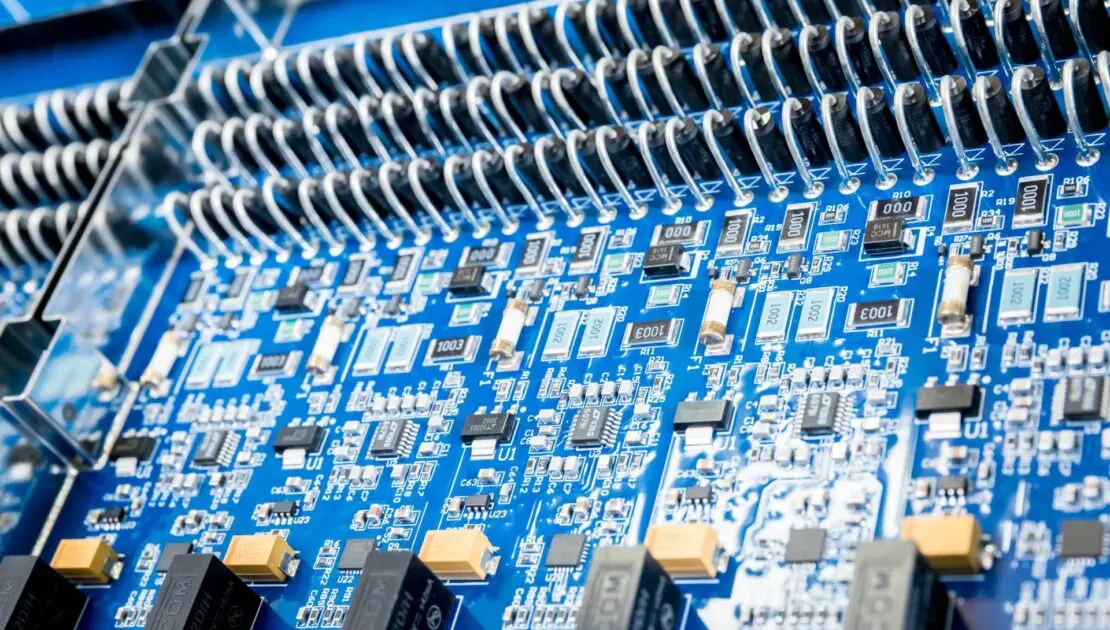
In conclusion, determining alternative components is a closed-loop management process that progresses from the lab to the production line, and then to simulated operating conditions. Under the pressure of shortages, we need to use process-oriented verification methods to mitigate the risks from alternatives, ensuring that production continues without interruption and quality remains uncompromised.
With 16 years of expertise in PCBA design, manufacturing, and service, KingshengPCBA is ready to help turn your ideas into reality. Feel free to contact us anytime to discuss your requirements and get a professional quotation.

Please send Email to kspcba@c-alley.com or call us through +86 13828766801 Or submit your inquiry by online form. Please fill out below form and attach your manufacturing files( PCB Gerber files and BOM List) if need quotation. We will contact you shortly.
 +86 13828766801
 kspcba@c-alley.com
 https://www.kingshengpcba.com/
 2/F, Building 6, Tangtou 3rd Industrial Zone, Tangtou Community, Shiyan Town, Baoan District, Shenzhen, China, 518108
We would also like to thank our customers for their trust and support. The company's outstanding achievements are mainly due to the loyalty of our customers, which also encourages and spurs our company to forge ahead.