* On your first PCB Assembly order!
* Up to $300 discount
 C - A L L E Y
 Home | Events | PCB | About Us | News | Contact Us
In critical fields such as industrial automation, rail transportation, and energy, the failure of a single circuit board can lead to the shutdown of an entire production line, the malfunction of critical equipment, and even safety accidents. High-reliability industrial PCBAs (printed circuit board assemblies) are the "lifeline" in these demanding application scenarios. Unlike consumer electronics, their manufacturing standards are far superior to those of ordinary commercial products. This article will delve into their five core manufacturing standards, revealing the technological support behind industrial-grade stability.
I. Component Selection: Building Reliability Barriers from the Source
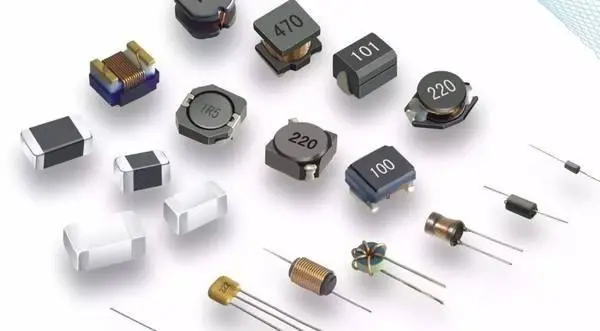
The primary characteristic of high-reliability industrial PCBAs is the use of industrial-grade or automotive-grade components, with standards far exceeding those of commercial-grade components:
*Temperature Rating: Industrial-grade typically requires -40℃ to 85℃, while automotive-grade AEC-Q100 certification includes even more stringent temperature cycling tests.
*Lifetime Prediction: Based on Physics of Failure (PoF) analysis, lifetime prediction and batch screening are performed for key components such as capacitors and semiconductors.
*Supplier Management: Establishing a list of qualified suppliers, requiring them to provide complete reliability test reports and traceability data.
II. Enhanced PCB Manufacturing Process Enhancement: Substrate Structural Reinforcement
The PCB substrate is the fundamental platform for circuitry. Process enhancement includes:
*Thick Copper Foil Design: Using 2oz or more copper foil improves high current carrying capacity and heat dissipation.
*Optimal Surface Finish: Immersion gold (ENIG) provides a flat surface, excellent solderability, and longer storage life.
*Material Selection: Low-loss Rogers substrates are used for high-frequency applications, while metal substrates are used for high thermal conductivity requirements.
*Layer Optimization: Symmetrical layer design reduces thermal stress deformation, and increased ground planes improve EMC performance.
III. Protective Coating Technology: Resisting Environmental Corrosion
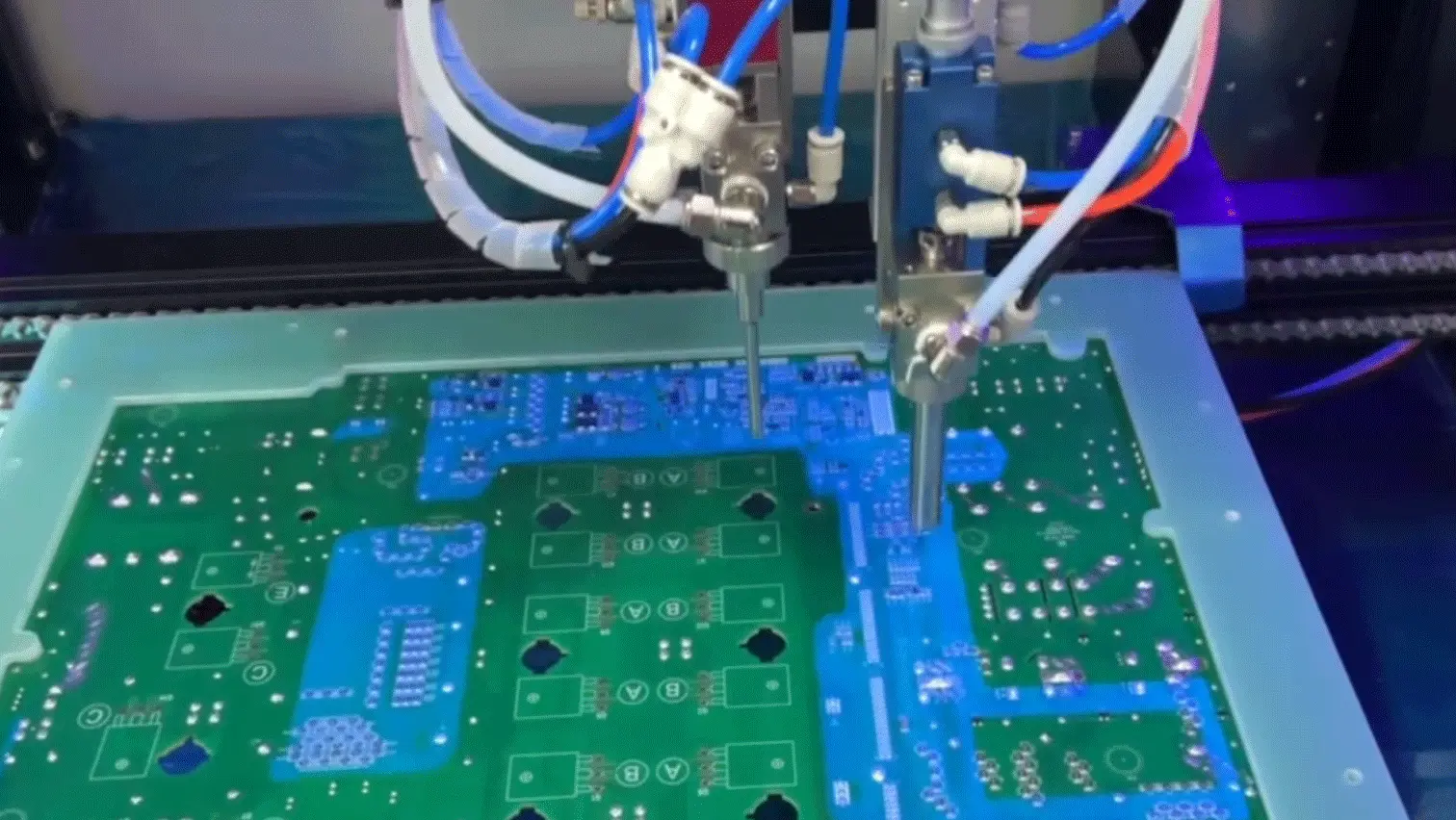
Conformal coating is crucial for PCBA survival in humid and corrosive environments:
*Material Selection: Polyurethane (PU) provides balanced protection, acrylic facilitates repair, and silicone offers excellent high-temperature resistance.
*Process Control: Precisely controlling coating thickness (typically 25-75μm) avoids solder joint stress or heat dissipation obstruction.
*Selective Coating: Utilizing automated equipment for precise avoidance of connectors and heat dissipation areas.
IV. Mechanical and Environmental Stress Testing: Simulating 20-year Harsh Service
Accelerated life testing verifies product performance in real-world environments:
*Vibration and Shock: According to IEC standards... 60068-2-64 undergoes random vibration testing to simulate mechanical stress during transportation and operation.
*Temperature cycling: Rapid temperature change testing from -40℃ to 85℃ exposes potential failures caused by material CTE mismatch.
*Combined stress testing: Comprehensive testing of temperature, humidity, and vibration reveals failure modes that cannot be detected by a single test.
V. EMC Design and Testing: Stable operation in electrical noise.
Industrial environments are full of electromagnetic interference, making EMC design indispensable:
*Design phase intervention: Planning zoning, shielding, and grounding strategies from the layout stage.
*Testing and verification: Comprehensive testing of radiated emissions, conducted emissions, radiated immunity, and conducted immunity.
*Field adaptability: Immunity enhancement for specific industrial interference sources such as frequency converters and motors.
Conclusion
Reliability is designed, but also manufactured. The manufacturing of high-reliability industrial control PCBAs essentially integrates the concept of "failure prevention" into every step—from component procurement to final testing. It is not just a few temperature figures on the specifications, but a complete set of validated design principles, process specifications, and testing systems. In today's era of in-depth advancements in Industry 4.0 and smart manufacturing, this "over-engineered" reliability mindset is precisely the underlying logic for ensuring the continuous and stable operation of critical infrastructure.
For end users, choosing industrial control products that meet these manufacturing standards means lower lifecycle maintenance costs, less unexpected downtime, and reliable performance even in extreme environments. In the industrial sector, reliability is never a cost, but rather the most valuable investment.
With 16 years of expertise in PCBA design, manufacturing, and service, KingshengPCBA is ready to help turn your ideas into reality. Feel free to contact us anytime to discuss your requirements and get a professional quotation.
Please send Email to kspcba@c-alley.com or call us through +86 13828766801 Or submit your inquiry by online form. Please fill out below form and attach your manufacturing files( PCB Gerber files and BOM List) if need quotation. We will contact you shortly.
 +86 13828766801
 kspcba@c-alley.com
 https://www.kingshengpcba.com/
 2/F, Building 6, Tangtou 3rd Industrial Zone, Tangtou Community, Shiyan Town, Baoan District, Shenzhen, China, 518108
We would also like to thank our customers for their trust and support. The company's outstanding achievements are mainly due to the loyalty of our customers, which also encourages and spurs our company to forge ahead.