* On your first PCB Assembly order!
* Up to $300 discount
 C - A L L E Y
 Home | Events | PCB | About Us | News | Contact Us
Printed circuit boards (PCBs) initially served as a straightforward solution for mounting and connecting electronic components, requiring no complex point-to-point wiring. Today, PCBs have become integral to our daily lives, and with technological advancements, their former simplicity has gradually given way to complexity. The PCBs we discuss now may involve multi-layer laminate structures, multiple drilling and lamination processes, and necessitate extensive certification to meet specific industry application standards.
These complexities represent merely a fraction of the broader concept of the PCB supply chain. Managing risks within conventional PCB supply chains is already challenging enough. When PCBs are integrated into medical devices that impact patient health, the requirements and standards become significantly more stringent, presenting even greater challenges for supply chain management.
The Specificity of Medical Device PCB Supply Chain Management
Before delving into various medical devices, we must clarify the differences between medical-grade PCB design and standard commercial or industrial PCB design. Most PCBs are manufactured to IPC-6012 or IPC-6013 standards and require certification under international systems such as ISO 9001 or ISO 14001. Medical PCBs, however, must additionally comply with ISO 13485, rendering them more complex. ISO 13485 is an internationally recognised quality management system specifically for medical devices, encompassing the entire PCB supply chain. For PCB suppliers, this entails stricter documentation management, risk control, and traceability requirements at every stage of the product lifecycle.
End-to-End Traceability
ISO 13485 extends beyond verifying electrical and mechanical compliance to encompass regulatory obligations, record retention, risk management, and subcontractor qualification assessments. For instance, when PCBs are used in life-supporting or implantable devices, full traceability of materials and processes may be required for decades. Not all PCB suppliers can support this level of control, which demands a robust quality system, professionally trained personnel, and clearly defined control measures that withstand external audit scrutiny. Suppliers meeting these requirements are not merely vendors but long-term partners in the field of medical PCB compliance.

Selecting the right partner is paramount
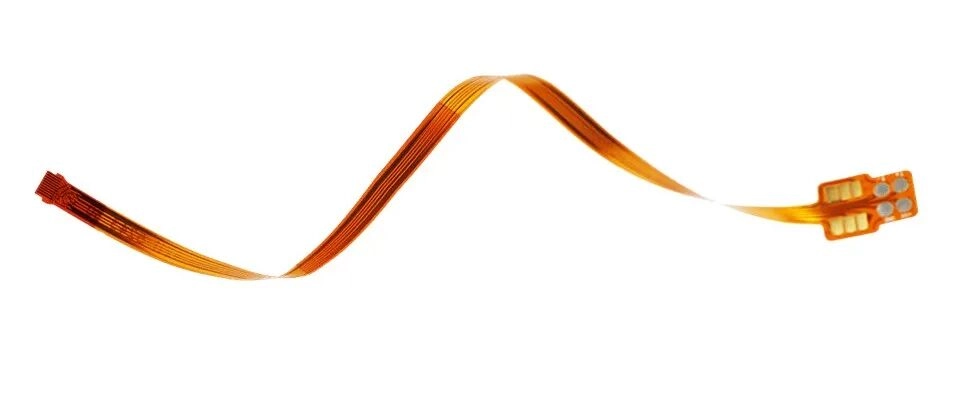
The inherent physical complexity of medical PCBs further compounds manufacturing challenges. Many designs feature extreme miniaturisation, with certain products incorporating ultra-high density interconnects (uHDI) alongside rigid-flex structures. Whilst locating a circuit board manufacturer is straightforward, identifying a reliable partner capable of production under the ISO 13485 certification framework presents a distinct challenge. As supplier qualification requirements intensify, the pool of compliant manufacturers diminishes, adversely impacting PCB lead times, costs, and material availability. In numerous instances, sourcing the appropriate supplier proves equally critical to the correct product design.
Key Considerations for PCB Design Optimisation
Optimising PCB designs has become routine practice. Early in my career, when overseeing the solder mask printing process, I merely followed a few straightforward procedures. However, upon transitioning to front-end engineering roles, my responsibilities escalated rapidly. Although production lines strive to streamline processes, this offers limited gains in efficiency. Only by taking a step back and examining the complete data package—including Gerber files, manufacturing drawings, laminate structures, and array layouts—can one truly appreciate the critical importance of the design phase. My profound insight is this: the more complete and accurate the data package provided by the client, the fewer delays and unexpected issues arise during manufacturing.
Never underestimate the importance of manufacturing drawings
Manufacturing drawings serve as a vital tool for design engineers to communicate requirements. Years ago, PCBs could be produced with minimal or even absent manufacturing instructions. However, in today's technological landscape—where choices encompass different solder mask colours, surface finish processes, and via protection methods—such brevity is no longer feasible. Nevertheless, in practice, I frequently receive quotation requests lacking manufacturing drawings. While simple commercial PCBs might still be quoted, medical PCBs explicitly require ‘computer-readable’ drawing files per IPC-6012EM and IPC-6013EM standards. Beyond compliance, such drawings accelerate quoting and prototyping—enabling suppliers to accurately and efficiently grasp design intent.
Ensuring clarity in manufacturing instructions
Another common issue is ambiguous or contradictory manufacturing instructions. For instance, statements such as ‘drill dimensions equate to finished hole diameters’ can cause confusion, particularly given that plated-through-hole processes invariably drill a slightly larger hole before electroplating to the required finished diameter. A more precise instruction would be: ‘Unless otherwise specified, hole diameters shall be the finished dimensions.’ Drawing redundancy presents another risk point. When laminate drawings specify board thicknesses inconsistent with manufacturing instructions, this leads to process delays and increased EQ time. Every contradiction within documentation heightens the risk of errors or delays – particularly during design revision phases, where inconsistent file updates are more likely to cause issues.
Layer Stack Design and Impedance Matching
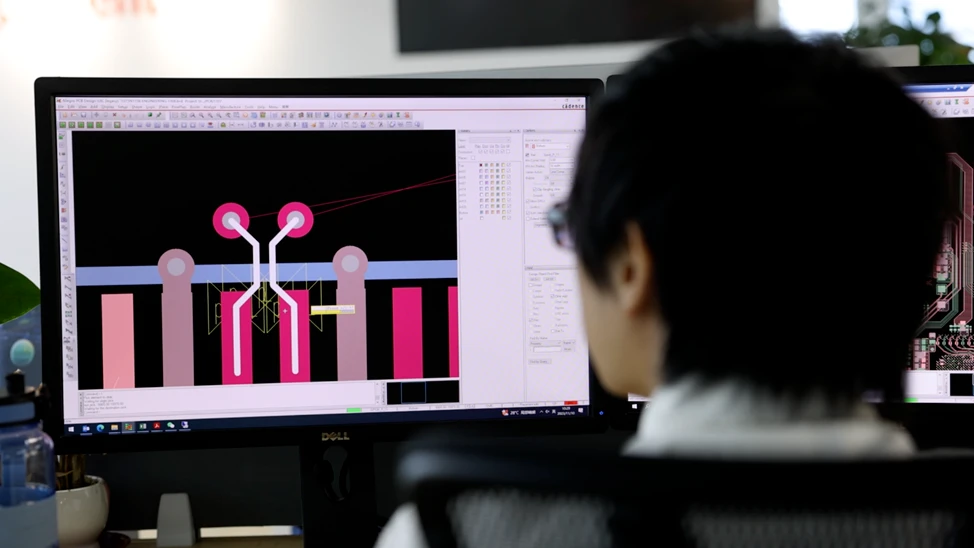
During my time at the factory, part of my role involved designing layer stack structures and impedance-matched traces. On one occasion, after completing a DFM analysis, I was discussing the design solution over the phone with the PCB design engineer. During the conversation, he mentioned impedance-tracked traces in the design, which puzzled me as this requirement had never been specified in the procurement documents. I later learned he never designated impedance-tracked traces, relying entirely on the factory to achieve precise laminate structures. Furthermore, he firmly believed standard manufacturing processes sufficed to meet impedance requirements. This scenario is not uncommon, and indeed, this approach can work – perhaps most of the time – but I still do not recommend it.
When PCB suppliers control circuit board impedance, traces undergo specialised processing. Engineers identify traces with specified impedance from Gerber data, examine the reflow layer, then construct an internal lamination scheme based on the customer's laminate structure and calculate impedance values. The internal stackup design closely matches the layer sequence provided by the customer, though minor deviations may occur due to the supplier's use of real-time lamination data. Typically, PCB suppliers require minor adjustments to the dielectric layers within the stack-up and/or modifications to the impedance traces. This constitutes the standard approach taken by front-end engineers for controlled impedance traces, ensuring the finished product meets design objectives.
Clear and comprehensive documentation is paramount
To maximise the design's effectiveness, a complete, clear, and consistent documentation system must be provided. Non-essential content may be omitted, while mandatory information must be stated accurately at the outset. This eliminates information gaps with suppliers and minimises unnecessary communication during manufacturing. Streamlined design solutions accelerate the quotation process, optimise production stages, and reduce unexpected issues during implementation.
Recommendations for Enhancing PCB Supplier Performance
Another approach to mitigating risks within the medical PCB supply chain involves maximising supplier performance through strategic alignment and continuous collaboration. Within the medical sector, patient safety and regulatory compliance are non-negotiable imperatives, necessitating that PCB suppliers maintain stable, documented, and verifiable performance standards. This necessitates not only sourcing orders from reliable suppliers but also establishing structured, proactive partnerships to ensure suppliers consistently operate at peak capacity – particularly when manufacturing life-critical medical PCBs.
Leverage Only Their Core Technical Competencies
To maximise supplier production performance, one must first precisely define each facility's technical capability boundaries. This requires detailed audits to assess the scope of technologies a supplier can reliably and sustainably produce. Medical PCB procurement must be systematic: factory certification should not only consider general capabilities but focus on specific manufacturing domains where the supplier excels. It is a common misconception that a single ‘qualified’ supplier can handle all business – yet experience demonstrates that sustained success stems from precisely matching manufacturing requirements with supplier strengths. Through continuous on-site follow-up, ensure that the assessment results from the audit phase remain valid throughout the entire production cycle.
Operational Management and Commitment to Sustainability
Beyond capability alignment, a supplier's KPI performance hinges on operational management. Key indicators include: whether the supplier has established documented control procedures for addressing non-conformities, whether critical quality personnel have received training, and whether engineering support staff are available to liaise with medical device manufacturers when issues arise. Furthermore, the supplier's commitment to sustainability and clean manufacturing processes should be scrutinised, particularly against the backdrop of increasingly stringent environmental regulations across the industry. For medical PCB manufacturing, ‘build to specification’ requirements are fundamental yet extend far beyond mere compliance. Many clients demand ‘exact replication’ – meaning PCBs must be manufactured identically each time, with no substitution of materials, processes, or suppliers, nor any unauthorised changes. This requirement must be embedded within the supplier's equipment and work instructions.
Without such controls, even high-quality PCBs may fail to meet medical device manufacturers' demands for consistency and traceability.
Summary
Within the medical sector, mitigating PCB supply chain risks necessitates a holistic strategy encompassing design optimisation, supplier qualification reviews, and strict adherence to regulatory standards. From initial procurement plans through to final production, each stage must be controllable, verifiable, and repeatable. ISO 13485 compliance, comprehensive design documentation, and supplier collaboration are no longer optional extras but essential prerequisites.
As medical PCBs grow increasingly complex and critical within medical devices, project success hinges not merely on producing functional circuit boards but on establishing an end-to-end system spanning concept to finished product. This ensures safety, consistency, and traceability. Practical experience demonstrates that greater emphasis on design clarity and supplier performance management effectively mitigates PCB manufacturing risks.
With 16 years of expertise in PCBA design, manufacturing, and service, KingshengPCBA is ready to help turn your ideas into reality. Feel free to contact us anytime to discuss your requirements and get a professional quotation.
Please send Email to kspcba@c-alley.com or call us through +86 13828766801 Or submit your inquiry by online form. Please fill out below form and attach your manufacturing files( PCB Gerber files and BOM List) if need quotation. We will contact you shortly.
 +86 13828766801
 kspcba@c-alley.com
 https://www.kingshengpcba.com/
 2/F, Building 6, Tangtou 3rd Industrial Zone, Tangtou Community, Shiyan Town, Baoan District, Shenzhen, China, 518108
We would also like to thank our customers for their trust and support. The company's outstanding achievements are mainly due to the loyalty of our customers, which also encourages and spurs our company to forge ahead.