* On your first PCB Assembly order!
* Up to $300 discount
 C - A L L E Y
 Home | Events | PCB | About Us | News | Contact Us
In the rapidly evolving field of medical technology, Printed Circuit Board Assemblies (PCBAs) play a critical role in ensuring the functionality, safety, and reliability of medical devices. Unlike consumer electronics, medical device PCBAs must adhere to stringent regulatory and performance standards to minimize risks to patients and healthcare providers.
1. Regulatory Compliance: Meeting Industry-Specific Standards
Medical device PCBAs must comply with strict international and regional regulations to ensure patient safety and device efficacy. Key standards include:
A. ISO 13485:2016 – Quality Management for Medical Devices
Mandates rigorous quality control processes throughout the manufacturing lifecycle.
Requires traceability of components, risk management (ISO 14971), and documentation control.
B. IEC 60601-1 – Electrical Safety for Medical Equipment
Ensures protection against electrical hazards (leakage currents, insulation, grounding).
Covers electromagnetic compatibility (EMC) to prevent interference with other devices.
C. IPC-A-610 Class 3 & IPC-6012 Class 3 (High-Reliability Electronics)
Defines stringent acceptance criteria for solder joints, cleanliness, and component placement.
Ensures long-term reliability in critical applications (e.g., implantable devices).
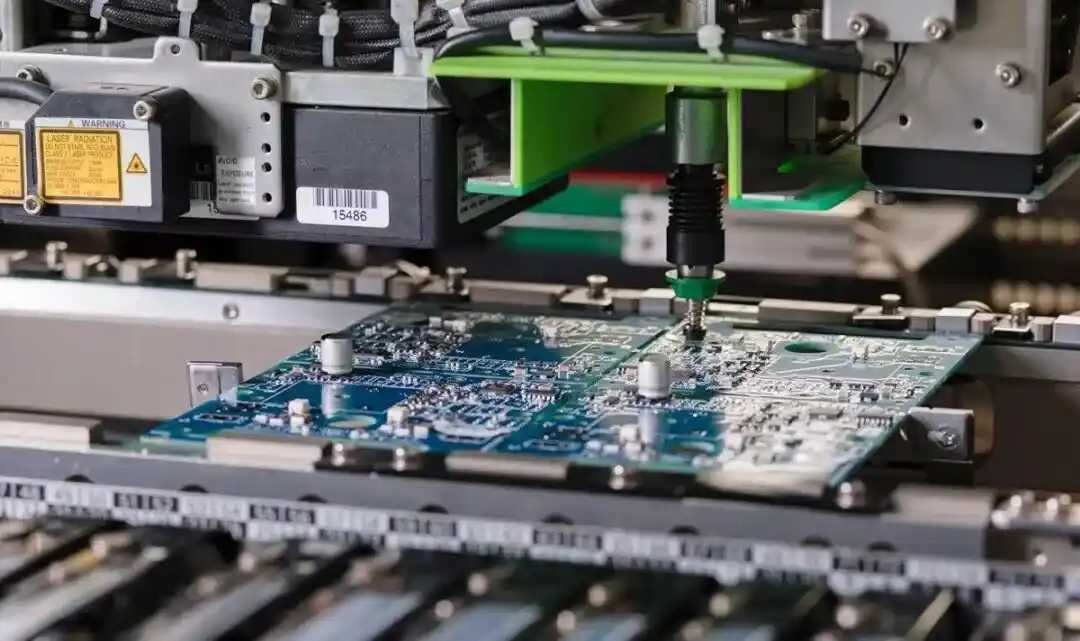
2. Material Selection: Ensuring Biocompatibility and Durability
Medical PCBAs often operate in harsh environments (sterilization, humidity, chemical exposure). Key considerations include:
A. High-Temperature & Chemical-Resistant Substrates
FR4, polyimide, or ceramic-based PCBs for thermal stability.
Conformal coatings (silicone, acrylic, or parylene) for moisture and chemical resistance.
B. Lead-Free & RoHS-Compliant Components
Avoids toxic materials (e.g., lead, cadmium) to meet environmental and biocompatibility standards.
C. Antimicrobial Coatings (For Wearables & Implants)
Silver-ion or copper-infused coatings to prevent bacterial growth
3. Design Considerations for Medical PCBAs
A. Signal Integrity & Noise Reduction
Proper grounding, shielding, and impedance control for sensitive analog/digital signals.
Low-noise components for diagnostic equipment (e.g., ECG, MRI).
B. Miniaturization & High-Density Interconnects (HDI)
Micro-vias and flexible PCBs for compact, portable devices (e.g., insulin pumps).
C. Redundancy & Fail-Safe Mechanisms
Dual power supplies, error-checking circuits, and self-diagnostics for critical systems.
4. Manufacturing & Testing Requirements
A. Cleanroom Assembly (For Implantable Devices)
Prevents contamination from dust and particulates.
B. Automated Optical Inspection (AOI) & X-Ray Testing
Detects soldering defects, voids, or misalignments.
C. Accelerated Life Testing & Burn-In Testing
Simulates long-term usage to identify early failures.
D. Sterilization Compatibility Testing
Ensures PCBAs withstand autoclaving, gamma radiation, or ethylene oxide (EtO) sterilization.
Conclusion
Medical device PCBAs demand a higher level of precision, reliability, and regulatory compliance than standard electronics. Manufacturers must prioritize material selection, robust design, and rigorous testing to meet industry standards such as ISO 13485, IEC 60601, and FDA/EU MDR requirements.
By adhering to these guidelines, PCBA manufacturers can ensure the safety, performance, and longevity of medical devices, ultimately contributing to better patient outcomes.
Would you like a deeper dive into any specific standard or manufacturing process? Feel free to contact us anytime.
Please send Email to kspcba@c-alley.com or call us through +86 13828766801 Or submit your inquiry by online form. Please fill out below form and attach your manufacturing files( PCB Gerber files and BOM List) if need quotation. We will contact you shortly.
 +86 13828766801
 kspcba@c-alley.com
 https://www.kingshengpcba.com/
 2/F, Building 6, Tangtou 3rd Industrial Zone, Tangtou Community, Shiyan Town, Baoan District, Shenzhen, China, 518108
We would also like to thank our customers for their trust and support. The company's outstanding achievements are mainly due to the loyalty of our customers, which also encourages and spurs our company to forge ahead.