* On your first PCB Assembly order!
* Up to $300 discount
 C - A L L E Y
 Home | Events | PCB | About Us | News | Contact Us
In SMT assembly, incoming material inspection (IQC) is the very first quality control gate, and often the most decisive one.
Any defect introduced at the material stage can propagate throughout the entire production process, leading to rework, scrap, delayed delivery, and customer complaints.
A robust SMT IQC process ensures that all incoming materials, electronic components, PCB boards, solder paste, and auxiliary materials fully comply with specifications before entering the production line, effectively preventing quality risks at the source.
1. Purpose of SMT Incoming Inspection
The primary objective of SMT incoming inspection is to ensure that every material entering the SMT line meets defined quality, electrical, and process requirements.
Through systematic inspection, manufacturers can:
- Verify electrical parameters and solderability of electronic components
- Confirm PCB design integrity, pad quality, and surface finish
- Detect potential risks early, before mass production begins
By shifting quality control upstream, SMT IQC significantly reduces:
- Rework and repair costs
- Production interruptions
- Warranty claims and customer returns
In short, SMT incoming inspection is not just quality control—it is cost control and risk management.
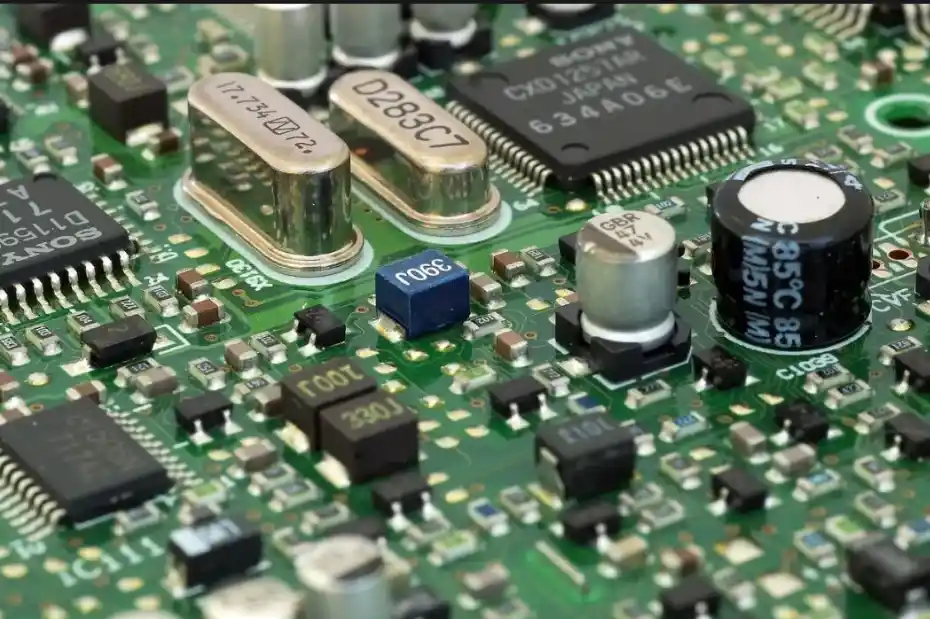
2. Incoming Inspection of Electronic Components
Electronic component inspection is essential to maintaining process stability and long-term product reliability. The inspection process typically includes the following key items:
2.1 Visual Inspection
Check for physical damage, deformation, oxidation, or corrosion
Confirm packaging integrity and labeling accuracy
2.2 Specification Verification
Verify part number, package type, ratings, and tolerance against BOM and datasheets
2.3 Solderability Evaluation
Ensure component leads or terminations meet soldering requirements
Prevent issues such as poor wetting or cold solder joints
2.4 Solder Joint Quality Review (if applicable)
Inspect soldered terminations for proper fillet formation
Identify cold joints, insufficient solder, or non-wetting
2.5 Electrical Performance Testing
Validate key functional parameters to ensure compliance with design requirements
2.6 Material Authenticity Verification
Confirm correct material sources and certifications
Prevent counterfeit or substandard components from entering production
3. PCB Incoming Inspection
PCB inspection directly impacts assembly yield, solder joint reliability, and long-term performance.
Key Inspection Items Include:
3.1 Visual Inspection
Surface cleanliness
No warpage, delamination, or oxidation
3.2 Dimensional Verification
Use calipers or gauges to confirm board dimensions meet design tolerances
3.3 Warpage Control
Standard PCB: 0.70%–0.75% maximum warpage
PCB with BGA components: ≤0.5% warpage
3.4 Solder Mask Quality
Uniform thickness and color
No scratches, pinholes, or uneven surfaces
3.5 Pad Quality
Flat and smooth pad surfaces
No burrs or poor etching
Minimum pad size ≥ 150 μm
3.6 Electrical Performance Testing
Functional testing under rated voltage conditions
3.7 Environmental Reliability Testing
Exposure to -10°C and +70°C for 12 hours, followed by load testing
3.8 Packaging Integrity
Ensure vacuum packaging and moisture protection remain intact
3.9 Label Verification
Match PCB labeling with order information and BOM data
4. Incoming Inspection of Solder Paste
Solder paste is a critical process material in SMT assembly. Its performance directly affects solder joint quality and long-term reliability.
Key Inspection Criteria:
4.1 Composition Verification
Confirm correct alloy, flux, and additive ratios
4.2 Anti-Splatter Performance
Prevent solder balling and unintended bridging
4.3 Residue Assessment
Ensure residues are clean, stable, and free of contaminants
4.4 Oxidation Resistance
Verify shelf life and oxidation control during storage and use
4.5 Wettability Testing
Ensure proper spreading and pad coverage during reflow
4.6 Wear and Stability Evaluation
Confirm consistent performance during printing and reflow cycles
5. Supporting Tools for Efficient SMT Incoming Inspection
To further enhance SMT IQC efficiency and prevent design-related assembly risks, DFM (Design for Manufacturability) analysis tools play an increasingly important role.
Example: DFM Software for SMT Assembly
Professional DFM tools can:
5.1 Prevent Design Defects
Identify pad size mismatches, insufficient spacing, and assembly risks before production
5.2 Improve Material Compatibility
Automatically cross-check BOM data with component libraries
Detect potential mismatches between components and PCB layout
5.3 Optimize Soldering Processes
Analyze pad geometry and solder joint risk
Provide actionable improvement recommendations
5.4 Strengthen Supply Chain Control
Visual BOM validation
Assist purchasing teams in material verification and inventory checks
5.5 Reduce Manufacturing Costs
Early-stage cost evaluation
Improve panel utilization and material efficiency
Conclusion
SMT incoming inspection is the foundation of stable, high-yield electronics manufacturing.
By implementing structured IQC procedures for components, PCB boards, solder paste, and auxiliary materials—and combining them with DFM analysis—manufacturers can:
-Prevent defects before they occur
- Reduce production costs
- Improve delivery reliability
- Protect brand reputation
For industrial, medical, and automotive electronics, where reliability is non-negotiable, SMT IQC is not optional; it is essential.
KingshengPCBA is ready to help turn your ideas into reality. Feel free to contact us anytime to discuss your requirements and get a professional quotation.
Please send Email to kspcba@c-alley.com or call us through +86 13828766801 Or submit your inquiry by online form. Please fill out below form and attach your manufacturing files( PCB Gerber files and BOM List) if need quotation. We will contact you shortly.
 +86 13828766801
 kspcba@c-alley.com
 https://www.kingshengpcba.com/
 2/F, Building 6, Tangtou 3rd Industrial Zone, Tangtou Community, Shiyan Town, Baoan District, Shenzhen, China, 518108
We would also like to thank our customers for their trust and support. The company's outstanding achievements are mainly due to the loyalty of our customers, which also encourages and spurs our company to forge ahead.