Ceramic PCB vs FR4 PCB: Key Differences, Advantages, and Applications for Industrial, Medical, and Automotive Electronics
 C - A L L E Y
Home | Events | PCB | About Us | News | Contact Us
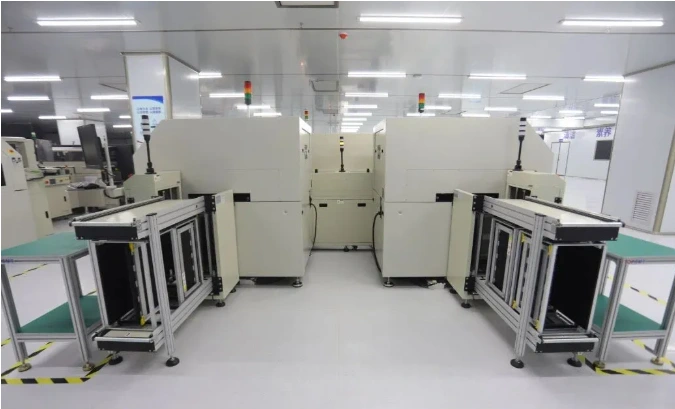
In the demanding world of electronics manufacturing, ensuring the long-term reliability and durability of Printed Circuit Board Assemblies (PCBAs) is non-negotiable. To rigorously test PCBA functionality and lifespan under extreme conditions, specialized aging test chambers, often referred to as environmental stress chambers, are employed. These sophisticated instruments simulate years of harsh environmental exposure in a condensed timeframe. Let's delve into the five defining features of a modern PCBA aging test chamber.
 1. Simulated Solar Radiation
Ultraviolet (UV) radiation from sunlight is a primary culprit in degrading materials, causing discoloration, loss of mechanical strength, and component failure in PCBAs. Aging chambers utilize UV lamps to replicate the short-wavelength UV spectrum of sunlight, minimizing visible and infrared energy. The specific wavelength and irradiance level are critical and can be selected based on test requirements, primarily using UVA or UVB type lamps.
2. UV Lamp Spectrum Options
The choice of UV lamp dictates the nature and acceleration rate of the test.
UVA-340 Lamps: These provide the best simulation of sunlight in the critical short-wave UV region from 365 nm down to 295 nm. They are ideal for general material durability testing where realistic sunlight simulation is the goal.
UVB-313 Lamps: Emitting more intense short-wave UV energy than typical terrestrial sunlight, these lamps achieve maximum acceleration of the aging process. They are primarily used for aggressive quality control, R&D, or testing highly UV-resistant materials, but may induce unnatural failures in some products.
UVA-351 Lamps: Designed to simulate UV light filtered through window glass, this lamp type is most effective for testing indoor electronic products or materials.
3. Humidity Condensation Environment
In many environments, moisture—often from dew, not rain—can affect materials for over 12 hours daily. Advanced chambers simulate this through a controlled condensation mechanism. A heated water reservoir generates saturated vapor, maintaining 100% relative humidity at an elevated temperature inside the chamber. The PCBA sample, mounted on the chamber wall, experiences a temperature differential: its outer surface cools relative to the warm, humid air inside. This causes continuous moisture condensation directly onto the test surface throughout the cycle, accurately replicating prolonged outdoor dew formation. While condensation is the standard method, some tests may require supplemental water spray.
4. Precise Temperature Control
Temperature is a pivotal accelerating factor in aging tests. Modern chambers offer precise temperature control within each test cycle, monitored via black panel thermometers. Consistent and accurate temperature regulation is essential not only for accelerating chemical and physical degradation processes but also for ensuring test reproducibility and reliable, comparable results across different batches.
5. Water Spray System
For applications where thermal or mechanical shock from rainfall is a concern, integrated water spray systems are vital. This feature simulates the stress caused by sudden temperature drops and mechanical erosion from rain. When a hot PCBA is rapidly cooled by a rain shower, it experiences thermal shock, which can crack components or solder joints. The chamber's spray system, typically featuring multiple nozzles, can periodically spray cool water onto the samples for short durations. This rapid cooling effectively creates thermal cycling and stress corrosion conditions, providing a more comprehensive assessment of field reliability.
By integrating these five features—controlled UV exposure, selectable spectrum, realistic moisture condensation, precise temperature cycling, and optional water spray—PCBA aging test chambers provide manufacturers with invaluable data. This enables the proactive identification of potential failure modes, leading to more robust designs, improved product quality, and ultimately, greater end-user satisfaction and trust in the final electronic product.
With 16 years of expertise in PCBA design, manufacturing, and service, KingshengPCBA is ready to help turn your ideas into reality. Feel free to contact us anytime to discuss your requirements and get a professional quotation.
 +86 13828766801
 kspcba@c-alley.com
 https://www.kingshengpcba.com/
 2/F, Building 6, Tangtou 3rd Industrial Zone, Tangtou Community, Shiyan Town, Baoan District, Shenzhen, China, 518108