* On your first PCB Assembly order!
* Up to $300 discount
 C - A L L E Y
 Home | Events | PCB | About Us | News | Contact Us
Conformal coating is a protective layer applied to a printed circuit board (PCB) to safeguard it from external contaminants and prevent corrosion. These coatings provide insulation and protect sensitive components, but they must be applied selectively to avoid interfering with the board's functionality. Over-coating or incorrect application can lead to problems with electrical connections or the performance of sensitive components.
Areas on PCBA That Should Not Be Coated
While the benefits of conformal coating are clear, there are specific regions on a PCBA where coating should be avoided. These areas include those where electrical connections are made, components that need to remain accessible for maintenance or operation, and places where the coating could impact performance.
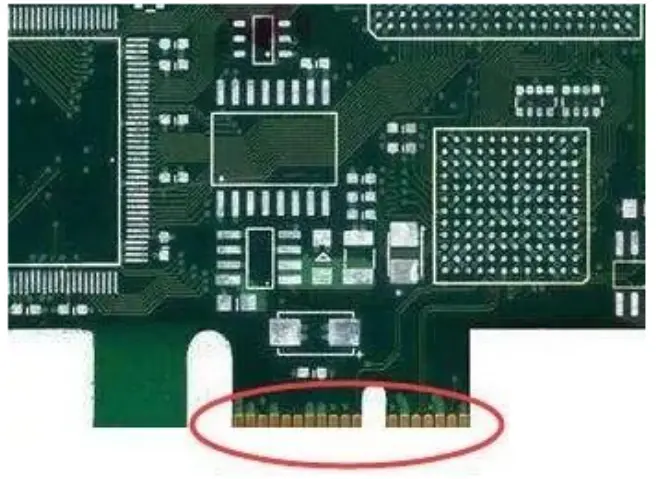
1. Electrical Connection Points
Gold Pads and Fingers: Areas that are used for electrical connections, such as gold-plated pads, gold fingers, and metal vias, should not be coated. These areas are critical for electrical integrity, and any coating could create resistance or prevent proper connection.
Test Points: Test points, used for diagnostics or performance testing, must be left uncoated to ensure accurate measurements and to maintain the integrity of the testing process.
2. Connectors and Switches
Connectors: Connectors (e.g., USB, HDMI, power connectors) should be shielded from the coating process as they need to maintain a direct, clean connection for signal or power transmission.
Switches: Non-sealed switches should not be coated, as the coating could interfere with their mechanical function, leading to operational failure.
3. Thermal Components
Heat Sinks and Thermal Management Components: These areas should be left uncoated to ensure efficient heat dissipation. Conformal coatings could act as an insulating layer, preventing effective cooling and causing thermal issues.
4. Battery and Battery Holders
Batteries and their holders should be kept free from coatings to avoid the risk of short circuits, overheating, or other potential safety issues.
5. Optical and Sensitive Components
Optical Devices: Any components that rely on light transmission, such as lenses or light sensors, should not be coated. Conformal coatings could obstruct light paths, affecting the device's performance.
Sensors and Potentiometers: These sensitive components must remain uncoated to ensure their correct operation. For example, applying a coating to a sensor can impede its ability to detect environmental changes, compromising functionality.
6. Fuses and External Enclosures
Fuses and external protective housings should be left uncoated. Conformal coating could prevent the fuse from functioning properly in case of an overload or short circuit.
7. Jumpers and Wire Links
These are used for specific configurations and should not be coated, as the coating could affect their function, especially in high-frequency circuits or low-resistance paths.
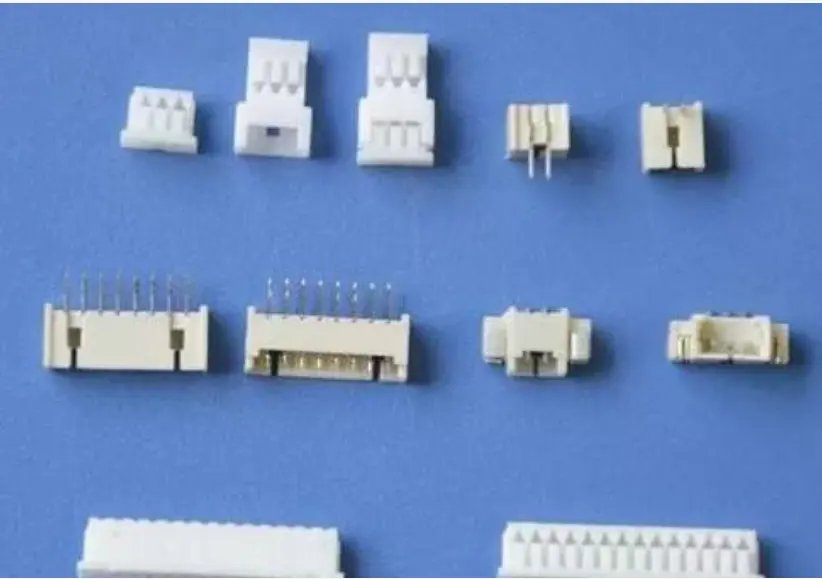
Areas That Should Be Coated
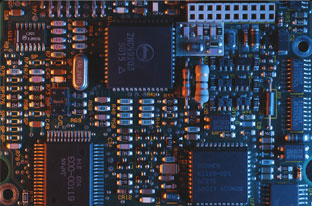
Aside from the aforementioned areas that must be left uncoated, all other exposed components on the board—such as solder joints, component leads, and conductors—should be coated to ensure protection against moisture and contaminants. The coating should be applied uniformly, ensuring that the protection layer is intact without obstructing any electrical connections.
Final Thoughts
When applying conformal coating to a PCBA, it's essential to understand the specific requirements of your design and the function of each component. Failure to selectively coat or shield the necessary components can result in performance degradation or even damage to the board. As a general rule, anything that is involved in the electrical connection or physical manipulation (like switches, connectors, or test points) should remain uncoated, while other parts of the board should be adequately protected. Always remember to conduct thorough testing to ensure that the coating has not affected the performance or safety of your assembly.
KINGSHENGPCBA specializes in the PCBA industry, providing one-stop services from electronic component procurement to custom PCBA solution design, development, and manufacturing. If you have custom PCBA development needs, please feel free to contact us.
Please send Email to kspcba@c-alley.com or call us through +86 13828766801 Or submit your inquiry by online form. Please fill out below form and attach your manufacturing files( PCB Gerber files and BOM List) if need quotation. We will contact you shortly.
 +86 13828766801
 kspcba@c-alley.com
 https://www.kingshengpcba.com/
 2/F, Building 6, Tangtou 3rd Industrial Zone, Tangtou Community, Shiyan Town, Baoan District, Shenzhen, China, 518108
We would also like to thank our customers for their trust and support. The company's outstanding achievements are mainly due to the loyalty of our customers, which also encourages and spurs our company to forge ahead.