* On your first PCB Assembly order!
* Up to $300 discount
 C - A L L E Y
 Home | Events | PCB | About Us | News | Contact Us
Printed Circuit Boards (PCBs) form the foundation of modern electronics, providing mechanical support and electrical interconnection for electronic components. Despite their compact size, PCBs are critical to the functionality and reliability of electronic devices. This article breaks down the basic structure and common types of PCBs.
1. Basic Structure of a PCB
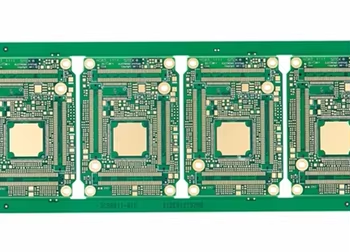
A typical PCB consists of four main layers:
Substrate: Usually made of FR-4 (a glass-reinforced epoxy laminate), it provides mechanical strength and electrical insulation.
Copper Layer: Thin copper foil laminated onto the substrate, etched to form conductive traces and pads for electrical connections.
Solder Mask: A protective layer (often green or blue) applied over the copper to prevent oxidation and short circuits, while leaving solder pads exposed.
Silkscreen: White or light-colored markings printed on the board to indicate component placement, reference designators, and test points.
2. Common Types of PCBs
Based on the number and arrangement of conductive layers, PCBs are classified into three main categories:
Single-Sided PCBs:
Conductive traces are on only one side of the substrate. These are cost-effective and suitable for simple circuits, such as those in basic remote controls or calculators.
Double-Sided PCBs:
Copper layers are present on both sides, connected by plated through-holes (PTH). These allow more complex routing and are widely used in consumer electronics, industrial controls, and automotive modules.
Multilayer PCBs:
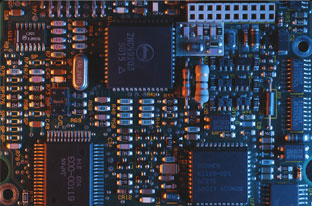
Consists of three or more conductive layers separated by insulating layers, interconnected by blind, buried, or through-hole vias. Multilayer boards support high-density designs and are essential for advanced applications like smartphones, servers, and communication systems.
3. Application Scenarios by PCB Type
The choice of PCB type depends on the complexity, performance requirements, and cost targets of the end product:
Single-Sided PCBs are ideal for low-cost, high-volume consumer goods with simple circuitry.
Double-Sided PCBs offer a balance of performance and affordability, commonly used in home appliances, power supplies, and IoT devices.
Multilayer PCBs are necessary for high-speed, high-frequency, or space-constrained applications such as network hardware, medical equipment, and aerospace systems.
Conclusion
Understanding PCB structure and variety is essential for effective circuit design and manufacturing. Selecting the right type of board, whether single-sided, double-sided, or multilayer, ensures optimal performance, reliability, and cost-efficiency.
At KingshengPCBA, we provide end-to-end PCB solutions tailored to your project needs, from design support to volume production. Contact us to bring your electronic ideas to life with the right board technology.
Please send Email to kspcba@c-alley.com or call us through +86 13828766801 Or submit your inquiry by online form. Please fill out below form and attach your manufacturing files( PCB Gerber files and BOM List) if need quotation. We will contact you shortly.
 +86 13828766801
 kspcba@c-alley.com
 https://www.kingshengpcba.com/
 2/F, Building 6, Tangtou 3rd Industrial Zone, Tangtou Community, Shiyan Town, Baoan District, Shenzhen, China, 518108
We would also like to thank our customers for their trust and support. The company's outstanding achievements are mainly due to the loyalty of our customers, which also encourages and spurs our company to forge ahead.