Medical Device PCBA
1. Overview: The Critical Reliability Challenge in Medical Applications
Medical device PCBA demands the highest levels of reliability, precision, and cleanliness. Unlike industrial or consumer electronics, medical devices are often life-sustaining or life-critical — including patient monitors, infusion pumps, ventilators, imaging systems, and implantable devices. Failure is not an option.
These PCBA systems must operate flawlessly in environments such as operating rooms, intensive care units, and home healthcare settings, where electromagnetic interference (EMI), temperature variations, and biological contamination risks are present. As a result, medical device PCBA must be designed and manufactured with stringent attention to
reliability, signal integrity, biocompatibility, and regulatory compliance.
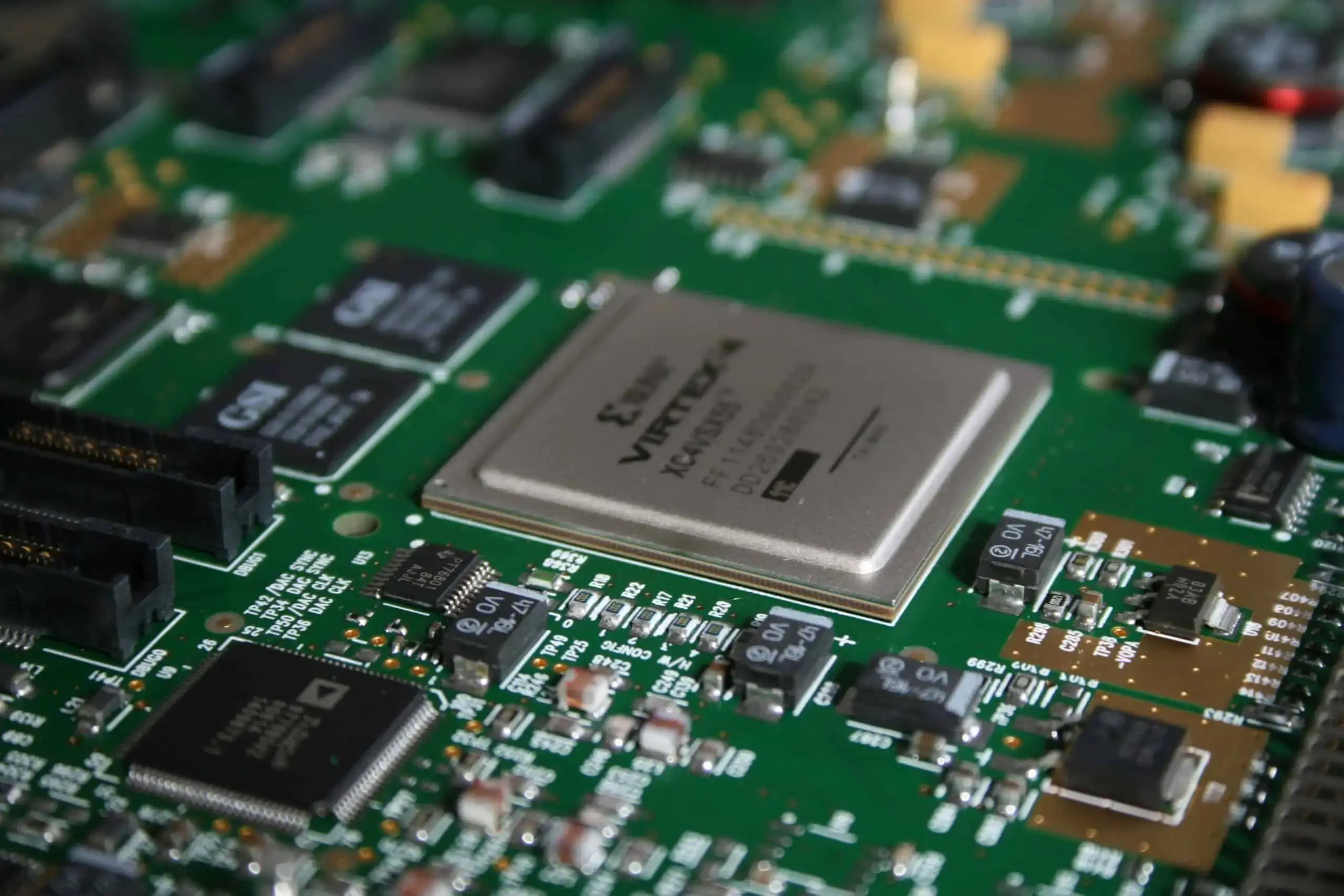
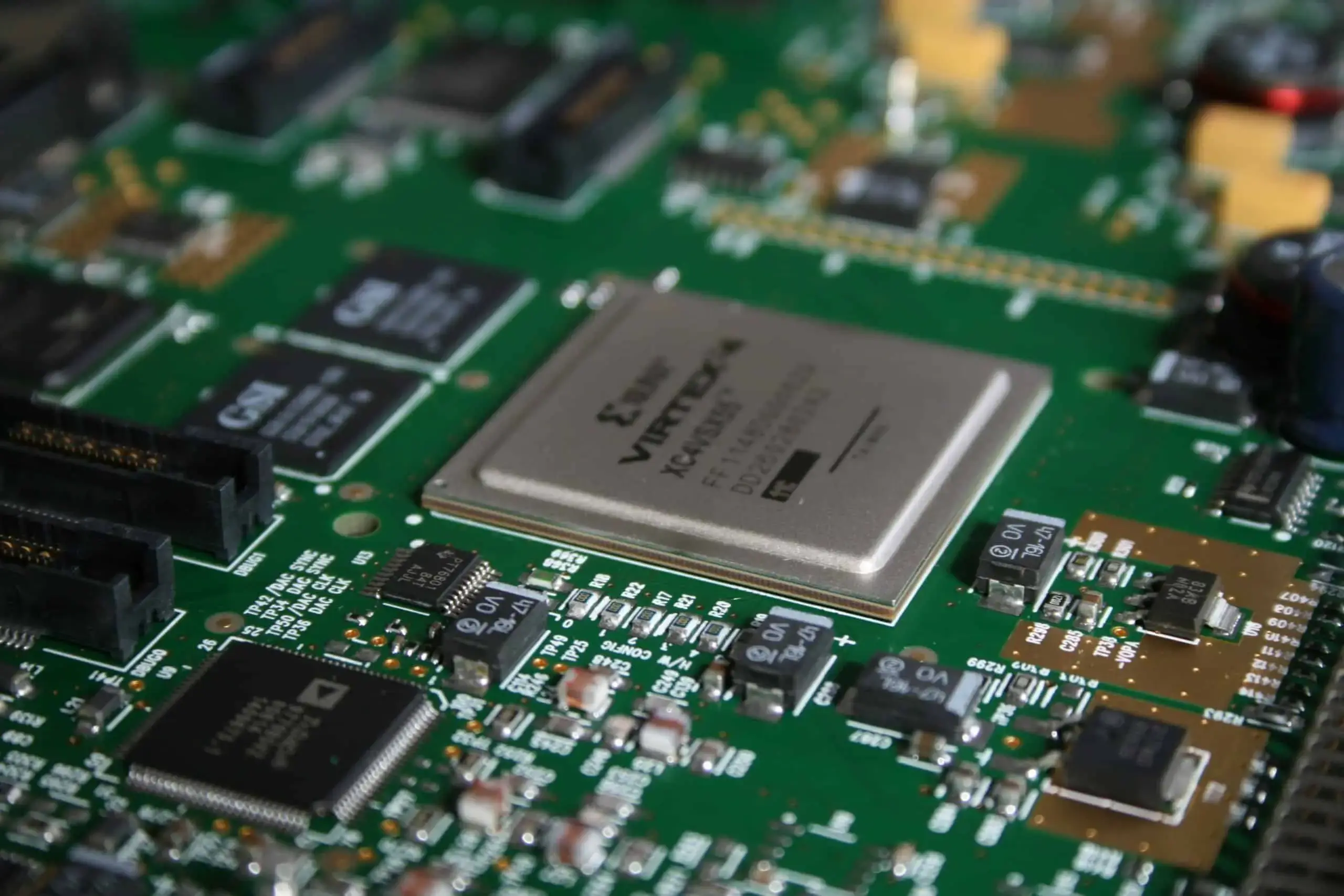 2. SMT Assembly: High-Precision Requirements for Medical PCBA
Medical PCBA typically involves the hybrid placement of miniature, high-density components — from microcontrollers and sensors to power management ICs and wireless communication modules — all of which must meet medical-grade standards in placement accuracy and solder joint quality.
2.1 Placement Accuracy
For critical circuits such as analog front-ends, ECG/EEG signal processing, and RF transmission, placement deviation must be controlled within
±0.03mm to ensure signal integrity and device accuracy.
2.2 Solder Joint Quality
Solder joint fullness, wetting, and bridging rates must comply with
IPC-A-610 Class 2 or Class 3 requirements, with Class 3 typically required for implantable or life-support devices. Furthermore, 100% automated optical inspection (AOI) is mandatory for medical PCBA.
3. Signal Integrity & EMI Control for Sensitive Medical Electronics
Medical devices often process extremely weak physiological signals (e.g., ECG, EEG, pulse oximetry) that are easily corrupted by electromagnetic noise. Therefore, medical PCBA requires exceptional anti-interference capability.
3.1 Multi-Layer PCB Design
Multi-layer PCBs with dedicated power and ground planes are used to achieve effective electromagnetic shielding and low-impedance power distribution.
3.2 Analog-Digital Separation
Component layout must strictly separate analog and digital circuit areas to avoid crosstalk and ground loops. Guard rings and isolated power islands are commonly employed to enhance signal purity.
3.3 Impedance Control & Differential Pair Routing
Strict impedance control (e.g., 50Ω, 90Ω, or 100Ω) and differential pair routing are critical for high-speed interfaces such as USB, LVDS, or RF communication modules.
4. Thermal Management for Medical Devices
Although medical devices generally have lower power dissipation compared to industrial systems, thermal management remains important — especially for compact, portable, or wearable devices where heat can affect patient comfort or sensor accuracy.
4.1 Heat Dissipation Optimization
By optimizing component placement, incorporating thermal vias, and using thermally conductive interface materials, localized hot spots can be minimized, thereby improving device reliability and patient safety.
4.2 Low-Power Design Support
Medical PCBA often integrates low-power microcontrollers and power regulators to reduce overall heat generation, extending battery life in portable devices such as infusion pumps and handheld diagnostic tools.
5. Cleanliness, Biocompatibility, & Regulatory Compliance
Medical device PCBA must meet additional requirements that go beyond standard electronics manufacturing.
5.1 Cleanroom Manufacturing
Boards are often assembled in
ISO Class 7 or Class 8 cleanrooms to control particulate contamination, which is critical for devices used in sterile environments or in contact with patients.
5.2 Residue Control
Post-soldering flux residues, ionic contaminants, and particulate matter must be strictly controlled. Controlled cleaning processes, such as deionized water washing or vapor degreasing, are commonly applied to ensure surface cleanliness.
5.3 Biocompatibility (for Implantable or Skin-Contact Devices)
For implantable or external medical devices that contact skin, materials used on the PCBA surface — including solder mask, conformal coating, and adhesives — must comply with
ISO 10993 biocompatibility standards.
5.4 Regulatory Certifications
A qualified medical PCBA manufacturer should hold relevant certifications, including but not limited to:
- ISO 13485 – Quality management system for medical devices
- ISO 9001 – General quality management
- IPC-A-610 – Acceptability of electronic assemblies (Class 2 or 3)
- FDA Quality System Regulation (QSR) 21 CFR Part 820 – Required for devices entering the US market
6. Kingsheng PCBA – Professional Manufacturing for Medical Device PCBA
Kingsheng PCBA has extensive experience in medical device PCBA manufacturing, with the capability to handle complex, high-density, and mixed-technology boards including HDI, rigid-flex, and high-frequency PCBs.
The company holds
ISO 13485 (medical devices),
ISO 9001, and IATF16949 certifications and is equipped with
YAMAHA high-speed SMT lines, 3D SPI, AOI, X-Ray, and controlled cleaning systems.
6.1 Service Scope
From component sourcing and PCB fabrication to SMT assembly, inspection, and cleanroom packaging, Kingsheng PCBA provides one-stop, high-reliability PCBA services for the following medical devices:
- Patient Monitors (ECG, SpO2, NIBP, temperature)
- Infusion Pumps & Syringe Pumps
- Ventilators & Respiratory Support Devices
- Diagnostic Imaging Equipment (Ultrasound, X-ray)
- Portable & Wearable Medical Devices
- Laboratory & In-Vitro Diagnostic (IVD) Instruments
6.2 Key Advantages for Medical PCBA
Kingsheng PCBA offers a comprehensive set of advantages tailored to medical device requirements:
- ISO 13485 Certified – Dedicated quality management system for medical devices
- High-Precision Placement – Placement deviation controlled within ±0.03mm
- Complete Inspection Chain – AOI, X-Ray, functional testing, and cleanliness testing
- Cleanroom Assembly – ISO Class 8 cleanroom for particulate control
- Controlled Cleaning Process – Deionized water cleaning to remove ionic residues
- Full Traceability – Fully traceable from component lot to finished board, compliant with FDA and MDR requirements
- IPC-A-610 Class 2/3 Compliance – Meets acceptance criteria for medical electronics
7. Conclusion: Four Core Pillars of High-Reliability Medical PCBA
The reliability of medical device PCBA is no accident — it is built upon four core pillars:
Material Selection → Process Control → Cleanliness Management → Regulatory Compliance
Choosing a professional manufacturer with comprehensive technical capabilities, medical-grade quality systems (ISO 13485), and a proven track record in medical electronics is critical to ensuring patient safety and device reliability.
Kingsheng PCBA is committed to supporting your medical device products with professional, compliant, and high-quality PCBA manufacturing — ensuring safe and stable performance in every clinical environment.
8. Contact Us
For any medical device PCBA project needs, please contact us at:
www.kingshengpcba.com
Shenzhen Kingsheng Technology Co., Ltd. has rich experience and a professional technical team in PCBA.
Contact KingshengPCBA today to request a quote or discuss your PCBA project.
 +86 13828766801
 kspcba@c-alley.com
 https://www.kingshengpcba.com/
 2/F, Building 6, Tangtou 3rd Industrial Zone, Tangtou Community, Shiyan Town, Baoan District, Shenzhen, China, 518108