PCBA Design for Smart Irrigation Systems: 3 Core Tips to Make Your Product More Reliable
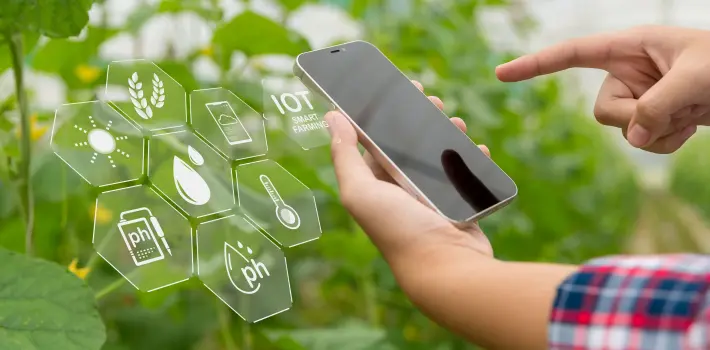
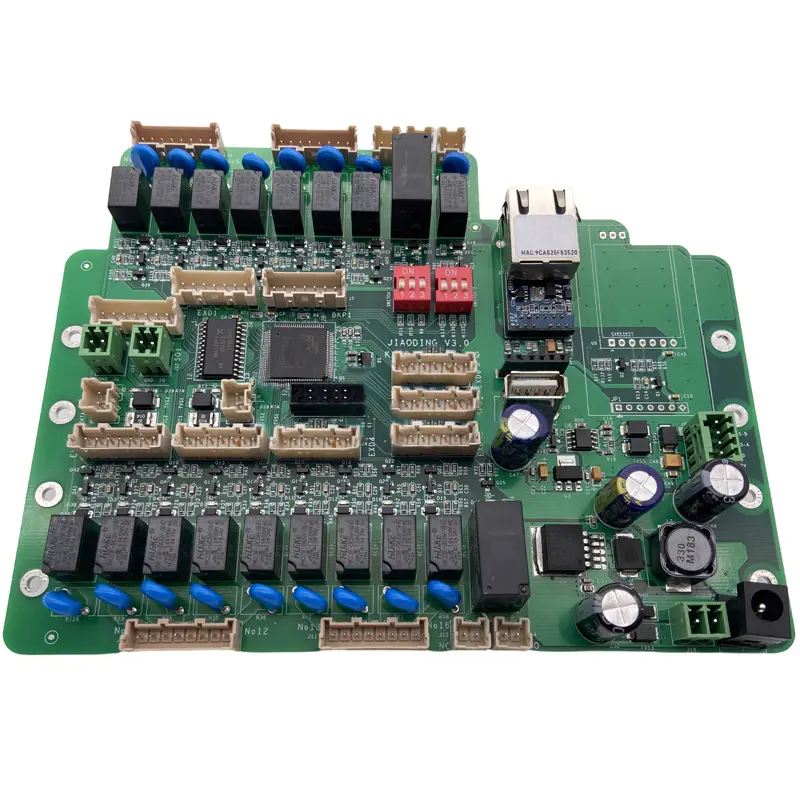
With the rapid development of smart agriculture and smart homes, smart irrigation systems are becoming a market hotspot. Whether it's an automatic watering device for balcony plants or an intelligent drip irrigation system for large farmlands, the core of these products relies on a stable and reliable PCBA. As an engineer at a PCBA manufacturing facility, I would like to discuss several critical yet often overlooked issues in the PCBA design of smart irrigation systems from a practical production perspective.
 1. Waterproof and Moisture-Proof Treatment is the Top Priority
Smart irrigation systems often operate in harsh environments—high humidity, dew, and even occasional water splashes. Standard conformal coating is often insufficient in these cases.
In our daily production, we have encountered numerous customer rework cases where the root cause was moisture damage. For irrigation PCBA used in outdoor or high-humidity environments, we recommend the following approaches:
Choose full-sealing potting technology: Use epoxy resin or silicone gel to fully encapsulate the PCBA, achieving an IP rating of IP67 or higher.
Apply special treatment to critical interfaces: Add waterproof gaskets or apply waterproof glue at power supply and sensor interfaces.
Select a board thickness of 1.6mm or more: Prevents thin boards from deforming in humid environments, which could lead to solder joint cracking.
A special note: although potting offers excellent protection, it can cause heat dissipation and repair difficulties. For PCBA with wireless communication modules (e.g., 4G, LoRa, Wi-Fi), be sure to evaluate the module's heat dissipation requirements and antenna signal attenuation before potting.
2. Reserve Sufficient Margin in Power Supply Design
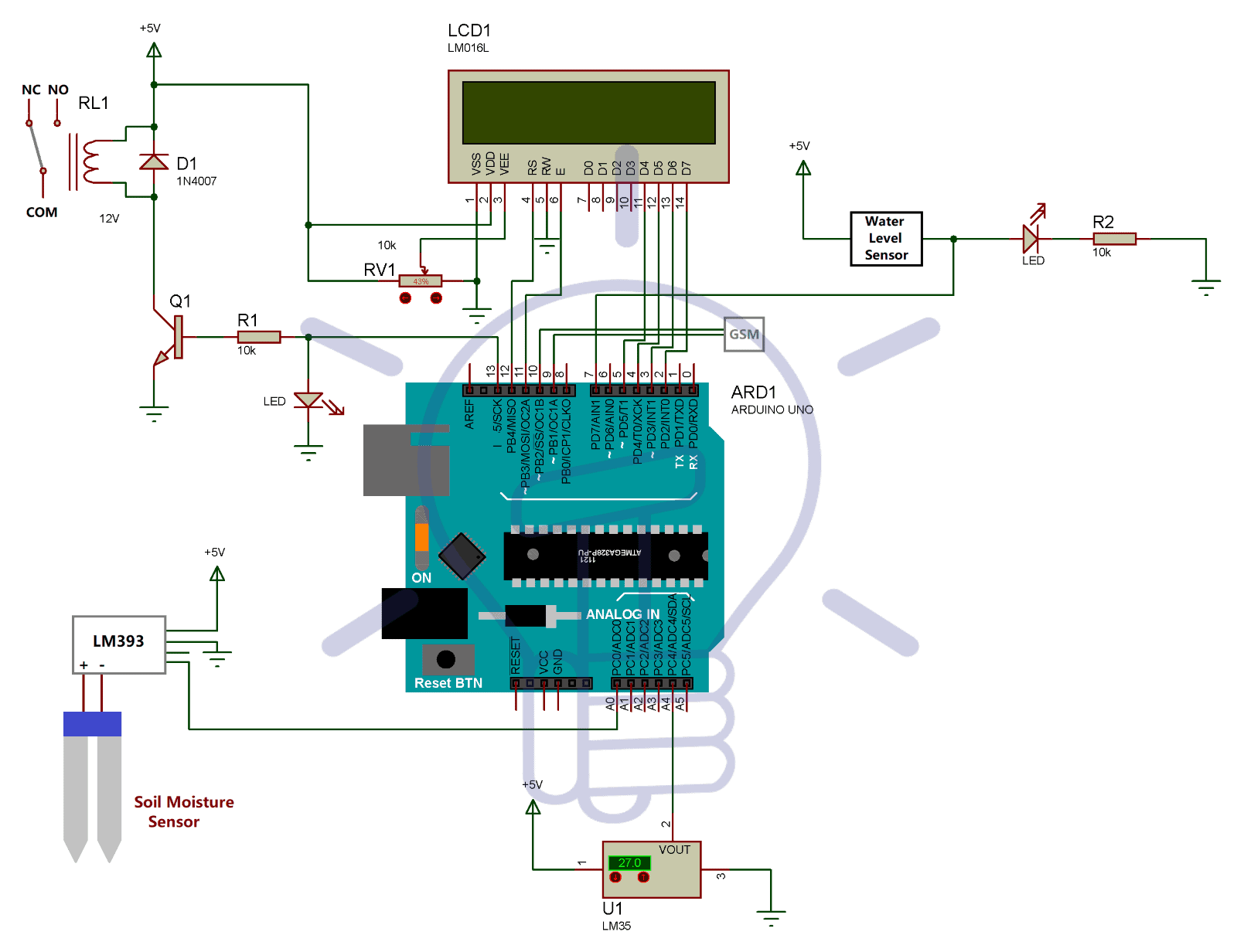
Smart irrigation systems typically include inductive loads such as solenoid valves or water pumps, whose inrush current at startup is often 3–5 times the rated current. Many customers design the power supply based only on steady-state current, leading to frequent field resets or burned MOSFETs.
We recommend:
Select MOSFETs rated at least twice the load's rated current and include a flyback diode.
Add TVS diodes and varistors at the power input to protect against lightning-induced surges or voltage spikes generated by motor start/stop.
Consider low-power design for battery-powered scenarios: For solar-powered or battery-operated systems, the MCU and wireless modules must support sleep mode, with sleep current controlled at the microampere level.
3. Connector Reliability Cannot Be Overlooked
Sensors (soil moisture sensors, flow sensors) and actuators (solenoid valves) in irrigation systems are typically connected to the main control PCBA via wires and connectors. If connectors are poorly chosen, even the most stable PCBA will fail.
Based on practical experience:
Avoid household-grade connectors like XH2.54; opt for at least VH series with locking mechanisms or waterproof aviation plugs.
Enlarge solder pads and add teardrops: Connectors are subject to frequent insertion and removal stresses, which can cause ordinary pads to detach.
Reserve EMC filtering circuits for sensor interfaces: For long-wire transmissions, sensor signals are prone to coupled interference; adding a small capacitor and resistor can significantly improve performance.
 Conclusion
A good PCBA for a smart irrigation system is not about having as many functions as possible, but about working reliably even in harsh environments. Waterproofing, power supply, connectors—solidify these three aspects, and your product's failure rate can be reduced by at least 50%.
If you are developing a smart irrigation product, feel free to reach out. Our factory has many years of experience in PCBA prototyping and small-batch production, especially with mature process solutions for outdoor, high-humidity, and battery-powered boards.
Shenzhen Kingsheng Technology Co., Ltd. has rich experience and a professional technical team in PCBA.
Contact KingshengPCBA today to request a quote or discuss your PCBA project.
 +86 13828766801
 kspcba@c-alley.com
 https://www.kingshengpcba.com/
 2/F, Building 6, Tangtou 3rd Industrial Zone, Tangtou Community, Shiyan Town, Baoan District, Shenzhen, China, 518108