Lead-Free Soldering Temperature Challenges for High-end Audio Equipment Manufacturing
In the high-end audio equipment manufacturing industry, a silent technological revolution is underway. With the advancement of global environmental regulations, traditional tin-lead solder is being replaced by lead-free solder. However, this transition brings severe challenges: the typical temperature of lead-free soldering is 30-40°C higher than traditional processes (reaching 245-260°C), and critical components commonly found in audio components,
such as electrolytic capacitors, precision operational amplifiers, and thin-film resistors, are extremely sensitive to thermal damage. Studies show that for every 10°C increase in temperature, the lifespan of electrolytic capacitors can be reduced by half; some JFET input stage operational amplifiers exposed to 250°C for more than 5 seconds experience irreversible degradation of critical parameters. How to protect the performance and lifespan of these components in high-temperature processes has become a crucial technical hurdle that the audio manufacturing industry must overcome.
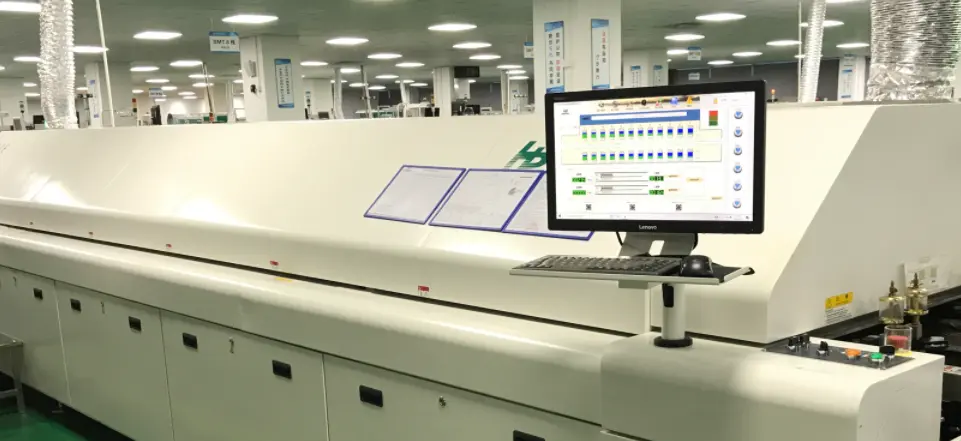 Precise Thermal Management: From wide-area high-temperature ablation to local targeted temperature control
The traditional welding thermal control adopts a method of overall large-scale heating, while lead-free welding requires highly precise and locally controllable thermal management.
First, zoned temperature-controlled reflow soldering technology has become the core solution. Through precise control of 8-10 independent temperature zones, the preheating zone heats up slowly (1.5-2°C/second), ensuring uniform heating of components; while precisely controlling the "time-temperature curve" (T-t curve) in the peak temperature zone ensures that solder joints meet requirements while the component body temperature is limited within a safe threshold. For example, for heat-sensitive film resistors, by adjusting their layout on the PCB, moving them away from high-heat-density pads, and combining this with a bottom heat dissipation pad design, the component body temperature can be reduced by 8-12°C.
Second, Selective welding technology enables key components to remain unaffected during the welding process. For the most sensitive components, such as polypropylene film capacitors or low-noise bipolar transistors, a "solder-before-install" strategy can be adopted: using a high thermal conductivity fixture to cover these components, exposing only the pads requiring soldering, or directly using manual soldering for localized touch-ups. A German high-end audio manufacturer, after adopting this method, reduced the heat exposure time of sensitive components from the conventional 60 seconds to less than 8 seconds, and reduced parameter drift by 70%.
Materials Science: Building a "Thermal Buffer Layer" Between Solder and Components
Materials innovation provides a second line of defense. Low-temperature lead-free solder alloys are rapidly developing; for example, Sn-Bi series alloys (melting point 138-170°C) have been successfully applied in some audio internal connections where mechanical strength requirements are not high, directly reducing the process temperature by more than 60°C. However, their insufficient ductility has been improved by adding trace amounts of elements such as Ag and Cu, making them more suitable for audio equipment in vibration environments.
Even more cutting-edge is dedicated packaging technology for thermistors. Manufacturers are beginning to add "thermal protection layers" to components before they leave the factory, such as adding ceramic-based thermal pads to the bottom of electrolytic capacitors or re-encapsulating thin-film resistors with high-temperature resistant polymers. These small changes can extend the time components can withstand 260°C environments by 3-5 times.
Process Monitoring: Establish a complete temperature data record for each component
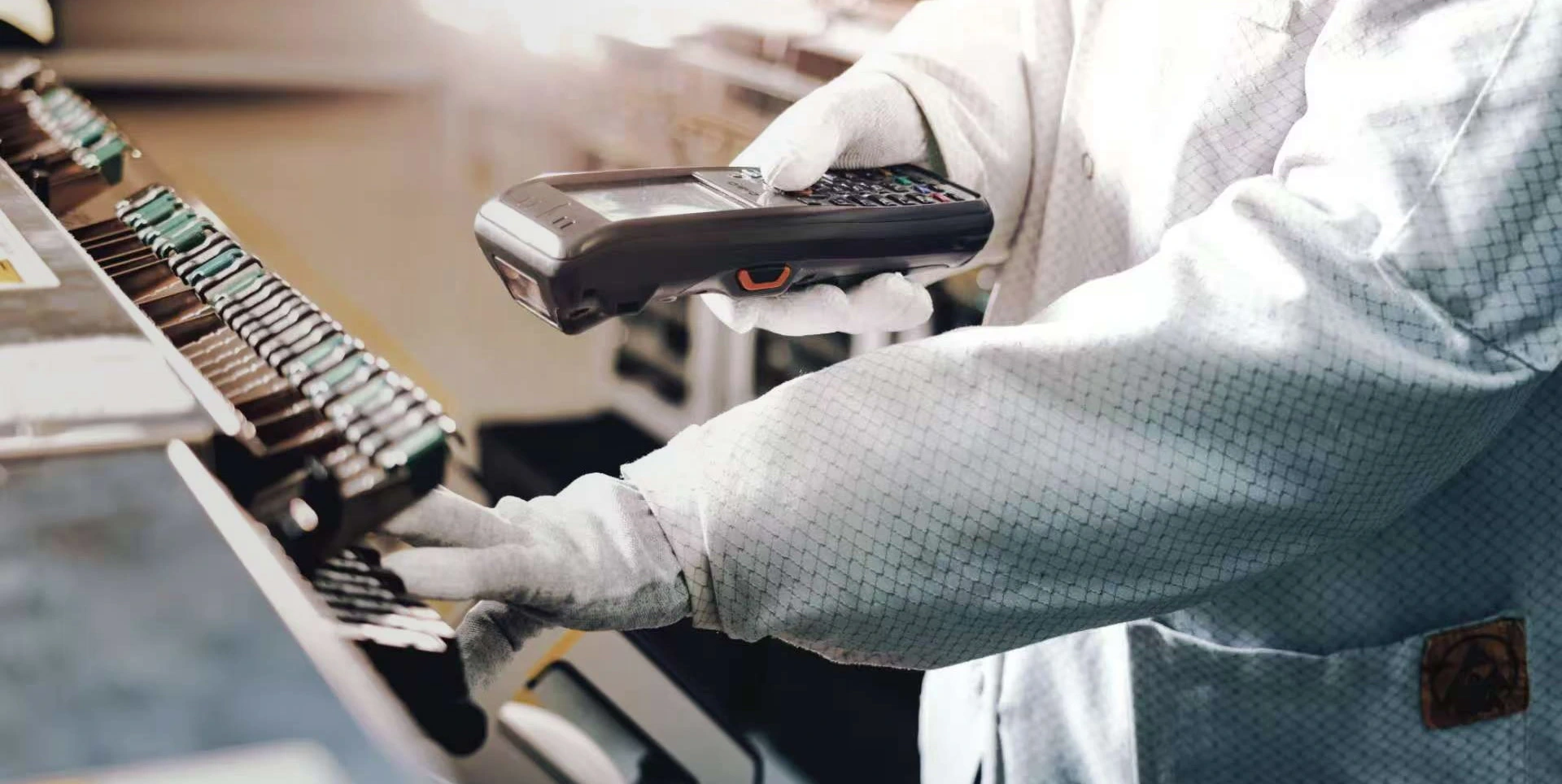
Advanced thermal monitoring technology can obtain real-time temperature data for each component. The infrared thermal imaging and thermocouple real-time feedback system is integrated into the production line. It is no longer a random inspection but a full-process temperature monitoring of key points for each audio board card. The data is not only used for immediate process adjustments, but also forms a complete temperature history record for each component, providing a basis for subsequent quality traceability and life prediction. Machine learning algorithms analyze these data, which can automatically optimize the parameters of each temperature zone and dynamically compensate for environmental fluctuations, increasing the temperature control accuracy from ±5°C to ±1.5°C.
 System-level Design: Mitigating Thermal Risks at the Source
The ultimate solution begins at the design stage. Thermal compatibility design specifications require hardware engineers to incorporate soldering thermal management into their core considerations during the layout phase: predicting heat distribution through simulation software to avoid surrounding multiple high-heat-dissipation chips around a single film capacitor; optimizing pad and trace design to reduce localized overheating caused by differences in heat capacity; and even designing pads with poor solderability for particularly fragile components, forcing them to be manually soldered after the main reflow soldering process.
The high-heat challenges brought by lead-free soldering are not a regression for the audio manufacturing industry, but rather a historic opportunity to propel it towards higher precision and greater intelligence. Through multidisciplinary solutions, we not only protect the delicate components that give sound its soul, but also build a solid bridge between environmental protection and ultimate sound quality. The superior performance of future top-tier audio equipment will not only be etched into its circuit design, but also embodied in this millisecond-level thermal management art.
Shenzhen Kingsheng Technology Co., Ltd. has rich experience and a professional technical team in PCBA.
Contact KingshengPCBA today to request a quote or discuss your PCBA project.
 +86 13828766801
 kspcba@c-alley.com
 https://www.kingshengpcba.com/
 2/F, Building 6, Tangtou 3rd Industrial Zone, Tangtou Community, Shiyan Town, Baoan District, Shenzhen, China, 518108