Design Challenges for High-Frequency Signal and Power Integrity in Railway Environments
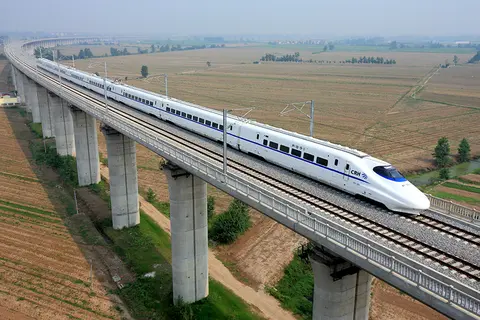
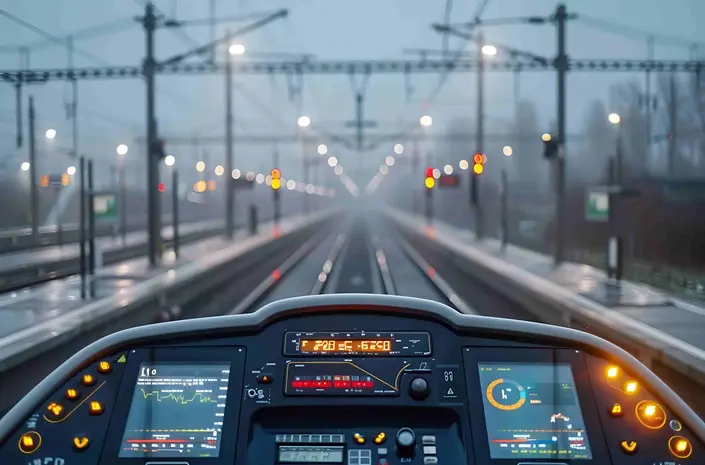
In railway environments, PCB (Printed Circuit Board) design faces a series of unique and severe challenges, particularly in high-frequency signal transmission and power integrity. These challenges stem from the specific characteristics of railway applications—including high vibration, wide temperature variations, strong electromagnetic interference (EMI), and high reliability and safety requirements.
Key Design Challenges
1. High-Frequency Signal Integrity in Extreme Environments
- Vibration and Shock: Continuous vibration in railway environments can cause connector loosening and solder joint fatigue, altering the transmission characteristics of high-frequency signals. Reinforced connections, strain relief, and mechanical fastening measures must be incorporated into the design.
- Temperature Fluctuations: Temperature variations affect the dielectric constant, altering signal propagation speed and causing timing shifts. Selecting materials with low coefficient of thermal expansion (CTE) and substrates with high temperature stability (such as FR-4 high-temperature type or polyimide) is crucial.
- Signal Attenuation and Distortion: High-frequency signals are susceptible to attenuation over long distances. Reflections and crosstalk must be reduced through impedance matching (such as 50Ω or 75Ω standards), the use of differential signal pairs (such as LVDS), and optimized wiring topology.
 2. Complex Power Integrity (PI) Requirements
- High Power and Transient Loads: Railway electronic systems (such as traction control and braking systems) often involve high-power switching, resulting in transient current spikes in the power network. This requires PCB designs with low-impedance power distribution networks (PDNs), implemented through dedicated power and ground planes in multilayer boards.
- Noise Suppression: Motors, inverters, and wireless devices in trains generate strong electromagnetic interference that can couple into power lines. The use of decoupling capacitors (such as combinations of high-frequency ceramic and electrolytic capacitors), ferrite beads, and shielding techniques is crucial.
- Voltage Stability: Power supply voltage fluctuations can affect sensitive devices (such as FPGAs and processors). Voltage regulator modules (VRMs) and local filtering are required, along with optimization of capacitor placement using simulation tools (such as SI/PI analysis).
3. Stringent Electromagnetic Compatibility (EMC) Standards
Railway equipment must comply with EMC standards such as EN 50121 to ensure it does not interfere with other systems and is itself resistant to interference. This involves:
- Layered Stack-up Design: Use at least 4 layers to tightly couple power and ground planes to provide return paths.
- Segmentation and Isolation: Physically separate digital, analog, and power areas to prevent noise propagation.
- Shielding and Grounding: Employ metal enclosures, shielding, and multi-point grounding strategies.
 Conclusion
PCB design in a railway environment is a systems engineering project that requires a balance between signal integrity, power integrity, and reliability. By employing robust materials, scientific layer planning, meticulous wiring strategies, and comprehensive simulation verification, designers can overcome multiple challenges such as high-frequency signal attenuation, power supply noise, and electromagnetic interference, ultimately achieving electronic systems that meet stringent railway standards. As trains evolve towards intelligence and high speed, these design principles will become increasingly important, laying the technological foundation for safe and efficient railway operations
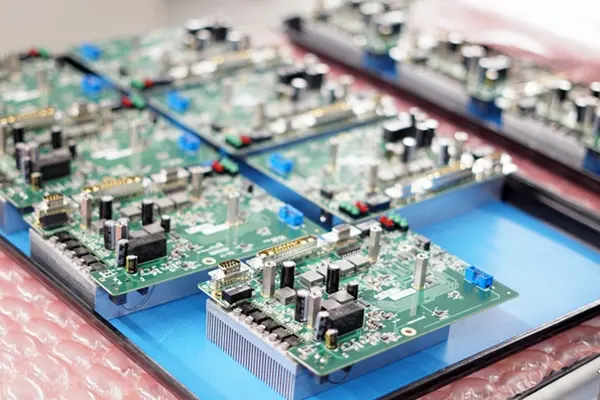
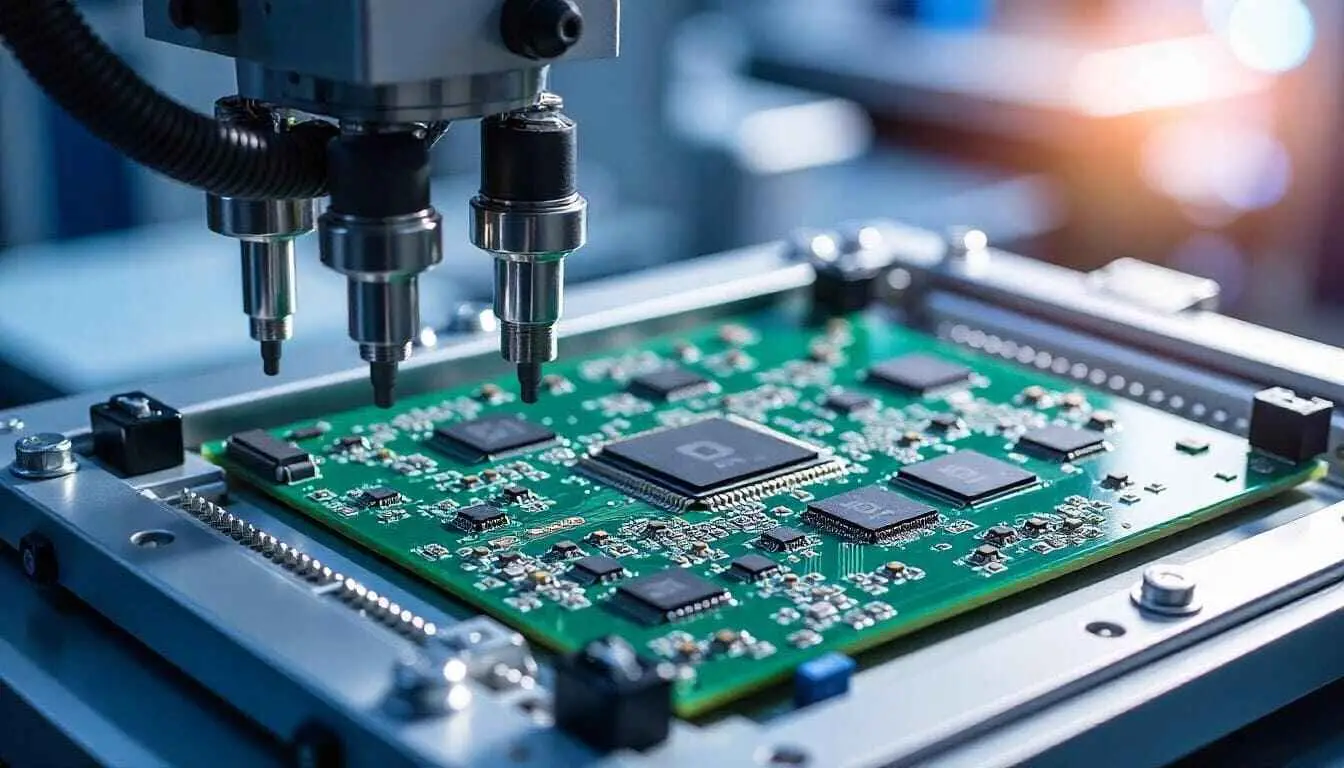
Shenzhen Kingsheng Technology Co., Ltd. has rich experience and a professional technical team in PCBA.
Contact KingshengPCBA today to request a quote or discuss your PCBA project.
 +86 13828766801
 kspcba@c-alley.com
 https://www.kingshengpcba.com/
 2/F, Building 6, Tangtou 3rd Industrial Zone, Tangtou Community, Shiyan Town, Baoan District, Shenzhen, China, 518108