In the quiet corridors of hospital wards and the cosy rooms of care homes, nurse call systems serve as the vital link connecting patients to medical staff. The PCBA (Printed Circuit Board Assembly), functioning as the core control unit of these systems, directly determines the transmission speed of call signals, response accuracy, and long-term stability. Unlike standard consumer electronics, nurse call systems must adapt to multi-storey hospital layouts, complex electromagnetic environments, and round-the-clock operational demands. Their PCB specifications must adhere to medical-grade safety standards as a baseline, while also ensuring signal immunity to interference, environmental adaptability, and full traceability throughout the production process. Each parameter directly impacts the responsiveness of medical services and patient safety.
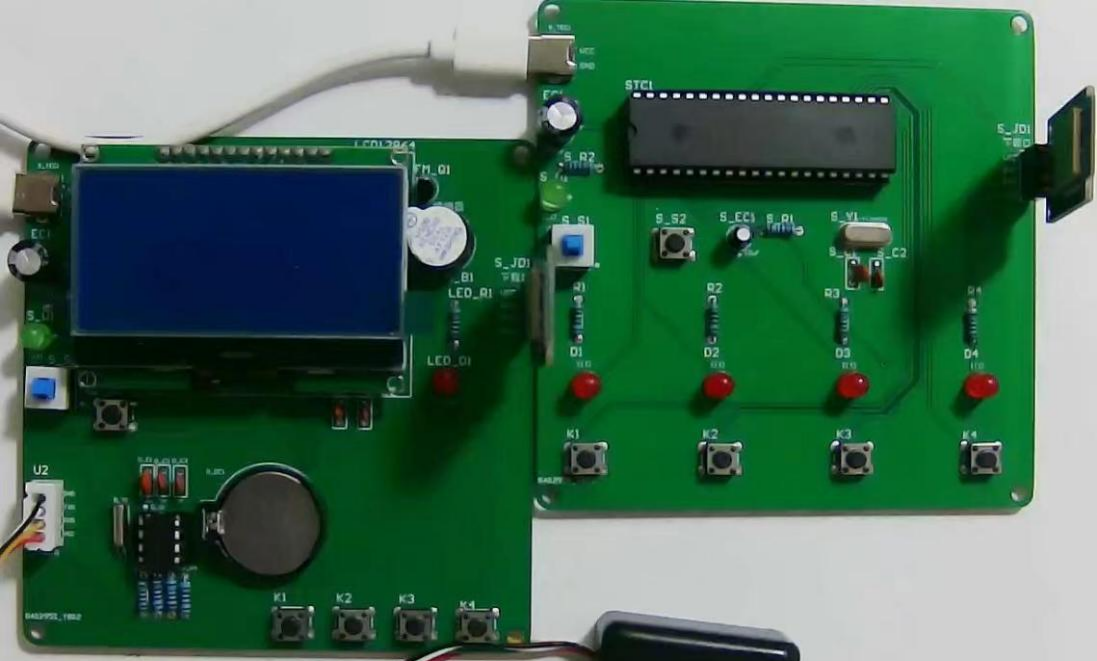
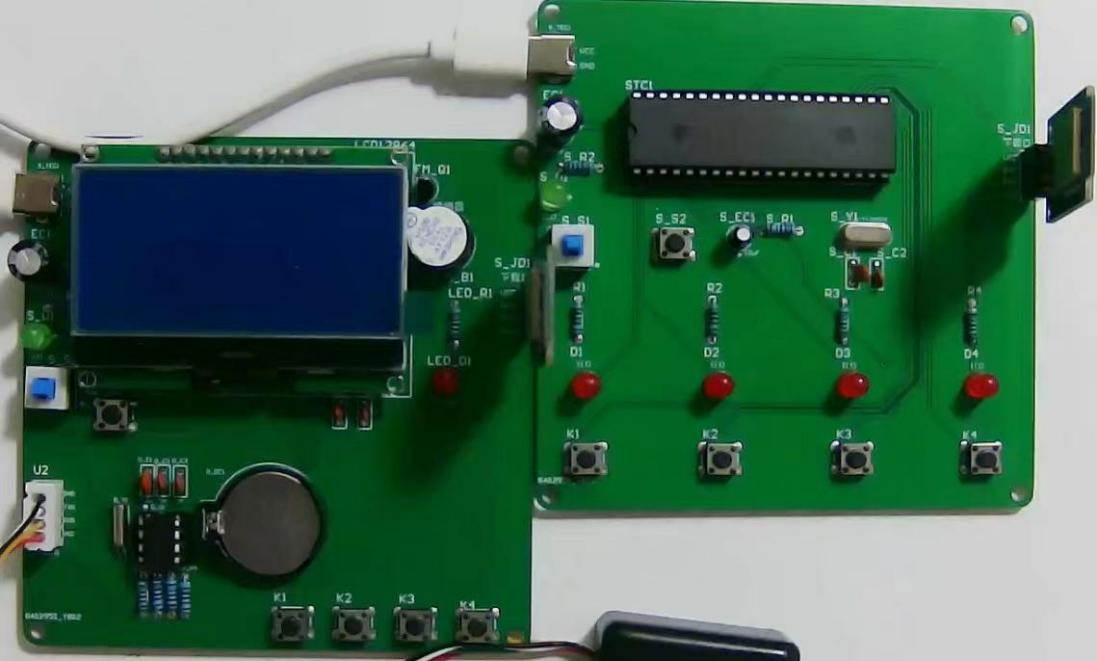 Nurse Call System PCB Core Specification Standards: Technical Support for Medical-Grade Responsiveness
Nurse call system PCBs must simultaneously fulfil three core requirements: signal transmission without delay, fault-free operation, and robust environmental adaptability. Specification design encompasses critical dimensions including material selection, structural parameters, and manufacturing standards, whilst strictly adhering to mandatory requirements within the medical electronics industry:
Base Materials and Physical Specifications
• Base Material Selection: Prioritise halogen-free FR-4 substrates with high Tg (≥150°C), dielectric constant ε_r = 4.2 ± 0.2, dielectric loss tangent tanδ ≤ 0.01, and moisture absorption rate < 0.1% to prevent delamination failure in humid environments; Core control modules may employ hybrid lamination of FR-4 with low-loss substrates to balance signal stability and cost control. All materials must comply with RoHS and REACH environmental certifications.
• Layer count and thickness: Compact bedside call terminals (slave units) employ 2-4 layer boards, 1.0-1.2mm thick, to meet lightweight installation requirements; nursing station hosts (incorporating display and alarm modules) utilise 4-6 layer boards, 1.6mm thick, with multi-layer grounding design to enhance interference resistance; Multi-storey expansion system core boards utilise 6-layer HDI boards, 1.6-2.0mm thick, supporting additional interface expansions.
•
Copper Thickness and Surface Treatment: Standard signal layer copper thickness is 1oz (35μm), while power circuits and RS485 communication lines use ≥1.5oz (52.5μm) copper to reduce line loss; Surface finishes prioritise electroless gold (gold thickness 0.5-1.0μm/nickel 3-6μm) or electroless nickel-palladium-gold, ensuring stable high-frequency signal transmission and key contact wear resistance.
Nickel-containing hazardous processes are prohibited.
Precision Manufacturing and Process Specifications
• Routing and Hole Specifications: Minimum line width/spacing ≥6/6 mil (0.15/0.15 mm), power lines ≥10 mil to mitigate thermal risks; minimum mechanical hole diameter ≥0.2 mm, blind/buried vias minimum diameter 0.15 mm, BGA pad minimum pitch 0.3 mm, compatible with core chip packages including STM32 and AT89C51.
• Solder Mask and Protection: Utilises halogen-free solder mask primarily in green or white, with a mask thickness of 10-30μm ensuring clear, abrasion-resistant markings. All PCBs require conformal coating (acrylic or polyurethane-based) achieving IP54 protection rating, providing moisture, corrosion, and mould resistance suitable for hospital environments.
• Cleanliness requirements: Production environment must meet ISO Class 7 cleanliness standards. Utilise halogen-free flux and low-residue cleaning processes. Surface ionic contamination ≤ 1.56 μg/cm² (NaCl equivalent). Particle residue ≥ 5 μm in diameter ≤ 50 particles/cm² to prevent short-circuit failures caused by contaminants.
Electrical and Reliability Specifications
• Impedance Control: RS485 communication line impedance 120Ω ±5%, wireless transmission module (e.g. nRF401 chip circuit) impedance 50Ω ±5%. Signal transmission distance ≥1200 metres at 9600bps baud rate, ensuring multi-storey signal integrity without distortion.
•
Environmental Adaptability: Withstands -40°C to 85°C wide-temperature cycling tests (100 cycles without failure), passes 20-2000Hz sinusoidal vibration testing (10G acceleration), and maintains surface insulation resistance ≥100MΩ after high-temperature/humidity testing (85°C/85%RH, 96 hours). ESD immunity ≥ ±15kV (air discharge) to withstand electromagnetic interference from hospital equipment.
•
Safety and Redundancy Design: Power circuits incorporate 1A self-resetting fuses with overvoltage and overcurrent protection. Core signal lines employ redundant cabling with a breakage rate <0.01%. The emergency call channel features independent design with a response delay ≤10ms, ensuring rapid feedback in critical situations.
Technological Trends: Specification Upgrades Empower Intelligent Healthcare Call Systems
With the advancement of smart healthcare, the specifications of nurse call system PCBA are evolving towards ‘intelligence, integration, and high reliability’. Regarding integration, PCBs progressively incorporate Bluetooth and WiFi modules, enabling seamless linkage with healthcare professionals' smart wristbands for precise call notification delivery. For reliability enhancement, vacuum soldering and X-ray full inspection processes are adopted, reducing solder joint bubble rates below 5% to further mitigate failure risks. In terms of intelligent design, PCBs feature reserved AI algorithm interfaces capable of analysing patient demand patterns through call frequency and duration, thereby providing data-driven support for healthcare resource allocation.
Concurrently, environmental sustainability and minimalist design have become key priorities. Halogen-free, low-power processes are now universally adopted, while flexible PCBs increasingly feature in compact terminals. This approach accommodates complex installation scenarios while reducing energy consumption. Looking ahead, collaborative customisation of PCBs with chips and sensors will become mainstream. Through integrated optimisation of materials, processes, and design, this approach will deliver a medical call experience characterised by ‘faster response, lower power consumption, and higher reliability’.
The specification standards for nurse call system PCBA form the technical bedrock of the medical response chain. From micron-level routing precision to reliability validation under extreme conditions, the optimisation of each parameter narrows the distance between patients and healthcare professionals. Amidst the wave of smart healthcare, stringent PCB specifications will continue to empower call system upgrades, infusing medical services with a more efficient and secure electronic core power, safeguarding the timely response to every life-saving call.
Shenzhen Kingsheng Technology Co., Ltd. has rich experience and a professional technical team in PCBA.
Contact KingshengPCBA today to request a quote or discuss your PCBA project.
 +86 13828766801
 kspcba@c-alley.com
 https://www.kingshengpcba.com/
 2/F, Building 6, Tangtou 3rd Industrial Zone, Tangtou Community, Shiyan Town, Baoan District, Shenzhen, China, 518108