Moisture-Resistant PCB Design for Automotive Engine Control Units
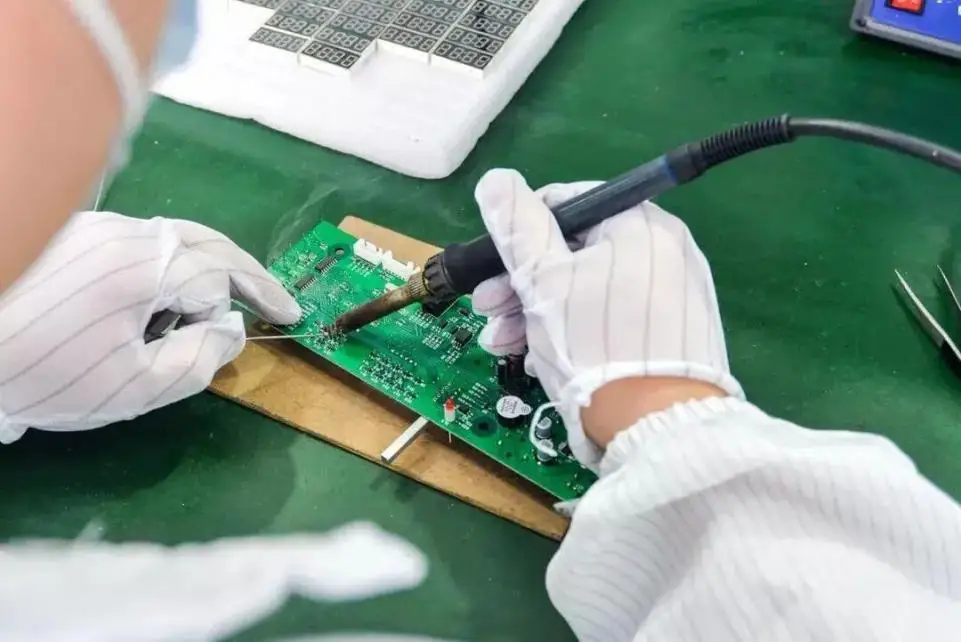
The engine control unit is the brain of a vehicle's powertrain system, responsible for managing fuel injection, ignition timing, and emissions control. This critical PCB operates in one of the most challenging environments in automotive electronics—mounted directly on or near the engine block, where it faces extreme temperature fluctuations, high humidity, and potential exposure to engine fluids.
Moisture Protection Design Features:
Conformal Coating Application
The ECU PCB is fully coated with a polyurethane or acrylic conformal coating that creates a 25-75μm protective barrier. This coating prevents moisture ingress, protects against condensation during cold starts, and resists automotive fluids like oil, coolant, and brake fluid. The coating is applied using selective coating technology to ensure complete coverage while avoiding sensitive components like connectors and sensors.
Potting for High-Impact Areas
Critical sections of the ECU, including the microcontroller and power management circuits, receive additional protection through potting compounds. These epoxy-based materials provide complete encapsulation, offering superior mechanical protection against vibration and thermal shock while creating an impenetrable moisture barrier.
Moisture-Resistant Materials
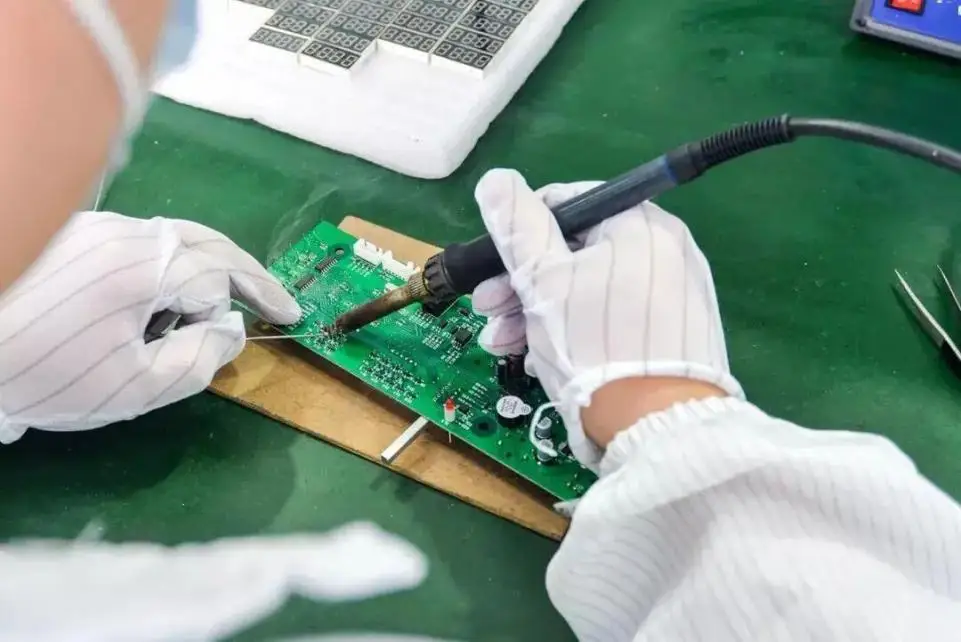
The PCB substrate uses high-Tg FR-4 material (Tg > 170°C) with low moisture absorption properties. Surface finish options include ENIG (Electroless Nickel Immersion Gold) or ENEPIG for superior corrosion resistance in humid environments. All components are rated for automotive-grade temperature ranges (-40°C to +125°C) and undergo preconditioning to eliminate moisture before assembly.
Design for Condensation Management
The ECU housing incorporates breathable membranes that allow pressure equalization while blocking liquid water ingress. Internal desiccant packs absorb residual moisture during the manufacturing process, and the design includes drainage channels to prevent water accumulation around the PCB.
Testing and Validation
Each ECU PCB undergoes 1000+ thermal cycles (-40°C to +125°C) with 85% relative humidity testing to simulate 10 years of vehicle operation. The design must pass IPC-CC-830B standards for conformal coating and IPC-6012DA for automotive-grade PCBs.
This comprehensive moisture protection strategy ensures the ECU maintains reliable performance throughout the vehicle's 10-15 year lifespan, even when exposed to the harshest engine bay conditions.
Shenzhen Kingsheng Technology Co., Ltd. has rich experience and a professional technical team in PCBA. Contact KingshengPCBA today to request a quote or discuss your PCBA project.
Please send Email to kspcba@c-alley.com or call us through +86 13828766801 Or submit your inquiry by online form. Please fill out below form and attach your manufacturing files( PCB Gerber files and BOM List) if need quotation. We will contact you shortly.
 +86 13828766801
 kspcba@c-alley.com
 https://www.kingshengpcba.com/
 2/F, Building 6, Tangtou 3rd Industrial Zone, Tangtou Community, Shiyan Town, Baoan District, Shenzhen, China, 518108
We would also like to thank our customers for their trust and support. The company's outstanding achievements are mainly due to the loyalty of our customers, which also encourages and spurs our company to forge ahead.