Panelization in Smart Thermostat PCBA: Enabling Efficient and Reliable Smart Home Climate Control
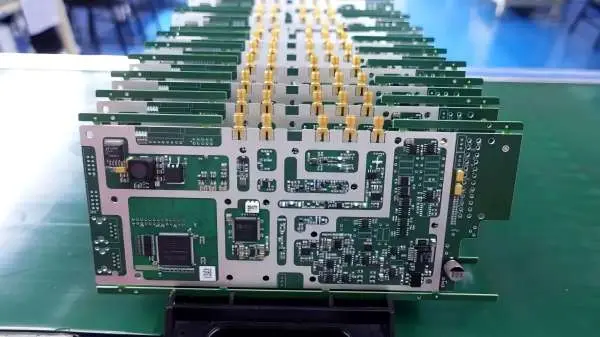
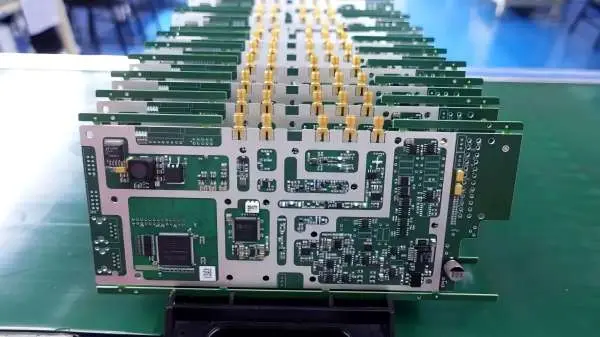
Smart thermostats have revolutionized home energy management, allowing users to remotely control heating and cooling systems via apps, optimize schedules for efficiency, and integrate seamlessly with voice assistants like Alexa or Google Home. At the heart of these intelligent devices is a sophisticated Printed Circuit Board Assembly (PCBA) that handles sensors, wireless connectivity (Wi-Fi/Bluetooth/Zigbee), processors, and display interfaces. To produce these compact, high-volume PCBAs cost-effectively while maintaining quality and reliability, panelization plays a pivotal role in the manufacturing process.
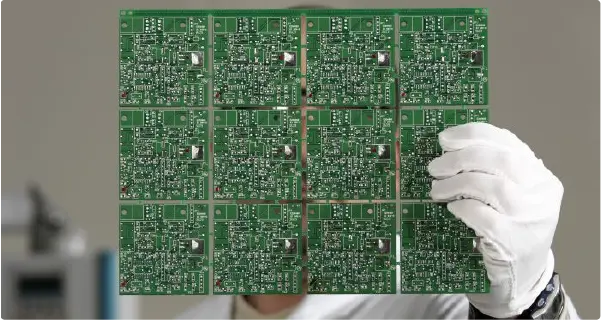
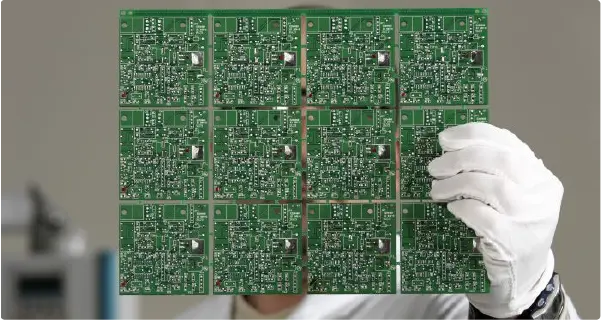
Panelization involves arranging multiple individual thermostat PCBs on a larger substrate panel. This enables simultaneous component placement, soldering, and testing, dramatically improving production throughput and reducing costs—essential for consumer smart home devices sold in millions.
Why Panelization Matters for Smart Thermostats
These devices feature dense layouts with surface-mount components for temperature/humidity sensors, touchscreens, and RF modules. Panelization maximizes material utilization on standard factory panels (e.g., 18x24 inches), minimizing waste and supporting high-density SMT assembly.
After assembly, the panel must be separated (depanelized) without damaging delicate components or solder joints, ensuring the thermostat's long-term reliability in wall-mounted, vibration-prone home environments.
Key Panelization Methods Used in Smart Thermostat Production
1. V-Scoring (V-Notching): The most common method for rectangular thermostat PCBs. V-shaped grooves are precisely cut along panel edges, allowing boards to be snapped apart cleanly and quickly. This low-cost, high-speed technique is ideal for uniform designs, producing smooth edges that fit perfectly into the device's sleek plastic housing.
2. Tab Routing (Breakaway Tabs or Mouse Bites): For thermostats with irregular shapes, protruding antennas, or edge connectors, small perforated tabs connect boards to the panel. These are routed or broken post-assembly, providing extra support during handling and preventing stress on sensitive wireless components.
3. Hybrid Approaches: Many smart thermostat manufacturers combine V-scoring for main arrays with tab routing for fiducials or breakouts, optimizing for both efficiency and component protection.
Benefits for End-User Performance
Proper panelization ensures minimal mechanical stress during depaneling, preserving solder joint integrity for reliable operation over years of use. It also enables tighter tolerances for compact designs, contributing to the thin profiles and energy-efficient performance that make smart thermostats user-friendly and eco-conscious.
In summary, panelization is a behind-the-scenes hero in smart thermostat manufacturing, directly enabling affordable, high-quality PCBAs that deliver precise climate control, energy savings, and seamless smart home integration for millions of households.
Shenzhen Kingsheng Technology Co., Ltd. has rich experience and a professional technical team in PCBA. Contact KingshengPCBA today to request a quote or discuss your PCBA project.
Please send Email to kspcba@c-alley.com or call us through +86 13828766801 Or submit your inquiry by online form. Please fill out below form and attach your manufacturing files( PCB Gerber files and BOM List) if need quotation. We will contact you shortly.
 +86 13828766801
 kspcba@c-alley.com
 https://www.kingshengpcba.com/
 2/F, Building 6, Tangtou 3rd Industrial Zone, Tangtou Community, Shiyan Town, Baoan District, Shenzhen, China, 518108
We would also like to thank our customers for their trust and support. The company's outstanding achievements are mainly due to the loyalty of our customers, which also encourages and spurs our company to forge ahead.