The Role of PCBA in Motion Control Systems: Driving Industrial Automation
In the era of industrial automation, motion control systems play a crucial role in optimizing production processes, and at the heart of these systems is the Printed Circuit Board Assembly (PCBA). Just like the human nervous system controls movement, a PCBA in a motion control system precisely manages every mechanical action in industrial equipment, impacting production accuracy, efficiency, and stability.
1. What is a Motion Control System PCBA?
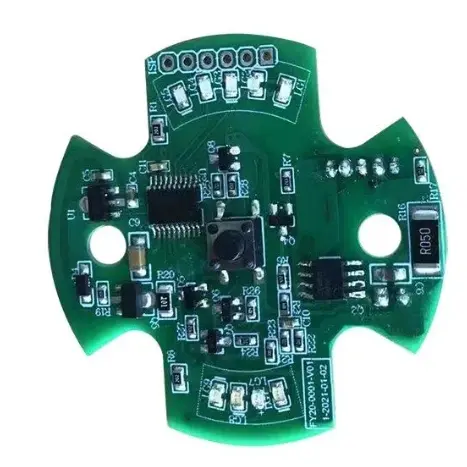
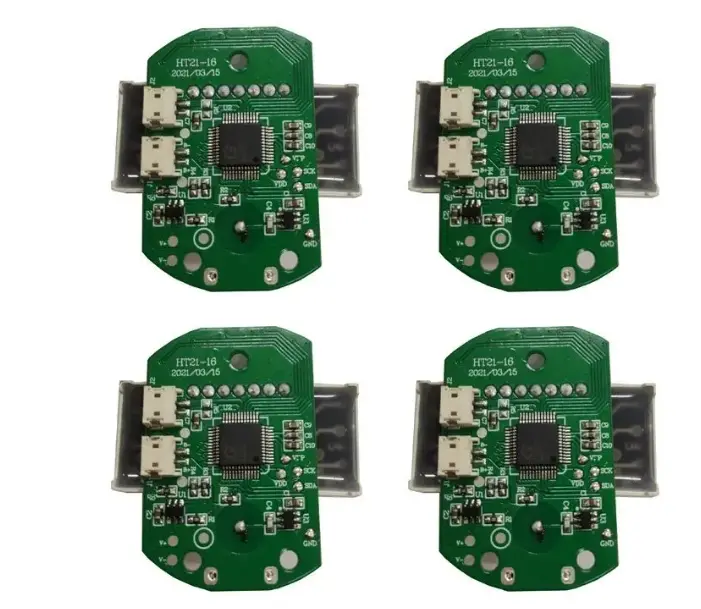
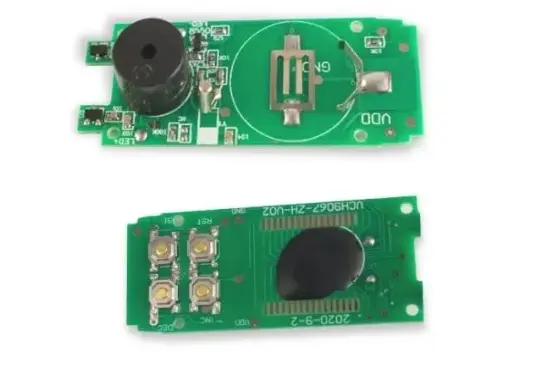
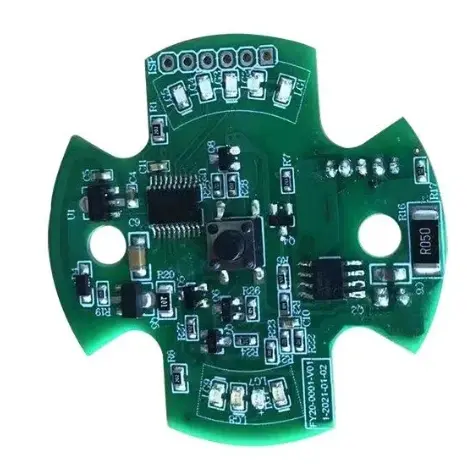
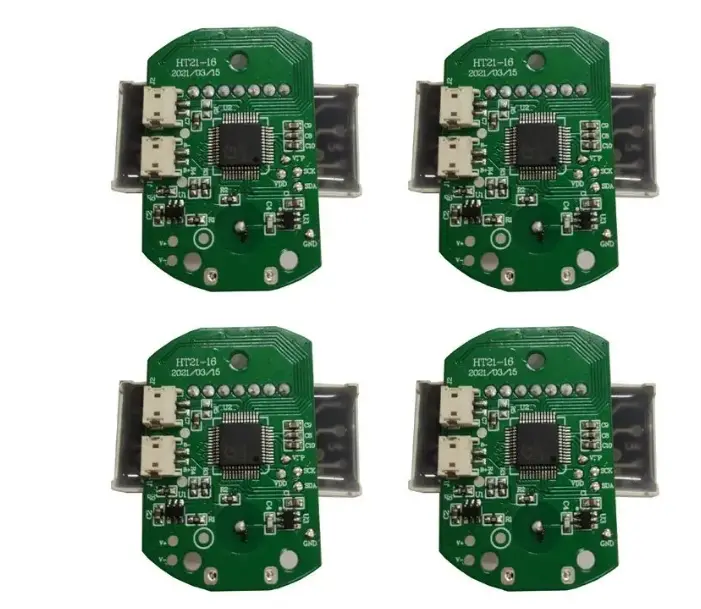
A motion control system PCBA is composed of several integral components, including a processor, memory, communication interfaces, power management module, sensors, and actuator driving circuits. The processor acts as the brain, executing complex algorithms that calculate the movement trajectory, speed, and position of equipment. The memory stores program data, while communication interfaces allow data exchange between the PCBA and higher-level systems. Sensors monitor the system’s operational state, providing feedback to the processor, and the actuator driving circuits control motors and other actuators to execute precise movements.
For example, in industrial robots, the PCBA uses feedback from an encoder to determine joint positions, processes the data, and sends control signals to servos, ensuring the robot performs precise movements.
2. Key Technologies and Performance Metrics
To ensure high-performance motion control, high-precision algorithms such as PID (Proportional-Integral-Derivative) control are used, allowing systems to quickly adjust deviations in real-time. Additionally, high-speed communication protocols like EtherCAT and Profinet ensure timely and accurate data transfer between devices. For more demanding applications, hardware acceleration via DSPs (Digital Signal Processors) or FPGAs (Field-Programmable Gate Arrays) can boost computational power, facilitating faster data processing for complex motions.
Key performance indicators include motion accuracy (the deviation from target positions), response speed (measured in milliseconds), and system stability (ensuring long-term reliability under diverse industrial conditions).
3. Applications and Market Trends
PCBA-based motion control systems are used across industries. In automotive manufacturing, robots rely on motion control PCBA for tasks like welding car bodies with high precision. In logistics and warehousing, Automated Guided Vehicles (AGVs) and sorting systems use PCBA to automate material handling. Medical devices like robotic surgery systems also depend on these PCBA systems for precision movement, improving surgical outcomes.
As industrial automation evolves, the PCBA market is growing rapidly. Advancements include intelligent systems with AI integration, miniaturization to reduce size and cost, and networked systems that allow for remote monitoring and maintenance. The push for sustainability has also led to energy-efficient designs, ensuring lower environmental impact.
At KingshengPCBA, we leverage cutting-edge technology to provide tailored PCBA solutions for diverse industries, from component sourcing to customized PCBA design and manufacturing. If you need PCBA development or production services, feel free to reach out to us.
Please send Email to kspcba@c-alley.com or call us through +86 13828766801 Or submit your inquiry by online form. Please fill out below form and attach your manufacturing files( PCB Gerber files and BOM List) if need quotation. We will contact you shortly.
 +86 13828766801
 kspcba@c-alley.com
 https://www.kingshengpcba.com/
 2/F, Building 6, Tangtou 3rd Industrial Zone, Tangtou Community, Shiyan Town, Baoan District, Shenzhen, China, 518108
We would also like to thank our customers for their trust and support. The company's outstanding achievements are mainly due to the loyalty of our customers, which also encourages and spurs our company to forge ahead.