High-power processing:
The design of new energy PCBs aims to handle high-power levels typically associated with renewable energy systems. This requires selecting suitable materials with high thermal conductivity and low resistance to minimize power loss and heat dissipation.
Enhance durability:
These PCBs can withstand harsh environmental conditions commonly encountered in renewable energy devices, such as extreme temperature, humidity, and exposure to moisture or ultraviolet radiation.
Improve electrical performance
The new energy PCB has been optimized for low resistance, low noise, and high-speed signal transmission, ensuring efficient energy conversion and minimizing power loss to the greatest extent possible.
Design flexibility
New energy PCBs can be customized according to specific system requirements, adapting to complex circuit layouts, multiple layers, and specialized component installations.
High voltage isolation
Some renewable energy applications involve high-voltage circuits. New energy PCBs adopt appropriate insulation and isolation technologies to ensure safe operation and prevent electrical failures.
The increasing demand for reliable and efficient electronic systems in the field of renewable energy has driven the development of new energy PCBs. These specialized PCBs, including those produced by C-alley, play a crucial role in promoting the integration and optimization of various components in renewable energy systems. C-alley has contributed to the overall performance and sustainability of these technologies through its expertise in PCB manufacturing.
C-alley is committed to providing high-quality, advanced manufacturing capabilities and strictly adhering to industry standards to ensure that its new energy PCBs meet specific requirements for renewable energy applications. By partnering with reliable PCB and PCBA manufacturer C-alley, companies in the renewable energy sector can gain the expertise and support needed to develop and produce high-performance PCBs, driving innovation and improving the efficiency of their electronic systems.
Application of PCB in the field of new energy
PCB is an indispensable component in various fields of new energy technology, capable of achieving efficient energy conversion, control, and management. Its design and construction can be customized according to the specific requirements and challenges of each application, thereby enhancing the overall performance and reliability of the new energy system. PCB plays a crucial role in various applications in the field of new energy. Here are some application examples of PCB in new energy technology:
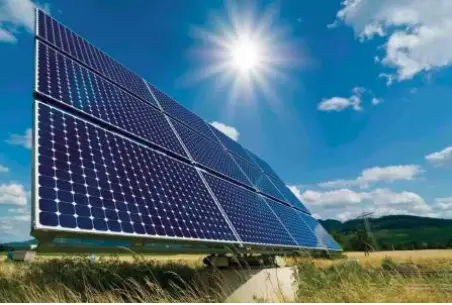
Solar power generation system
PCB is used in solar power generation systems to control and manage current. They are used in solar inverters to convert the direct current (DC) generated by solar panels into alternating current (AC) that can be used in homes and businesses. The PCB in solar inverters helps regulate and optimize power conversion, monitor system performance, and ensure safe operation.
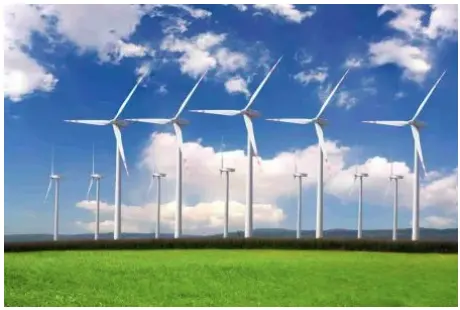
Wind power generation system
PCB is widely used in wind turbines. They are used in the control system of wind turbines to control blade pitch, monitor wind speed and direction, and regulate power generation. PCB is also used in power electronic equipment for wind turbines, including inverter systems that convert the variable frequency AC power generated by the turbine into stable AC power for the grid.
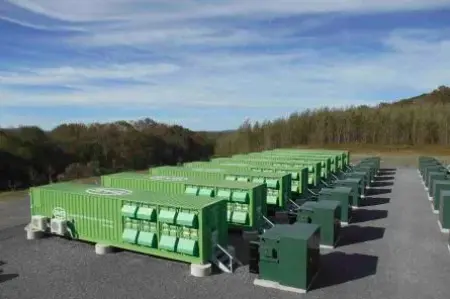
Energy Storage System
PCB is an indispensable part of energy storage systems, such as batteries in renewable energy applications. They are used in battery management systems (BMS) to monitor and control battery charging and discharging, ensure battery voltage balance, and prevent overcharging or overdischarging. PCB can ensure the efficient and safe operation of energy storage systems, thereby improving their performance and service life.
Common PCB types in new energy systems
Control PCB: Used to control and monitor the operation of new energy systems. These PCBs typically integrate microcontrollers, sensors, actuators, and communication interfaces to achieve automation control and monitoring functions.
Power PCB: Used for power management and distribution. These PCBs are responsible for converting electrical energy into appropriate voltage and current to meet the requirements of components and subsystems in new energy systems.
Inverter PCB: Used to convert DC energy (such as solar panels or batteries) into AC energy for supply to AC motors, power grids, or other AC devices.
Charging control PCB: used for charging management of electric vehicles, hybrid vehicles, and energy storage systems. These PCBs control and monitor the charging process to ensure safe and efficient charging.
It is worth noting that different types of new energy systems may require different PCB configurations and designs. The specific PCB type and function will vary depending on the specific requirements and application areas of the system. Therefore, when designing and selecting PCBs, they should be customized and optimized according to the specific needs of new energy applications.
If you want to know more about new energy PCBs . Contact us today to discuss your project’s BOM and specifications!
Welcome to contact KingshengPCBA today to request a quote or discuss your PCB Assembly project.
Please send Email to kspcba@c-alley.com or call us through +86 13828766801 Or submit your inquiry by online form. Please fill out below form and attach your manufacturing files( PCB Gerber files and BOM List) if need quotation. We will contact you shortly.
 +86 13828766801
 kspcba@c-alley.com
 https://www.kingshengpcba.com/
 2/F, Building 6, Tangtou 3rd Industrial Zone, Tangtou Community, Shiyan Town, Baoan District, Shenzhen, China, 518108
We would also like to thank our customers for their trust and support. The company's outstanding achievements are mainly due to the loyalty of our customers, which also encourages and spurs our company to forge ahead.