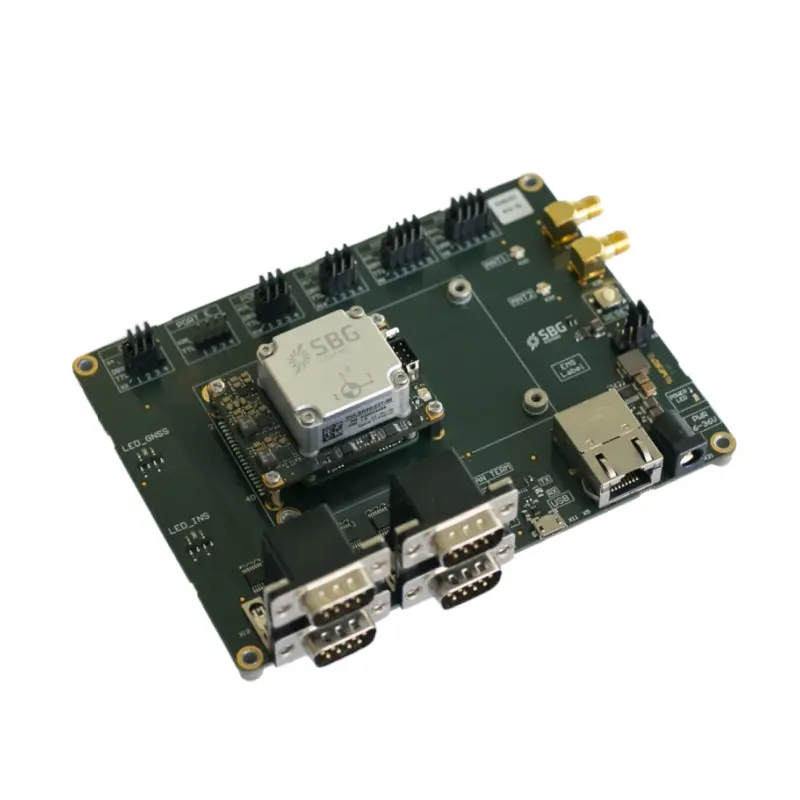
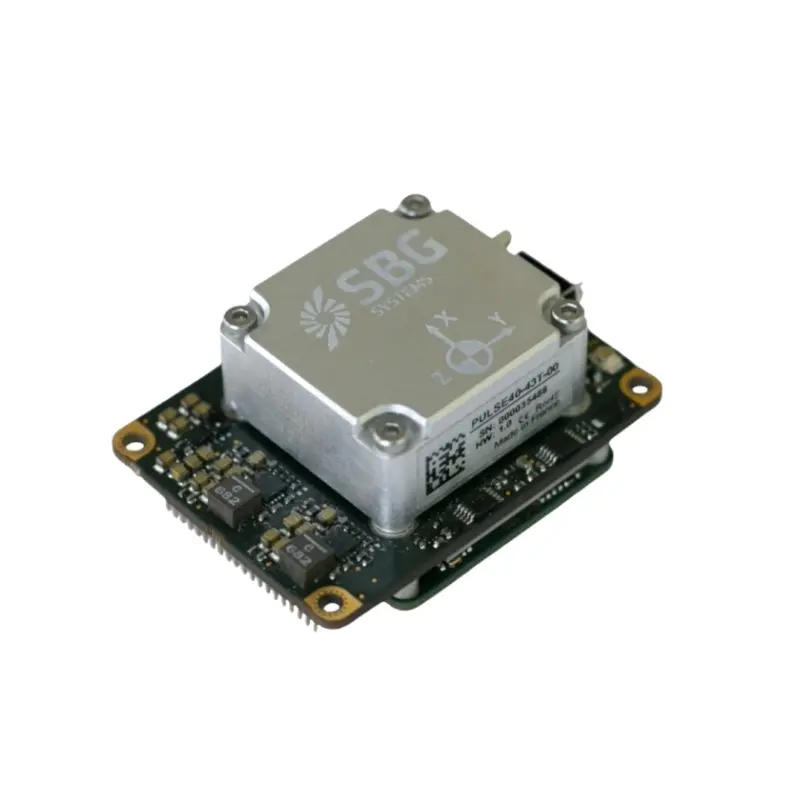
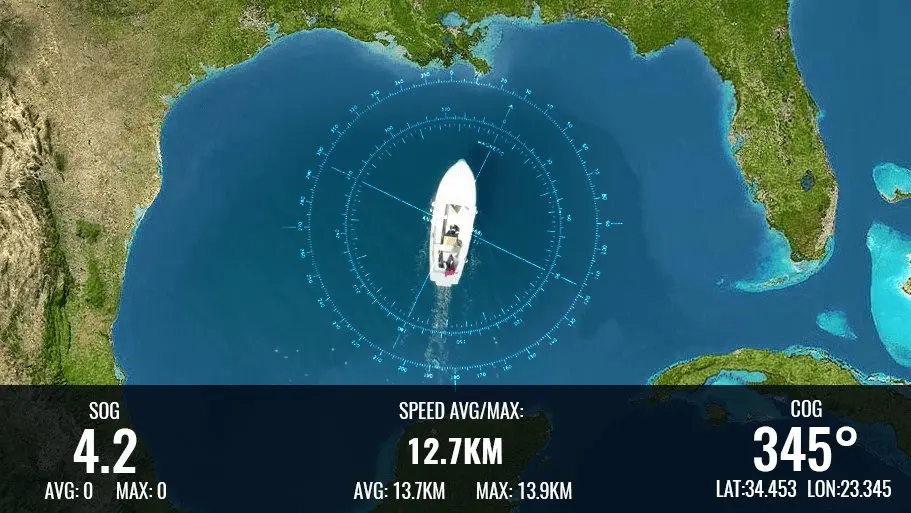
How do PCBA manufacturers systematically establish robust reliability for navigation systems in the challenging offshore environment?
We fully understand the stringent reliability requirements for marine navigation systems—extreme environments such as high salt spray, high humidity, vibration, shock, and long-term continuous operation pose significant challenges to the durability of PCBAs. The following are the comprehensive high-reliability assurance measures we have implemented for PCB assembly in marine navigation systems:
I. Supply Chain and Traceability Management
Component Reliability Control
Establish a qualified supplier list in conjunction with the customer, prioritizing automotive-grade (AEC-Q100) or industrial-grade components.
Full-Process Traceability System
Record the process parameters, material batch numbers, and testing data of each PCB through a barcode/MES system to achieve lifetime traceability.
II. Stringent Process Control System
Specialized Control of Soldering Processes
1. Soldering Paste Selection: Employ high-strength, thermal fatigue-resistant SnAgCu (SAC305) or lead-free high-reliability alloys, adjusting alloy ratios to suit vibration-prone environments.
2. Printing Accuracy: Monitor thickness and area via Solder Paste Inspection (SPI) to ensure consistent solder joints.
3. Reflow Profile Optimization: Customize temperature profiles for mixed components (e.g., BGA, QFN, high thermal mass components) to minimize cold solder joints and control thermal stress.
Application of Specialized Processes
1. Underfill: Apply underfill to devices such as BGAs and CSPs to enhance resistance to mechanical shock.
2. Conformal Coating: Utilize acrylic, polyurethane, or silicone-based coatings, applying them via automated spraying to ensure uniform coverage, meeting the IPC-CC-830B standard for moisture, salt spray, and mold resistance.
3. Selective Protection with Conformal Coating: Focus on protecting high-frequency and high-voltage areas.
III. Full-Process Quality and Reliability Verification
Comprehensive Automated Testing
1. AOI (Automated Optical Inspection): Detects solder joint defects and component misalignment.
2. X-Ray Inspection: Performs 3D tomography on hidden solder joints such as BGAs and QFNs to analyze void ratio (≤15%).
3. Flying Probe/Bed-of-Nails Testing: 100% electrical testing to ensure signal integrity.
Reliability Stress Testing
1. Environmental Simulation Testing: Temperature and humidity cycling (-40℃ to +125℃), HAST (Highly Accelerated Stress Test).
2. Mechanical Stress Testing: Random vibration test, mechanical shock (according to MIL-STD-810G or IEC 60068 standards).
3. Salt Spray Testing: Verifies the effectiveness of coating protection (according to ASTM B117 standard).
Summary: Our Core Value
Adhering to IPC-A-610G Class 3 and MIL-STD-883 standards, we ensure that each PCB can operate stably for over ten years in extreme marine environments.
For further customized solutions, we offer sample production and reliability testing and validation. Let us discuss the details at any time.
Welcome to contact KingshengPCBA today to request a quote or discuss your PCB Assembly project.
Please send Email to kspcba@c-alley.com or call us through +86 13828766801 Or submit your inquiry by online form. Please fill out below form and attach your manufacturing files( PCB Gerber files and BOM List) if need quotation. We will contact you shortly.
 +86 13828766801
 kspcba@c-alley.com
 https://www.kingshengpcba.com/
 2/F, Building 6, Tangtou 3rd Industrial Zone, Tangtou Community, Shiyan Town, Baoan District, Shenzhen, China, 518108
We would also like to thank our customers for their trust and support. The company's outstanding achievements are mainly due to the loyalty of our customers, which also encourages and spurs our company to forge ahead.