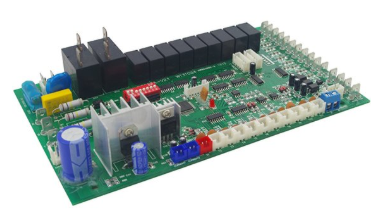
The Influence of SMT Solder Paste Flux Residue in the PCBA Processing of Smart Electricity Meters on the Reliability of Contact IC Card Interfaces
In smart energy meter PCBA processing, flux residue from SMT solder paste is a critical factor affecting the reliability of contact IC card interfaces. Especially under the current production patterns of small batches and multiple models, the interface designs and layouts of different models vary, and the residual situations are inconsistent. Therefore, targeted detection methods are needed to ensure the long-running and stable operation of the meters.
1. Potential Impacts of Flux Residue
Flux can remove oxide layers and improve soldering quality. However, the residue may form an insulating film on the surface of the IC card contact points, increasing the contact resistance and affecting conductivity and signal transmission. During long running operation, the residue is prone to absorbing moisture and dust, causing electrochemical corrosion, leading to oxidation and rust of the contact points, and even causing poor contact or short circuits, which seriously affects the reliability and lifespan of the energy meters.
2. Main Detection Methods
2.1 Visual Inspection
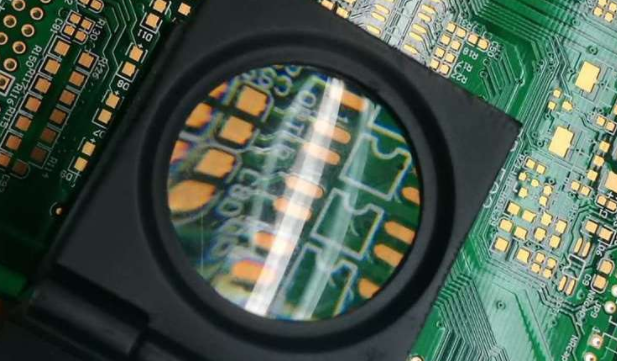
Use a magnifying glass or microscope with a 10-50x magnification to observe the IC card interface area, and check for any white, light yellow, or transparent residues. For different models, pay special attention to the corners, crevices, and other areas prone to accumulation, and record the location and area of the residues.
2.2 Component Analysis
The composition of the residues can be analyzed using infrared spectroscopy (IR) or gas chromatography-mass spectrometry (GC-MS) to identify whether there are harmful substances such as halogens or organic acids. This analysis helps to understand the differences in residue levels of different solder pastes on different machines, providing a basis for process optimization.
2.3 Contact Resistance Test
Use a high-precision resistance tester to measure the metal contact resistance under standard contact pressure. If the resistance value increases significantly, it may be caused by flux residue. In multi-model production, a resistance benchmark should be set for each model to ensure the comparability of the outcomes.
2.4 Insulation Performance Test
Using an insulation resistance tester, a specified voltage (such as 500V DC) is applied between the contact and the grounding layer to check if the insulation resistance meets the standard. A low resistance may indicate that residual substances have caused a decline in insulation performance.
2.5 Environmental Reliability Test
Conduct accelerated aging tests to simulate actual operating conditions, including:
*High temperature and high humidity test (e.g., 85℃/85%RH, 240 hours) to detect whether resistance increases or oxidation occurs;
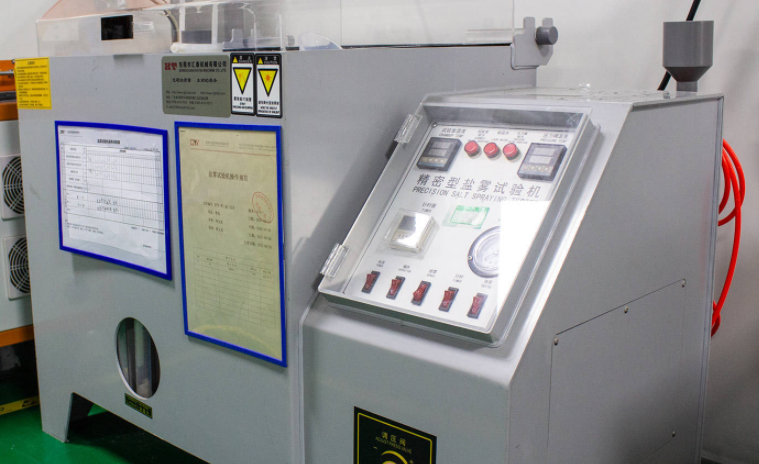
*Salt spray test (e.g., 5% NaCl, 35℃, 48 hours) to assess corrosion risk;
*Vibration test to examine structural stability and contact reliability.
Conclusion
Through the above test, the impact of flux residue on the IC card interface can be comprehensively assessed. Kingsheng eliminates flux residue by selecting high-quality no-clean solder paste, precisely controlling printing and reflow soldering process parameters, and performing strict ionic cleanliness tests after board cleaning. and boosts the overall quality and service life of smart meters.
Please send Email to kspcba@c-alley.com or call us through +86 13828766801 Or submit your inquiry by online form. Please fill out below form and attach your manufacturing files( PCB Gerber files and BOM List) if need quotation. We will contact you shortly.
 +86 13828766801
 kspcba@c-alley.com
 https://www.kingshengpcba.com/
 2/F, Building 6, Tangtou 3rd Industrial Zone, Tangtou Community, Shiyan Town, Baoan District, Shenzhen, China, 518108
We would also like to thank our customers for their trust and support. The company's outstanding achievements are mainly due to the loyalty of our customers, which also encourages and spurs our company to forge ahead.